
Why Walking Is Not Strength Training and What You Need to Know

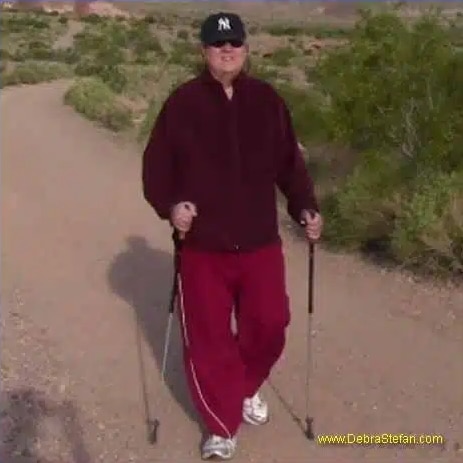
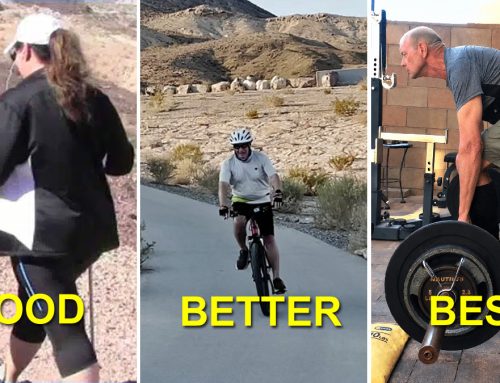
Walking Is Not Strength Training- Man walking with trekking poles
Walking Supports Movement but Has Limits
Walking supports circulation, calorie use, and daily movement. It helps many adults stay active and reduce long periods of sitting. Walking also supports mental clarity and general conditioning.
However, walking has limits. No question about it, walking is not strength training.
The body adapts quickly to repetitive movement. Once adaptation occurs, walking alone provides little stimulus for muscle growth or meaningful strength gain. The body becomes efficient at the task without major increases in force production.
This matters more after 50, 60, and 70.
As muscle decreases with age, strength becomes more important for posture, balance, joint support, and independence. Walking helps movement, but it does not create enough resistance to preserve or build significant muscle mass on its own.
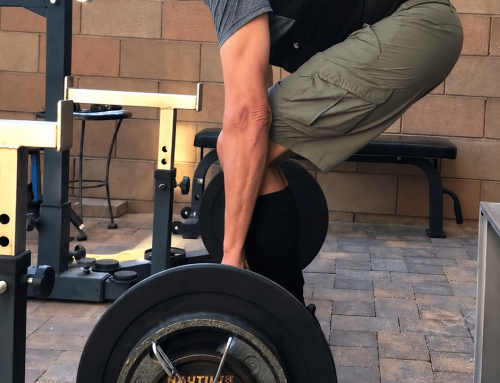
Even walking with a weight vest has limits. Added load can increase demand and calorie use, but it still does not replace progressive resistance training. Strength training requires controlled overload through movements that challenge muscles directly.
Walking supports activity. Strength training builds capacity. To sum it up, walking is not strength training.
Strength Training Builds Muscle and Stability
Strength training builds the physical support system that carries you through daily life.
Muscle supports joints, improves posture, and increases control during movement. Stronger muscles also help stabilize the body during unexpected shifts in balance or uneven ground.
This becomes especially important with age.
Simple tasks such as stairs, lifting groceries, standing from a chair, or recovering from a stumble require strength and force production. Without resistance training, these abilities can decline over time.
Strength training also improves stability. You learn how to apply force with control instead of relying on momentum or compensation.
The goal is not random intensity. The process is assess, then progress at the senior fitness retreat.
You begin with your current ability, then increase challenge gradually through structured progression. This allows strength and confidence to build together.
Why Muscle Matters After 50, 60, and 70
Muscle supports independence.
As muscle decreases with age, daily movement often becomes more difficult. Weakness can affect posture, walking speed, balance, confidence, and overall quality of life.
Many adults focus only on weight loss while ignoring muscle preservation. This creates a serious problem. The number on the scale may decrease while strength and function decline at the same time.
Muscle supports metabolism, protects joints, and improves movement efficiency. It also plays a major role in fall prevention and recovery from physical stress.
For older adults, the goal should not simply focus on body weight. The goal should focus on function, mobility, strength, and long-term independence.
Strength training supports all of these. To be clear, walking is not strength training.
Dynamic Balance is Fall Prevention
Balance means more than standing still on one leg. It’s more functional than that.
True balance training sharpens corrective reflexes to right yourself in case of a misstep, so you react instead of fall.
This changes how the body responds during real-life situations such as uneven sidewalks, missed steps, sudden turns, slippery surfaces, or shifts in direction.
Many adults lose confidence after a fall or near-fall experience. Hesitation increases. Movement becomes cautious and restricted.
Structured balance training restores trust in movement.
Strength, coordination, posture, and reaction speed work together. The body learns how to recover instead of freeze.
This is why dynamic balance training plays such an important role in long-term independence and quality of life. See how senior women gain the strength to get up from the floor—an essential skill for long-term independent living.
Build Power for Strong Bones
Bones respond to load.
Strength training places controlled stress on the body, which supports bone density and structural integrity. This becomes increasingly important with age as bone loss risk increases.
Walking helps weight-bearing activity, but strength training creates a stronger stimulus for bone support because resistance levels increase progressively over time. Walking remains a low effort activity and does not offer the benefits of progressive resistance training. Walking is a linear motor pattern using the same movement repetitively. Therefore, walking is not strength training.
Power matters too.
The ability to produce force quickly helps the body react during unexpected movement. This supports corrective reflexes, stability, and recovery during a misstep. Muscle also protects the skeletal system by improving joint stability and reducing uncontrolled movement.
Strength and power training support much more than appearance. They support resilience.
Mobility Does Not Mean Yoga
Mobility means controlled movement with strength and stability through range.
Many people confuse mobility with passive stretching alone. True mobility requires control. You must move joints through range with strength, balance, and coordination. See 76-year-old Bill performing the dynamic Indian Club drill.
This supports daily function.
Mobility training helps the body:
- move more efficiently
- reduce stiffness
- improve posture
- support balance
- maintain confidence during movement
Mobility also supports strength training by improving positioning and movement quality.
The goal is not extreme flexibility. The goal is useful movement that supports real life.
GLP-1 Weight Loss and Muscle Loss
Rapid weight loss can reduce muscle along with fat.
This becomes a major concern during GLP-1 weight loss when appetite decreases and food intake drops quickly. Without strength training, the body will lose metabolic muscle mass along with body weight.
This can reduce metabolism, weaken posture, and increase frailty risk over time.
Walking alone often fails to provide enough resistance to preserve muscle during rapid weight loss. Strength training becomes essential for maintaining function, stability, and long-term health.
The goal should not focus only on a lower number on the scale. The goal should focus on preserving strength, movement quality, and independence.
Why Accountability Matters
Without structure and accountability, many people lose consistency long before they achieve meaningful long-term results. The process is simple: assess, then progress. Establish a measurable baseline, review progress regularly, and maintain momentum through strength training, mobility work, and balance training that supports long-term function and independence.
Knowledge alone rarely creates consistency.
Many adults understand that strength training matters, yet struggle with follow-through, structure, or progression. Accountability provides support, direction, and consistency over time.
A clear process removes guesswork.
The process is simple: assess, then progress. Establish a measureable baseline for capabilities and review progress for consistent motivation.
Structure helps people remain consistent long enough to experience meaningful results. Confidence grows as strength, mobility, and balance improve.
Long-term progress requires more than motivation. It requires routine, responsibility, and continued action.
Learn more about accountability coaching for strength training, mobility, balance, and long-term weight management.
Leave A Comment
You must be logged in to post a comment.