
Weight Loss Retreat
Frequently Asked Questions
- All
- Accountability FAQ
- Biking Retreat FAQ
- Bootcamp FAQ
- Debra Stefan Fitness Services aka Vegas Fitness Retreats
- Golf Fitness Yoga Retreat
- Joe 30-Day Challenge
- Las Vegas Excursions
- Military Fitness Retreat Facts – FAQs
- Powerlifting Workshops and Retreats
- Retreat Travel & Privacy
- Senior Fitness Retreat FAQ (Over 50, 60, 70, 80+)
- Smart Cycling FAQ
- Thai Yoga Stretch
- Weight Loss Retreat FAQ
Are meals included?
Yes. All food is included, and meals are self-prepared under supervision. Each day includes three meals, beginning with a nutrition shake, plus coffee, tea, and bottled water. Guests use whole-food ingredients provided for the program and prepare their meals with guidance. This supervised format teaches structure, accountability, and practical skills you can continue at home.
Nutrition support focuses on general wellness education, meal structure, whole-food selection, food timing, portion awareness, and food preparation supervision. Nutrition guidance is not medical nutrition therapy and does not replace care from a licensed dietitian or healthcare provider.
Guests often ask “are meals included” because they want clarity on food quality, supervision, and the whole-food structure provided during the retreat.
Whole-food provisions
Food is fully provided and selected for quality, simplicity, and nutritional value. Guests prepare meals with oversight to ensure proper portions, timing, and a consistent routine. This allows you to fuel your day with clean ingredients while learning habits you can maintain long after the retreat ends. Nothing is complicated or restrictive—just real food prepared in a realistic, repeatable way.
If you have wondered “are meals included,” this section confirms that all ingredients are provided and meals remain simple, structured, and guided throughout your stay.

Are Meals Included? Grass-Fed USDA Beef
Wild-caught fish, grass-fed USDA beef, and free-range chicken
Protein choices include wild-caught Alaskan salmon, cod, and halibut, along with grass-fed USDA beef and free-range chicken. These clean protein sources support muscle repair, balanced energy, and reduced inflammation. Grass-fed beef provides essential amino acids, iron, and B-vitamins without the additives found in conventional products. Free-range chicken offers a lean, easy-to-digest option for guests who are restarting healthy eating and need simplicity.
Wild-caught fish offers natural omega-3 support, which helps reduce inflammation, improve joint comfort, and support daily recovery. Many guests appreciate how these ingredients help stabilize appetite and reduce cravings that often come from processed foods.
Refining Your Relationship with Food
Meals take place in a quiet environment. A brief moment of silence and reflection for prayer precedes the meal. Guests eat at a steady pace, chew thoroughly, and remain present with their food. The host does not engage in conversation while chewing and addresses questions before or after the meal. This maintains flow, supports digestion, and reinforces consistent eating habits.
Transitioning to Unseasoned Whole Foods
Some guests arrive accustomed to highly seasoned, processed, or strongly flavored foods. Transitioning to a whole-food approach requires a short period of adjustment as the palate recalibrates. As this shift occurs, natural flavors become more distinct, and many guests report greater satisfaction with simpler meals. The focus is on restoring a balanced relationship with food rather than relying on intense seasoning or added flavoring.
Anti-inflammatory benefits built into the meal structure
Many guests arrive with inflammation due to long-term reliance on processed foods, irregular eating patterns, or high-sodium convenience meals. The retreat’s whole-food structure helps reduce inflammation quickly and naturally. Organic produce provides antioxidants, while clean proteins prevent the bloating and fatigue often triggered by additives. The absence of processed sauces, preservatives, and seed oils allows the body to reset, making daily walking, biking, and strength movements feel easier and more sustainable over time.
Organic produce and clean meal foundations
The retreat uses organic produce whenever possible, including leafy greens, colorful vegetables, and simple fruits that support digestion and energy. Meals rely on whole-food basics rather than complex recipes. This keeps preparation practical and repeatable. Guests learn what balanced plates should look like, and how to recreate them at home without stress or special products.
Supervised self-preparation teaches lifelong habits
Because meals are self-prepared with supervision, you learn exactly how to manage portions, choose ingredients, and create balanced plates. This hands-on approach removes confusion while empowering you with skills you can use immediately after you return home. Many guests express relief at discovering that healthy meals do not require gourmet techniques or strict diets—only structure, repetition, and real food.
Meals designed to support your progress
This retreat is a private residential setting with only three guest rooms. Meals are not restaurant-style or mass-prepared; they are made fresh in the home kitchen. This creates a calm environment with accountability, helping guests stay focused on their personal goals. Clean food supports weight loss, stable blood sugar, improved stamina, and a consistent daily routine.

Are Meals Included? Wild-caught Alaskan Fish
Why food quality matters during a lifestyle reset
Many guests arrive after periods of low energy, weight gain, inconsistent habits, or stress-related eating. The retreat’s meal system resets appetite cues, reduces cravings, and helps stabilize mood and energy levels. Combined with outdoor movement, mobility work, and simple strength routines, clean eating becomes a core part of the transformation process.
Guests often report improvements such as reduced bloating, better digestion, clearer appetite signals, improved sleep, and a noticeable reduction in inflammation by the end of their stay. The focus is not on dieting—it is on establishing a sustainable lifestyle centered around whole-food meals and daily structure.
This overview answers the common question “are meals included” while showing how supervised whole-food preparation supports accountability and long-term success.
For full details on accommodations, daily training, outdoor activities, and the whole-food supervised meal structure, visit the main retreat page:
30-Day Weight Loss Retreat Overview.
For general nutrition guidance, here is a helpful resource from the CDC:
CDC – Healthy Eating Basics.
This FAQ clarifies that all food is included and meals are self-prepared under supervision using whole-food, anti-inflammatory ingredients that support your goals throughout the retreat.
That is exactly what Joe’s challenge is documenting. He is beginning strength training at 78 with no previous resistance-training or powerlifting experience, and his progress will be followed through his 79th birthday on October 30.
Powerlifting for older adults can begin with learning the fundamentals at any age. Joe is starting at 78 with basic movement patterns, resistance exercises and proper technique before progressing into barbell training.
Yes. Rest assuredly, a senior fitness retreat over 70 starts you from your current ability, not your age.
You begin with assessment, then build strength, mobility, and balance with structure and control. Many retirees attend a senior fitness retreat over 70 to extend independent living years and quality of life. Consider the investment one that rewards you with optimal health and peace of mind as you advance into your golden years.
The process is simple: assess, then progress.
Many adults over 70 and into their 80s arrive out of shape, unsure about safety. The senior fitness retreat removes guesswork. You learn how to move with control and build strength in a way that matches your level. Each step builds on the one before it, so progress feels steady and secure.
Balance plays a central role. The goal is not just to stand still or hold position.
Dynamic Balance Training is Fall Prevention
You train to react, not fall.
Sharpen corrective reflexes to right yourself in case of a misstep, so you react instead of fall. This changes how your body responds in real life. When balance improves, confidence follows. Movement feels more stable. Daily tasks require less effort.
Strength supports this process. Muscle gives you control. It supports joints, improves posture, and helps you stay mobile as you age. You do not chase intensity. You follow structure. You move with purpose.
Many retirees choose a senior fitness retreat over 70 as a way to extend independent living years and maintain quality of life. This is not about short-term effort. It is about long-term function and control.
Consider the investment as one that supports your health, your independence, and your peace of mind as you move forward through life’s journey.
Learn more about the senior fitness retreat here.
Yes. Training at a senior fitness retreat prevents falls by addressing one of the most important concerns for adults over 50, 60, 70, and even 80+: fall prevention.
You do not rely on luck or slow reactions. You train your body to respond.
You sharpen corrective reflexes to right yourself in case of a misstep, so you react instead of fall. This changes how your body responds in real-life situations such as uneven ground, missed steps, or sudden shifts in balance.
Training includes controlled movement, strength work, and balance drills that build stability under pressure. You learn how to recover, not just how to stand still.
Confidence improves as your body becomes more reliable. Daily movement feels safer, and hesitation begins to disappear.
This is not passive balance work such as holding a static position on one leg. It is active, reaction training to reduce fall risk and support independent living.
Learn more about how this works in a senior fitness retreat.
Yes. The senior fitness retreat is safe for beginners and especially older adults.
Safety comes from practicing control, not avoidance.
A senior fitness retreat focuses on assessing the older adult for a reasonable progression. You do not jump into advanced training. You build from where you are.
Each movement has a purpose. You learn proper positioning, controlled range, and how to apply strength safely.
Balance work sharpens corrective reflexes to right yourself in case of a misstep, so you react instead of fall. This reduces risk in both training and daily life.
Strength supports joints. Mobility improves movement quality. Together, they create stability.
You move with intention, not speed. That is what keeps training safe and effective.
Inquire about booking your stay at the private senior fitness retreat near Las Vegas.
Your stay at a senior fitness retreat helps weight loss by combining daily activity, strength training, and a whole-foods approach to eating.
You gain strength, control, and confidence in how you move. Increased muscle and consistent activity support fat loss without relying on extremes.
Nutrition becomes part of the process. Meals are built around whole foods with an emphasis on protein, quality carbohydrates, and balanced portions. You learn how to prepare simple meals that support energy, recovery, and steady weight loss.
Mobility improves so daily tasks feel easier. Strength supports joints and posture.
Balance training sharpens corrective reflexes to right yourself in case of a misstep, so you react instead of fall. This supports long-term independence and reinforces continued activity.
Many adults notice improved energy, better movement patterns, and increased confidence in everyday life.
Yes. Joe is beginning structured resistance training at 78, starting with movements and loads appropriate to his current abilities and progressing from there.
The difference in a fitness retreat and daily gym visits is simply the difference between isolated workouts and a complete, monitored process.
Daily gym visits are single sessions. You complete a workout and leave. There is little connection between one day and the next, and no consistent oversight of recovery, nutrition, hydration, or sleep.
A fitness retreat is continuous. Each day builds on the last. Training follows a progression that allows for proper muscle recovery, strength development, and fat loss.
Activity, meals, hydration, and rest work together. Nutrition is based on whole foods, with an emphasis on protein, balanced portions, and consistent fueling to support energy and recovery.
At a gym, effort is isolated. At a fitness retreat, everything works together.
You are not guessing what to do next. Adjustments are made in real time based on how your body responds.
You do not follow a group pace. You train based on your ability. You learn movement, not just exercises.
Strength, mobility, and balance work together. Balance training sharpens corrective reflexes to right yourself in case of a misstep, so you react instead of fall.
For weight loss, this creates consistency and accountability that supports fat loss. For older adults, it supports strength, stability, and long-term independence.
The goal is not to complete a workout. The goal is consistent progress that carries into daily life.
Learn more about how this works in a fitness retreat, including options for a senior fitness retreat.
Clients meet with Debra through scheduled private Zoom sessions weekly or twice weekly depending on the selected program.
Yes. Accountability coaching may help clients maintain structure, consistency, mobility, healthier eating habits, and long-term follow-through while using GLP-1 programs.
The first session establishes realistic goals, timelines, reporting expectations, lifestyle considerations, and a structured strategy for progress.
Clients maintain consistency through weigh-ins, progress reporting, food tracking, and structured follow-through between scheduled sessions.
Adult weight loss camp motivation.

Private Weight Loss Camp Motivation
Unlike any other adult weight loss camp, this is a private residential fitness retreat. So, you are living in the master trainer’s home learning how to apply the same lifestyle at your own home. Therefore, you want to be sure you are ready for a higher level of accountability.
Remember, meals aren’t done for you, activities aren’t optional, and you are on a schedule.
By now, you understand the nature of fitness and weight loss services in a residential setting. More so, you are highly accountable to attain your goals.
In other words, you are not at a spa or a pampering resort.
As a result, you will make more progress than staying at home hiring a trainer, going to a spa, or belonging to a gym and local boot camp.
Not everyone is a good fit for this level of commitment.
Being a guest in a private fitness residence requires compliance with the wellness lifestyle. Of course, you should have your physician’s approval to proceed.
If you have concerns about limitations, ask the doctor about your restrictions so you can work within necessary parameters.
Just so you know, plenty of adult weight loss camp clients improve with health limitations, including stents, joint replacements, and failed bariatric surgeries. However, most physicians encourage activity and healthy eating. Not surprisingly, that is what you’ll do here.
So, to determine your exercise readiness, please ask yourself:
- In reviewing the FAQ page do I understand the provisions and services?
- Do I have the time and resources to devote to making a lifestyle change?
- Am I ready to commit to attending a residential weight loss camp?
If you can answer “yes” to each of these, you are a candidate for the program.
So, review the FAQs first. Then, if you agree, we invite you to the program. In other words, acknowledgment and acceptance of the terms of service deem you eligible for the program.
Next, please educate yourself on the difference between a private residential weight loss camp and a large-scale fully-staffed retreat. Furthermore, its not a done-for-you meal plan. Food preparation is hands-on by each guest under supervision. That way, you learn how to do it at home.
When you arrive at the adult weight loss camp, be ready for the following steps:
- First, set baseline stats including scale weight, photos, and alignment measurements.
- Secondly, start your mobility and postural corrective routine.
- Thirdly, set up a few apps on your smartphone to track food and activity.
Motivation for coming to weight loss camp
If you need a good reason to consider a weight loss camp,
- Step on the scale.
- Calculate your BMI.
- Call Debra Stefan. She will motivate you.
Is this program suitable for someone who is overweight or out of shape?
Yes. This fitness retreat for out of shape adults is designed for people who need a private and structured environment to restart their health journey. Many guests arrive feeling out of shape, discouraged, or unsure of how to begin. Your current level of fitness is not an issue. What matters is your readiness to follow a simple daily routine that builds strength, mobility, confidence, and consistency.
A private fitness retreat built for real beginners
This is a private fitness retreat with only 2–3 guests at a time in a residential setting. All training occurs apart from commercial gyms. This keeps the atmosphere personal and supportive. Movements are scaled to your ability, and everything is paced so that you feel successful right from the start. This is ideal for adults who have been sedentary, carrying extra weight, or facing the frustration of starting over.
Each guest receives guidance in basic movement patterns, daily conditioning scaled to ability, simple strength fundamentals, and mobility work. No prior experience is needed. Many guests begin with limited stamina and gradually build a solid foundation for long-term improvement.
Outdoor conditioning that supports confidence

fitness retreat for out of shape adults
The format relies on outdoor activity, fresh air, and a calm setting that reduces pressure. Walking, basic strength work, biking on scenic trails, and simple mobility drills form the daily routine. Working outdoors improves motivation, reduces stress, and helps break the habits that keep people stuck. The setting is beginner-friendly and designed for those who need structure without the distraction of a typical gym. Learn more on the Outdoor Biking Fitness Retreat page.
Guests move at their own pace with frequent breaks. Activities are modified so each participant feels capable and encouraged. The goal is steady consistency—not intensity. Every improvement matters.
Whole-food meals with supervised self-prep
Nutrition is kept simple. Each guest prepares supervised whole-food meals made with basic ingredients. There are no complicated diets or fads. Guests learn a realistic approach to eating that supports energy, recovery, and weight-loss goals. This is a practical system you can continue at home without added cost or special equipment.
Support for those who feel stuck or overwhelmed
Many people join the retreat because they have tried to improve on their own but keep losing momentum. Some feel embarrassed about their current condition, while others feel unsure about how to restart safely. This retreat provides the accountability and daily structure needed to follow through. Guests often discover they are capable of much more than they expected once they have guidance and support.
Building discipline and confidence for the long term
The retreat teaches each guest how to organize daily routines, manage their time, and stay consistent. This includes recognizing triggers, building structure, and following a pattern that is realistic and repeatable. The retreat focuses on what you can do today—not how you compare to anyone else. This approach builds confidence and the ability to sustain progress after returning home.
Many adults who begin while out of shape may also find helpful information on the Senior Fitness Retreat page, especially if they prefer a slower, mobility-based approach.
What guests can expect by the end of their stay
Most guests leave with improved stamina, better mobility, increased energy, and renewed confidence. Many experience weight loss as a natural result of consistent activity and whole-food meals. More importantly, guests leave with the ability to keep going once they return home. The private setting removes distractions and supports a full re-set mentally and physically.
For additional beginner-friendly guidance, the CDC Physical Activity Guidelines provide helpful information for adults starting fitness routines.
This program is suitable for anyone who feels out of shape, behind on their health goals, or uncertain where to begin. If you are ready to follow a guided routine and take steady daily steps, this retreat will meet you where you are and help you move forward safely.

Weight Loss Retreat Physical Requirements
Weight Loss Retreat Physical Requirements
The weight loss retreat physical requirements include an exercise readiness examination.
In compliance with the weight loss retreat physical requirements, an exercise readiness exam can be done by your physician or one recommended upon your arrival. In any event, you will be asked to sign a simple waiver stating that you present yourself in “exercise ready” condition and have declared any known limitations/restrictions. Exercise modifications and special consideration will be made to accommodate any reasonable restrictions for your activities. In the event that you should need an exam or medical attention during your stay, transportation will be provided to your examination appointment and any necessary follow up visits. The medical expense will be your responsibility if it is deemed necessary.

Weight Loss Retreat- Typical Day Schedule
Weight Loss Retreat Daily Training
Daily activities at the weight loss retreat include any necessary modifications deemed reasonable for the individuals concerned.
The weight loss retreat activities take place in and around the Live-in residence with dumbbells, free weights, benches, balls and weighted bars, PowerBlocks, Bosu Balance Trainers, TRX Suspension Training Systems, Duraball Pro Stability Balls, medicine balls, boxing, and agility drills, training ropes, jump ropes, Reebok CORE balance boards; pool activities and diverse outdoor adventures. Also, included will be cycling on single-speed cruisers, mountain bikes, or industrial trikes as appropriate.
Your Live-in Coach – Debra Stefan, will direct you through organized, well thought-out workout routines with upbeat, motivating instruction that includes a combination of agility and balance drills, games, exercises, fat-burning cardio, strength training, and yoga. No one is left behind. Individual exercise modifications apply to all routines. No matter what your limitations are, you will get a good workout, lose weight fast, and make progress you wouldn’t be able to achieve on your own.
So, it’s something different all day, every day, incorporating a variety of equipment and locations with weight training and cardio interval training techniques to benefit your entire body turning you into a LEAN FAT-BURNING MACHINE! Through a total body fitness workout based on scientific exercise progressions and sound physiological principles, within weeks you’ll notice a difference in your weight, strength, energy, moods, and overall fitness level.

Fitness Retreat Schedule
Daily Fitness Retreat Schedule
-
Sample Day
- 6:00 AM Wake Up
- 6:15 AM Coffee, water
- 7:00 AM Outdoor Boot Camp / biking
- 8:00 AM Mobility Session
- 8:30 AM Coaching / Journaling
- 9:00 AM *Nutrition shake
- 9:30 AM Recovery break
- 10:00 AM Weight Training
- 11:00 AM *Nutrition
- 1:00 PM Training Review
- 2:00 PM Cardio
- 3:00 PM Training & Technique
- 4:30 PM Mobility Yoga Stretch
- 5:30 PM *Evening Nutrition
- 7:00 PM Evening Walk or Bike Trail
- 8:30 PM Prepare for Bed
- 9:00 PM-Lights Out
The above fitness retreat schedule is an example.
Each day is set according to several considerations. Guests are a key factor in choosing options for the day ahead. Daily decisions happen only after Debra checks with each guest in the morning. Fatigue and muscle soreness are taken into account. However, each roster of daily activities will entail a variety of indoor and outdoor activities.
Activities and times may change seasonally.
As daylight hours can vary, our outdoor activities follow a seasonal schedule. For example, long summer days start earlier allowing a mid-day recovery window for resting. Then, there is the option for cooler evening outings.
The fitness retreat schedule of activities will include any modifications deemed reasonable for an appropriate progression.
Outdoor and indoor sessions utilize dumbbells, free weights, benches, balls, weighted bars, Power Blocks, Bosu Balance Trainers, TRX Suspension Training Systems, Duraball Pro Stability Balls, medicine balls, boxing and agility drills, training ropes, jump ropes, balance boards; pool activities and diverse outdoor adventures. Also, a daily mainstay will be bicycling on Giant single speed cruisers, Giant mountain bikes or Wilson industrial trikes. more…
Learn more about Debra’s fitness and weight loss retreat.
What is the best live-in weight loss camp diet for me?

Best Live-in Weight Loss Camp Diet
The Best Live-in Weight Loss Camp Diet – will be the one that you can live with. This means that it is not a crash diet or short-term solution. You must be satisfied and well-nourished with your nutrition lifestyle. Keep in mind that there will not be a chef when you get back home to prepare meals for you. All too often, people attend weight loss camps where staff shops for the food, prepares and serves it. Even after attending nutrition and cooking workshops, the new healthy lifestyle habit does not form without making a daily routine. No amount of recipe collecting will change bad eating habits. Keep in mind that there will not be a chef when you get back home to prepare meals for you. All too often, people attend weight loss camps where staff shops for the food, prepares and serves it. Even after attending nutrition and cooking workshops, the new healthy lifestyle habit does not form without making a daily routine. No amount of recipe collecting will change bad eating habits. Your choice of unprocessed whole natural fruits and vegetables, grains, legumes and lean meats (excluding bottom feeders, ie., shellfish, and pork) are available for you to prepare under supervision. This is the best method for learning what to do at home. Food shopping, preparing, portioning and timing is a vital part of your training in learning a wellness lifestyle. You have control over personal preferences in food selection at the grocery store. Whole unprocessed foods are available for your selection, preparation and meal choices. Vegan, gluten-free, and other healthy eating strategies will be your options. Since you are forming healthy eating habits to continue at home, you will make your own meals. Protein shakes are an option for one to two meals. Fiber will give you the sense of fullness and healthy fats promote a sense of satisfaction. All three macronutrients are included. Protein, carbohydrates, and fats are the three big nutrients to sustain healthy function, energy and focus. You will not want to exclude either of these three important nutrients. Consider this your lifestyle choice and not a temporary diet. Make it a habit so you don’t need to rely on sheer willpower. The key to a wellness lifestyle is to establish new habits through routine practice of same.

Weight Loss Camp Meals
Weight Loss Camp Meals
Weight loss camp meals and nutrition coaching at the live-in residence focuses on promoting fat loss and sparing metabolic-boosting muscle. Please do not confuse this with traditional calorie counting. The method of balancing macro nutrients, namely protein, fats, and carbohydrates is effective for general needs and requirements. You will learn to recognize foods as lean proteins, complex carbohydrates and healthy fats. See a sample menu.
Professional dietitians are not on staff and we do not intend to replace the recommendations of your personal physician should you have specific issues. Furthermore, this is not an eating disorder, alcohol, or drug treatment center. If you are looking for a place where your food is prepared for you by others, this program is not the one for you. The number one reason why those types of programs result in client weight gain afterward is because they do not empower you with hands-on food management. Coaching begins with a trip to the grocery store.

Adult Obesity Camp Rates
An All-inclusive weight loss retreat includes your essentials. So, you get accommodations, provisions, and training.
Furthermore, you have your own private bedroom, a shared bath ($50 upgrade for private bath*), meal provisions, and one-on-one and semi-private personal training.
Wi-Fi access is included in the residential guest experience at no additional cost.
If you are looking for an “all inclusive weight loss retreat” spa experience with a gourmet chef serving you, look elsewhere.
Then, consider the habit of making your own meals under supervision so you keep it up once you go home.
How does an all-inclusive Weight Loss Retreat compare to the regular Cost of Weight Loss Camp?
All-inclusive is a trendy term these days, so just what does it mean? Boutique is another trendy term. So what does that mean? Does it mean 20-30 staff employees or does it refer to more personal, appointment-only, non-commercial, and certainly not open to the general public?
Cost of Weight Loss Camp – Affordable or Luxury?
Keep in mind that various pages of this site may refer to the cost of weight loss camp services in general, as well as, drop-in or day camp. This post refers to the Cost of the Residential Weight Loss Camp for live-in or sleepover clients. In fact, an affordable boutique experience by private appointment is the best way to describe it.
NOTE: Not all those reading this are candidates for the live-in weight loss retreat. So, to determine your “exercise readiness” and capacity to be an “action taker” please take complete the online questionnaire here. When you are truly ready to make a commitment, compare the cost of weight loss camp services available to you.
What does all-inclusive mean regarding a weight loss retreat?
This program is one of the most affordable, truly all-inclusive residential weight loss retreats, minimizing surprise expenses. Optional upgrades are available for those who prefer additional privacy or specific room features.
Optional room upgrades may include:
-
private bath with walk-in shower
-
ground-level room placement
-
enhanced accessibility features
Optional 3rd Party Local Services Available Upon Request include:
- DexaFit Body Scan, RMR (Resting Metabolic Rate Analysis,VO2 Max Cardio-Pulmonary Test)
- Massage therapist
- Chiropractor
- Spa Treatments
So, if you value being in an affordable private residential weight loss camp with high accountability instead of a pricey large-scale public retreat in a hotel or spa, then feel free to call.
Cost of Weight Loss Camp Comparison
For live-in accommodations, you can click on the link below for a comprehensive price chart. Here is a complete service and price list for you to compare. My Las Vegas residential weight loss camp compares with four other regional options. Included are west coast options: Live in fitness in Los Angeles, California – also known as “camptechnique”, “live in fitness camp” and “live in fitness enterprise.” Then, “Utahweightlossretreat” also known as “RealLifeFitnessandHealth.” In searching, you may find similar monikers for our Las Vegas Fitness and weight loss retreat: “live in weightloss” and “live in bootcamp.” Hopefully, this will spare you any confusion. Debra Stefan residential weight loss camp operates solely since 2008 independent of any other entities or locations. Recently, we rebranded as “Vegas Fitness Retreats.”
All training requires full payment commitment prior to participation. For live-in services, a deposit of 50% is due at the time of scheduling using a bank direct wire transfer, Zelle, ACH or any other direct payment link found on www.DebraStefan.com. The remaining balance is due 15 business days prior to arrival. However, all local services require payment in full prior to participation.
Residential Fitness Camp Rates.
Can I take a tax deduction for the cost of weight loss camp?
If a doctor has diagnosed obesity, then you may qualify for a tax deduction for yourself, your spouse, or your dependent.
Will health insurance participate in the cost of weight loss camp?
Aetna considers the following medically necessary treatment of obesity when criteria are met:
Weight reduction medications, and
Clinician supervision of weight reduction programs.”
Interestingly, taking weight reduction medications comes with drawbacks. In fact, Aetna policy bulletin on health insurance coverage for weight loss states the following:
“Weight loss due to weight reduction medication use is generally temporary. In addition, the potential for development of physical dependence and addiction is high. Because of this, their use to aid in weight loss is not regarded as therapeutic, but rather involves a risk/benefit ratio, which makes it medically inappropriate in most cases.”

Weight Loss Camp Accommodations
Rooms accommodations offered are all private bedrooms with the option of a shared bath or a downstairs private suite which contains a private bath. For the private suite with private bath add $50 to the daily rate. For a group accommodation, there is a shared room that sleeps three. This will only be made available when the other rooms are full. Open the “Accommodations” link to view a slideshow and gallery showing each room and all common areas of the live-in fitness residence.
Guest Behavior Rules and Guidelines for Live-in Clients
Rules, guidelines, deal-breakers, and grounds for immediate dismissal at the weight loss camp are clear. If you are prone to flying off the handle or have doubts about your ability to maintain discipline, you aren’t welcome in the fitness residence.
Expectations for prospective guest behavior
Be sure that you read ALL of the FAQs before calling so that you have a clear understanding to decide whether or not you can abide by the self-control required.
For the most current and printable packing checklist, see the full Retreat Packing List.
Your fitness Retreat Packing List includes 5 Head-to-Toe Topics
Most of all, the checklist emphasizes layers of workout clothes for indoors and outdoors.
Layers of exercise attire are the key to packing for a weight loss camp.
Fitness Retreat Packing List for what to bring to the fitness retreat is on the download button below.

Checklist – What To Carry On Your Person Anytime You Leave The House
Your fitness retreat packing list is here. Start with modest layered workout clothes. Booty shorts, or sports bras without proper coverage are neither sensible nor appropriate for a serious fitness program. If you need help finding workout clothes, here are Debra’s recommendations.
- Head, Neck & Eyes
Sun and eye protection for outdoor training, including a hat or visor and sunglasses.
Optional: a lightweight neck/face gaiter for sun, wind, or cooler mornings. - Top (Torso & Arms)
Breathable training tops suitable for movement and temperature changes.
Include both short- and long-sleeve options for layering.
A high-visibility biking jersey or vest is required for cycling sessions. - Bottom (Hips & Legs)
Padded bike shorts for comfort and protection during riding and longer outdoor sessions. - On-Body Essentials
A secure waist belt and minimalist wallet to keep ID, cards, and essentials on your person during all movement—walking, biking, and training. - Feet & Socks
Athletic footwear appropriate for walking, biking, and training, along with supportive socks suitable for extended activity.
Shopping near the fitness residence
Just remember that we will have frequent rest breaks. Personal shopping is a quick trip to a nearby store during a break. After all, we are 3 miles from the nearest Walgreen or Super Walmart. Moreover, we are only two miles from the nearest CVS drugstore for prescriptions and personal toiletries. The live-in fitness residence is located on a scenic golf course but is not too remote for necessary conveniences.
Residential Fit Camp packing list
Although numerous DXL Destination XL retail stores are nearby, they do not carry padded bike shorts. However, they do have base layer compression garments. The shaper undershirts support the belly area and minimize the chest to enhance your best shape while losing weight. These shaper shirts come in sleeveless tanks and the short-sleeve tee shirt. Not as essential as the padded bike shorts, but the right base layers are highly recommended.
What to order ahead of time will include the larger padded bike shorts and swimwear. Get your padded bike shorts before those delicate areas become raw and tender. One ride without padded compression shorts and your every move will compound the inflamed skin area. Add that to the additional problem of inner thigh friction from being overweight. Without compression fabric for anti-friction or padding for easing the pressure, cycling would be intolerable for bigger people.
Base layers cut down on friction and help prevent skin chaffing from frequent activity.
Whether packing for a stay at a fitness and weight loss residence or getting started on your own, you need modest workout clothes. Our fitness retreat packing list links to the best sites to shop for the right clothes.
Debra Stefan is a fan of wearing layers for workouts. Whether for sun protection, modesty or comfort, you need the right clothes for your activity.
Debra has proven fitness products and garments she can recommend. If you purchase, she may benefit from a small commission that doesn’t increase your cost. Her favorite products are the ones she personally uses. If you work out with Debra, you will see her wearing biking visibility layers of workout clothes like these.
Your checklist includes attire to bike, and train so pack the padded bike shorts and dress in layers.

What to do before Weight Loss Camp- CPAP
What to do before Weight Loss Camp involves options such as travel insurance, a packing list, and having a CPAP, if needed.
More importantly, you need to sign and return your Weight Loss Retreat Agreement. Do this BEFORE you book travel and before making payment.
Please have a solid commitment to replace old habits with a wellness lifestyle. Anything else would be incidental.
What to do before Weight Loss Camp means going over Debra’s Packing List.
Layers of exercise attire are the key to packing for a weight loss camp.
The packing list is a reminder of what to bring to the fitness retreat and is available upon booking.
Your fitness retreat packing list includes starting with modest swimwear and layered workout clothes. Bikinis, booty shorts, or sports bras without proper coverage are neither sensible nor appropriate for a serious fitness program. If you need help finding workout clothes, here are Debra’s recommendations. While there is no hard-and-fast dress code at the fitness residence, remember that modesty is a virtue.
Just remember that there is shopping near the fitness residence
Rest assured, that we will have frequent recovery breaks. Conveniently, personal shopping is a quick trip to a nearby store during a break. After all, we are 3 miles from the nearest Walgreens or Super Walmart. Moreover, we are only two miles from the nearest CVS drugstore for prescriptions and personal toiletries. The Vegas Fitness Retreat residence is located on a scenic golf course but is not too remote for necessary conveniences.
Travel to Las Vegas retreat with Debra Stefan. She explains each step, even arranging airport transportation. Guests contact Debra early to organize transportation and prepare for a smooth 30–45-day residential fitness stay.
Planning your trip to Las Vegas can be an exciting experience, especially when you know you have everything arranged to ensure a smooth journey. With various transportation options available, it’s essential to explore all your choices. Whether you prefer a private shuttle, a taxi, or even a rideshare service like Uber or Lyft, understanding your options can greatly enhance your travel experience. Consider reaching out to Debra for personalized recommendations based on your arrival time and preferences.
When you travel to Las Vegas retreat, make sure to explore all the available transportation options.
Travel to Las Vegas Retreat Overview
Debra helps to handle travel to Las Vegas retreat by coordinating airport pickup, and arrival times for each guest. Guests fly into Harry Reid International Airport (LAS), located thirty minutes from the retreat. A private driver service meets guests upon airport arrival. Debra provides precise driving directions once she confirms the arrival time. Guests who drive from neighboring states follow her route plan to the private residence. Security guards allow guest access to the private community through Debra.
Debra’s extensive experience helps to ensure your travel to Las Vegas retreat is as seamless as possible.
In addition to airport pickup, Debra assists guests with planning their itinerary, helping them to make the most of their time in Las Vegas. For instance, if you arrive early and want to explore the vibrant Las Vegas Strip or indulge in some local cuisine, she can suggest popular attractions and restaurants nearby. Knowing what to do upon arrival can make your trip memorable and enjoyable, setting the tone for a transformative retreat experience.
Many guests choose to travel to Las Vegas retreat early to take advantage of local attractions.
Upon arrival, Debra personally greets each guest and conducts an orientation for the residential fitness environment. Guests who travel long distances may take extra time to settle in and rest before beginning their program. When travel plans require an early or late arrival, advance notice allows her to adjust the schedule accordingly.
For those who travel to Las Vegas retreat, Debra’s welcome orientation sets the stage for success.
Debra’s orientation is designed not just to familiarize you with the space, but also to give you an overview of the upcoming fitness program. During this time, guests can ask questions, share their fitness goals, and learn about the activities planned for the duration of their stay. This personalized touch ensures that everyone feels welcomed and ready to embark on their fitness journey.
Travel planning should align closely with the retreat start date. Debra recommends arriving one day before your scheduled program to allow for adjustment. Departure generally follows the final morning session. Because this is a private residence with limited space, each arrival and departure receives personal coordination to maintain comfort and privacy.
Proper planning for your travel to Las Vegas retreat ensures a stress-free experience.
Moreover, Debra understands that travel can be exhausting, which is why she encourages guests to communicate their needs. If you need a quiet space to recharge or prefer a specific meal upon arrival, sharing these details helps her accommodate you better. This attention to personal comfort showcases the retreat’s commitment to providing a holistic experience tailored to individual preferences.
Debra understands that your travel to Las Vegas retreat can be exhausting, so she is always available to help.
Southern Nevada’s climate stays warm and sunny most of the year. Light, breathable clothing works well for daily training, and layers are helpful during cool mornings or evenings. Upon registration, guests receive a list of recommended essentials to bring for their stay.
As you prepare for your trip, consider the activities you plan to engage in during your stay. The retreat offers a unique blend of fitness sessions, wellness workshops, and relaxation time. Debra often recommends balancing workouts with mindfulness practices, such as yoga or meditation, to enhance your overall experience. This approach helps guests to not only focus on physical health but also on mental well-being, promoting a comprehensive wellness journey.
As you travel to Las Vegas retreat, consider incorporating relaxation techniques to balance your stay.
This travel guidance helps every Las Vegas fitness retreat guest arrive relaxed, prepared, and ready to begin their transformation. By ensuring all aspects of your travel are managed with care, you can focus entirely on achieving your fitness goals, creating memories, and embracing the transformative journey that awaits you in Las Vegas.
This travel to Las Vegas retreat experience will be unforgettable with Debra’s guidance.
Additionally, while preparing your packing list, don’t forget to consider the types of workouts you’ll participate in. Bringing appropriate footwear and workout gear is crucial for maximizing comfort and performance. Debra often provides a checklist of recommended items to ensure that all guests are well-prepared for their activities, making it easier to focus on their fitness goals rather than worrying about forgotten essentials.
Learn more about privacy and arrival coordination in the Retreat Travel & Privacy FAQ.
As part of the travel guidance, it’s important to consider how to manage your time effectively during the retreat. Creating a flexible schedule that allows for both structured activities and personal downtime can enhance your experience immensely. Guests are encouraged to set aside time for reflection and relaxation, which can help reinforce the transformations taking place throughout the retreat.
(Keywords: private fitness retreat travel, residential weight loss retreat Las Vegas, destination fitness retreat USA)
In the spirit of preparation, consider reaching out to other retreat alumni for insights and tips on making the most of your stay. Their experiences can provide valuable perspectives, helping you to anticipate what lies ahead. Engaging with a community that has traveled the same path can be both inspiring and informative, enhancing your readiness for the journey.
Retreat alumni can share their travel to Las Vegas retreat experiences, offering valuable tips.
Lastly, staying connected with fellow guests can significantly enrich your retreat experience. Building relationships with others on a similar journey fosters a supportive community atmosphere that is invaluable during your transformation. Debra often facilitates group activities that encourage bonding, helping participants to share their experiences and motivate each other throughout their stay.
Networking with others during your travel to Las Vegas retreat fosters a supportive community.
(Keywords: private fitness retreat travel, residential weight loss retreat Las Vegas, destination fitness retreat USA, travel to Las Vegas retreat)
Remember, your travel to Las Vegas retreat is a crucial step in your wellness journey.

Destination travel insurance and Global Assistance
Destination Travel Insurance
Destinations and travel to them need destination travel insurance coverage to protect your investment. Unforeseen events may happen, and there are no guarantees. When traveling to a fitness and weight loss retreat, your trip and your stay are investments. Think twice before waiving travel insurance. It is a small investment to protect the bigger ones.
Wise travelers use destination travel insurance.
Business policies prohibit last-minute cancellations and early departure refunds. Therefore, your best option to protect your investment is travel insurance.
Because the program is non-refundable once payment is submitted, clients are encouraged to consider travel insurance to protect their investment should an unforeseen event occur.
Who needs travel insurance at a fitness retreat?
Think again before you waive travel insurance. Please don’t expect a small business operator to negotiate a refund if you book and decide to cancel. Likewise, don’t try to negotiate a rebate if you depart early. The business operator takes your booking seriously, and your accommodations are no longer available to others. Should you cancel, there isn’t necessarily a waiting list of other prospects to take your place because your room is no longer available to others when you book it.
Small business no-refund policies explain why you need travel insurance.
Marketing takes time and is considerably expensive. Small businesses rely on client commitments and marketing relies on client testimonials and reviews. Most likely, you found the fitness retreat services by viewing a testimonial shared by another guest. Those willing to share their experience help the business operator keep marketing costs lower for affordable fitness retreat options. So, please understand when booking an affordable fitness retreat that no refund policies are necessary to the stability of the business. Therefore, destination travel insurance is a wise investment.
Why not ask for a refund if something causes you to leave early?
A small business relies on solid client commitments to keep marketing and operating costs affordable. So remember to insure your stay with destination travel insurance!

Cancellations, early departures, no refund policy solution is travel insurance for your travel and destination.
Cancellations will result in the forfeit of your entire deposit.
Coming to the retreat takes a fully prepaid commitment. Therefore, please be sure you are ready to attend the chosen dates. Understand that our space is limited. The fitness residence is unlike other places where they reserve condos and beach cottages in a large block. Debra Stefan Fitness Retreat is a residential home with limited guest space. When you book your stay, the room is no longer unavailable to others. Otherwise, it would result in a loss of essential business revenue.
However, you can reschedule your reservation more than 15 days before your original arrival schedule, provided the new dates coincide with open availability. You will be given every consideration in meeting your requested calendar needs. Reservation changes on short notice can also result in additional fees of up to 25% of the total rate.
Likewise, there are no credits or refunds for late arrivals or early departures. Such policies are standard in the industry. Fitness and weight loss professionals help you adhere to your self-promises and commitments – not depart from them.
Debra Stefan Fitness relies on each client’s commitment as a small, private business, and a cancellation has a significant impact. You will not be able to receive a refund or rebate. So please know that the non-refundable cancellation policy is not negotiable.
Because the program is non-refundable once payment is submitted, clients are encouraged to consider travel insurance to protect their investment should an unforeseen event occur.
Therefore, Travel Insurance is a wise way to protect your commitment no matter what happens after you book your stay.
Explore the reasons for travel insurance and why we recommend you insure your investment. Should unforeseen circumstances prevent you from completing your stay, it protects your non-refundable travel destination investment. If you are reading this hoping to ask for a refund, remember not to waive your travel insurance option when booking!
Weight Loss Camp Coverage by Your Health Insurance?
No Weight Loss Camp Insurance Coverage?


So, without insurance coverage for weight loss camp paying for it, the obese person opts for weight loss surgery because insurance covers it. Weight loss camp can be costly because it includes accommodations, provisions, coaching, and personal training. Then, you must factor in the travel expenses and travel insurance.
Ask yourself, “If weight loss camp coverage is not available, should I have surgery because my insurance covers it?
Technology Offers Weight Loss Help
Zoom sessions, food tracking, and exercise apps with a professional coach holding you accountable provide amazing support. As well, remote accountability is more affordable than going to an all-inclusive weight loss camp. What’s more, you can keep your day job. Find out more.
Coverage for Weight Loss Camp by Health Insurance?
Most Frequently Asked Question – Can I get Coverage for Weight Loss Camp or Not?
Is there coverage for weight loss camp by health insurance? In a word, “no.” While it is not the answer you are looking for, read on to understand the reasons why. Then see the illogical thought process we hope you aren’t thinking.
Seriously, weight loss surgery because of insurance coverage?
Click here and see the debate when an obese person inquires about weight loss camp versus surgery. Do you see any logic? While most weight loss camp guests seek non-surgical weight loss, some opt for weight loss surgery simply because of their health insurance coverage.
So, common search terms, “weight loss camps covered by insurance” find zero information confirming such camps.
Therefore, it is fruitless to search for weight loss camps covered by insurance. As a result, there are none. Sadly, the misconception continues. There are no weight loss camps covered by insurance, but that shouldn’t point you to weight loss surgery.
Is Weight Loss Surgery the “Easy” Button?
Changing lifestyle habits takes determination. Even so, the benefits are worth it. However, we aren’t done weighing your weight loss options. So, before you give in to weight loss surgery, consider a weight loss camp tax deduction. Non-surgical weight loss is ALWAYS best.
Aetna Health Insurance Coverage for Weight Loss requires medically necessary treatment of obesity in compliance with:
- Weight reduction medications, and
- Clinician supervision of weight reduction programs.”
Aetna Health Insurance Coverage for Weight Loss makes the following disclaimer:
“Weight loss due to weight reduction medication use is generally temporary. In addition, the potential for development of physical dependence and addiction is high. Because of this, their use to aid in weight loss is not regarded as therapeutic, but rather involves a risk/benefit ratio, which makes it medically inappropriate in most cases.”
What they are saying is that they DO NOT consider it medically appropriate to follow their qualifying criteria. This is because the policy criteria call for medications with high addiction likelihood and the weight loss is generally temporary. They can’t recommend this approach due to the risk of addiction for temporary weight loss.
Okay, so there you have it. Coverage for weight loss camp aside, it is simply more beneficial to lose weight sensibly by adopting a healthy lifestyle. Crash diets, risky medications, and dangerous surgery is not the answer. Empower yourself by making a commitment and changing your lifestyle for the better.

Health Insurance Coverage for Weight Loss
Retreat Travel & Privacy FAQ | Vegas Fitness Retreats
Private Residential Fitness and Weight Loss Retreat for Adults — Las Vegas, NV
Guests travel from across the United States and abroad to attend Debra Stefan’s private residential fitness and weight loss retreat in Southern Nevada. Each program offers a 30–45-day live-in experience designed to help adults build strength, mobility, and healthy habits in a confidential home environment.
Preparing for Your Stay
Each guest’s retreat begins by private appointment and includes personal guidance from the first day onward. After you register, you’ll receive detailed travel instructions and scheduling information.
For your security, the retreat address stays private and is disclosed only to confirmed guests.
In addition, you’ll get a suggested packing list and travel checklist to make your arrival smooth and stress-free.
Guests usually arrive the afternoon before training starts and depart the morning after completing their program.
Travel and Arrival
The retreat sits above the scenic Las Vegas Valley, about 30 minutes from Harry Reid International Airport (LAS).
Therefore, most guests choose to fly into Las Vegas and private driver brings them to the retreat.
If you prefer to drive, you’ll receive clear directions once your booking is confirmed.
For example, some guests arrive by car from nearby states to bring their bicycles or personal gear. Either option works well.
Accommodations and Setting
This retreat offers a private residential setting, not a resort or hotel spa. You’ll have a private bedroom, plus the option to upgrade to a private bath. Shared spaces include the kitchen, dining area, and outdoor training patio.
Meanwhile, the home’s elevated location overlooks the Las Vegas skyline. The quiet neighborhood provides peaceful surroundings ideal for rest and recovery.
Privacy and Confidentiality
Privacy defines every part of the retreat experience.
Debra hosts only one to three guests at a time, ensuring total focus on your progress.
Furthermore, no guest names, photos, or stories appear online without written consent.
There are no drop-ins, no public tours, and no shared spaces with non-participants.
International Guests
International fitness retreat guests are welcome.
In fact, many visitors come from Canada and overseas to experience Debra’s one-on-one training and structured lifestyle reset.
You’ll receive full travel coordination support once your registration is confirmed.
As a result, guests can focus entirely on their goals while enjoying a safe, home-like environment in the U.S.
Connectivity and Focus
Wi-Fi is included for convenience, yet guests often appreciate the chance to unplug.
Therefore, you can limit screen time and devote more attention to daily routines, mobility practice, and mindset training.
For example, some guests schedule brief video calls with family once per week and spend the rest of their time focusing on themselves.
Guest Comfort and Security
Your privacy and safety come first.
Visitors are not allowed during stays, and each guest’s accommodations remain secure.
Consequently, you’ll enjoy a quiet, structured atmosphere where you can recharge both physically and mentally.
Optional Free-Time Activities
On designated free-time days, you may explore local Vegas excursions such as Lake Mead trails, Hoover Dam sightseeing, or nearby golf courses.
These outings are optional and not included in retreat pricing.
However, they offer fun ways to stay active and appreciate the desert scenery.
Key Takeaway
Vegas Fitness Retreats provides a private, adult-only live-in weight loss retreat in Las Vegas.
Through personalized training, whole-food nutrition, and accountability coaching, Debra Stefan helps guests achieve lasting change.
Ultimately, this destination retreat gives you the structure, privacy, and professional support you need to transform your lifestyle—away from distractions and into sustainable health.
International fitness retreat Las Vegas since 2008
International fitness retreat Las Vegas welcomes guests from Canada, Europe, and beyond. Debra Stefan helps each traveler prepare for their stay.
International fitness retreat Las Vegas guests arrive at Harry Reid International Airport (LAS), located thirty minutes from the residence. Travelers get our private driver after confirming their arrival time with Debra. Once a guest confirms arrival time, Debra arranges a private driver for transportation to the retreat. This secure, pre-scheduled service ensures comfort and confidentiality for every guest. The exact address remains private until pickup coordination is complete.
Guests appreciate her direct communication style and punctual coordination, which make international arrival smooth and stress-free. Learn more about world class resort destination options in the Travel to Las Vegas Retreat FAQ.
Extended Stay Preparation
Guests typically stay for 30–45 days. This time allows full adjustment, consistent training, and visible results. Debra reviews what to pack, how to plan for the dry climate, and how to stay comfortable while training outdoors.
Guests receive private rooms, Wi-Fi, bottled water, and supervision of whole-food meal preparation. Debra encourages guests to practice daily cooking habits that support long-term success. For nutrition guidance, see the Weight Loss Retreat FAQ.
International fitness retreat Las Vegas since 2008 welcomes guests from Canada, Europe, and beyond. Each participant books their own flights and travel arrangements to reach Las Vegas. After registration, Debra Stefan provides guidance about arrival timing, airport access, and preparation for the private residential setting. Guests receive clear arrival instructions and direct communication that continues through every stage of the process.
Debra’s clear communication and punctual coordination make international arrivals smooth and stress-free. The retreat’s private residential setting provides tranquility while remaining close to the scenic Las Vegas Valley. Learn more about travel planning in the Travel to Las Vegas Retreat FAQ.
Extended Stay Preparation
International fitness retreat Las Vegas guests typically book 30–45 day programs to achieve full adjustment, consistent training, and measurable results. Debra reviews packing suggestions, weather expectations, and comfort strategies for outdoor activity in Southern Nevada’s dry climate.
Each guest enjoys a private bedroom, Wi-Fi, bottled water, and supervised whole-food meal preparation. Debra encourages self-reliance through daily cooking practice that supports long-term wellness beyond the retreat. For nutrition insights, see the Weight Loss Retreat FAQ.
Every international fitness retreat Las Vegas experience reflects Debra’s ongoing commitment to privacy, safety, and results. Guests leave stronger, more confident, and prepared to sustain their success independently.

Private getaway in a truly private retreat location at Debra’s Fitness Retreats.
Private Retreat means a truly private getaway where people can’t “tour the facility.”
So, “private retreat” is just that; a private getaway with location privacy which clearly explain why people can’t “tour the facility.” Imagine that you are finally able to focus on your fitness and weight loss goals. In fact, your level of commitment toward total immersion with full accountability is really working. However, you are homesick, missing your comforts that keep you stuck in a holding pattern. You may even be a little cranky, which we expect under the circumstances. Furthermore, you are starting to feel muscle soreness and muscle fatique. Embracing the byproducts of your noticeable transformation, you forge on knowing that you are with the most private retreat for fitness and weight loss on the planet.
What if a total stranger off the street enters your retreat getaway asking you personal questions about your weight loss?
No doubt, it would be a privacy violation and possibly cause you embarrassment for being in you overweight condition. Needless to say, it won’t happen here. We aren’t going to expose you to public interrogation about your health and wellness. In fact, that can border on a HIPAA violation in some cases.
Rest assured, guest privacy protection is a promise at Debra Stefan Private Retreat.
Your private getaway is in an upscale private community requiring guard-gated security clearance for residential entry. Hence, Debra Stefan Live-in Weight Loss Fitness maintains a non-commercial business license. For this reason, it is not subject to public disclosure of location, and there is no listing on Google Places. Furthermore, all entrants require security guard access to enter my private community.
Possibly the most unique promise that a weight loss camp could make is that it is truly private. Although many camps and retreats use the keywords “private retreat,” or “private getaway” one should read between the lines. When there are only 3-5 available guest beds at the residence, the small-scale accommodations make it a boutique retreat.
Talk to Debra about her Zoom Accountability, Live-in Weight Loss Retreat, and private group for those needing to lose 50-100+ pounds.

Private Fitness Retreat Residence
The guest privacy policy stands since 2008 at the fitness residence.
Guest privacy protection
My residential retreat is unique, remaining the first and only reputable private weight loss camp where guest privacy is protected.
No visitors
Imagine committing to leave your home, family, and friends to go away to lose weight and get fit. You are in your sweaty workout attire, tired, lonely, and hungry. In walks a group of visitors who thought it would be neat to “tour the facility.” Suddenly, you feel violated because you suffer a privacy violation just when you dare to take a big step toward your goals.
Please understand before you ask, “Can I tour the facility?”
It is an actual home, not a “facility” such as a commercial business open for public tours. Debra Stefan Fitness maintains a non-commercial business license. For this reason, it is not subject to public disclosure of location, and there is no listing on Google Places. Furthermore, all entrants require security guard access to enter my private community. Rest assured that your experience is under protection should you come in-house.
Privacy and discretion are my value promises at the live-in residence.
Celebrities, individuals of high profile status, and anyone seeking a safe haven to go under the radar come here to focus on personal goals. Therefore, non-client visits are not allowed. However, one can view every room and common area of the fitness residence on the site, including an accommodations video.
Here you can virtually “tour the facility. “
Also, this site and blog share a fair amount of guest experiences here. Browse for testimonials and find someone to whom you can relate. Our heaviest has been over 500 Lbs.; the oldest has been 81 years old!
Talk to Debra

Talk to Debra
Due to fake appointments, this is a prepaid commitment to schedule your consultation call. The scheduling fee is non-refundable. We appreciate your understanding.
BEFORE you call to talk to Debra, please be familiar with the FAQs and understand the unique services about which you are inquiring.
There is no staff here. Therefore, a special time is set aside for your PREPAID 15-minute consultation call. Since the schedule at our fitness retreat is full-time personal breaks are important. Debra will be on one of her few breaks to dedicate time for your call.
When you Talk to Debra …
Please understand that when you talk to Debra there is a call limitation of fifteen minutes. Your interactive session can be a phone call or on Zoom via a link.
Again, there is no staff available to handle calls. Debra has only a few breaks between working with the guests in residence. Being available to speak with a prospective client is important to the small business. However, the increase of spam and fake appointments make it no longer possible to trust the system. Your minimum 15-minute call is for asking personal questions you may have after reading the FAQs. It will not include activity. Once you book the call, you can feel free to email any questions or details you wish to share with Debra.
In-Person Visitations Are Not Available
The live-in weight loss retreat is a private residence and visitations are prohibited to protect the privacy of residential retreat guests. To view the accommodations, go here and see images and descriptions of all available guest rooms and common areas at the live-in weight loss retreat residence.
Should you need to cancel or reschedule your session to talk to Debra, would you please let us know?
Reschedule or Cancel a Calendly Appointment
When you schedule an event, you will automatically receive a calendar invite. This invitation verifies your information and confirmation. At the bottom of the invite, there are links for rescheduling your call.
Thank you for your consideration of limited availability to talk to Debra.

Getting Started at Fitness Weight Loss Camp
Getting Started – Be An Action Taker
Get Started- Take The First Step
First, let me congratulate you for taking the first step to get started reading the weight loss camp FAQs.
Getting Started- Second Step
When getting started, set up a phone consultation. That way, you and I can decide if this program is a good fit for you.
Next, decide to be an ACTION TAKER. Then, if you are ready, apply for the program.
So, begin by setting aside 15 minutes from my calendar to yours! However, due to fake appointments, we ask for a small $15 confirmation commitment. Also available are Zoom activity sessions if you want to get started with your fitness assessment. By doing so, you can get a custom mobility routine to prepare for your fitness and weight loss retreat.
Talk to Debra
Most importantly, you are solid in your decision to become an ACTION TAKER. But before we talk, make sure to review the FAQs!
Getting Started- Final Step
Once you schedule your stay with a deposit commitment, you will have a secure booking. So, the deposit is 50% of your total visit, with the balance due five business days before arrival. Consequently, you must be sure to hold a solid commitment once you receive your date approval.
Finally, after you act on the above step, here is an audio overview of the program by Debra Stefan.
Disclaimer: Please keep in mind that the results of others cannot indicate or guarantee your results. Furthermore, the program requires dedication and effort toward lifestyle change and is not a crash diet for weight loss alone. Hence, it is a health and wellness lifestyle. Therefore, results will vary per individual. As a result, here are some success stories by the actual clients in their own words.

Biggest Loser Ranch Compared to Private Fitness Retreat
Biggest Loser Camp Cost vs. Private Fitness Retreat (Video)
Is the Biggest Loser Camp Cost Affordable?
Can you read between the lines to see the Biggest Loser Camp cost compared with a private residential retreat?
What do you pay for that is transferable to home life after you leave? Without the executive chef, will you know what to do?
Learn more about comparing the Biggest Loser Ranch to a Private Fitness Retreat.
A Go Fund Me campaign comes to my attention regarding a severely obese coach, a single father raising money to match the Biggest Loser cost. Money being his concern, I then put together something some research to help his cause. So, a one-week stay at the name-brand ranch costs as much as a month at a private fitness retreat.
Bottom Line- Name Brand Recognition outweighs affordability
The story doesn’t go well because the funding recipient insists on the name brand over affordability. Claiming that his health and medical conditions prohibit him from sharing quality time with his young son, does he make a wise choice? Actually not. Even when his sponsors fund a one-week stay at the prestigious Biggest Loser weight loss camp, it doesn’t begin to make a difference. A person with over one hundred pounds to lose isn’t going to take home a new lifestyle in a week, no matter where he goes.
Does the Biggest Loser Camp Cost Too Much?
Considering if the Biggest Loser cost is not affordable, that’s one thing. However, if a sponsor covers the cost of your stay, will the visit be long enough for your needs? No matter how much weight is lost in one week, you can’t replace old habits in such a short amount of time. Follow the link for an elaborate comparison, and view the video to hear what successful weight loss campers say.
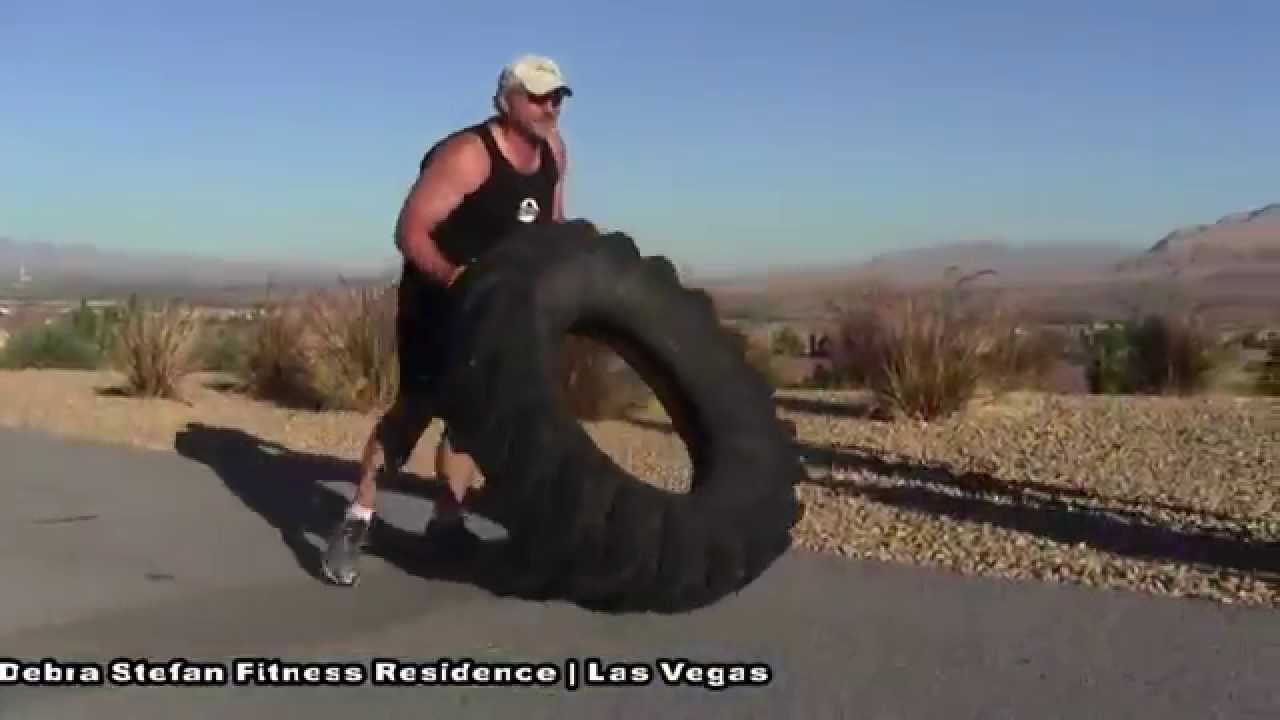

How Long Does it Take to Lose Weight?
Most participants committing to 30-45 days notice improvements within 10 day to 14 days, while some clients swear they can see changes within the first few days.
You can get a realistic look at what to expect from my previous clients who share their before and after photos and videos.
More dramatic results and weight loss depend on nutrition accountability
However, when you LIVE the lifestyle your results can be very dramatic.
So you’re wondering how long should it take you to lose weight.
Just so you know, since 2008 my home is a private residential fitness and weight loss retreat. Therefore, if anyone should know how much weight people are able to lose in a controlled environment it’s me. That’s because I see it every day.
Just ask a weight loss expert
My house guests live in the house with me. Keep in mind, these are people who step up and make a substantial commitment. First of all, they are leaving the comforts of old patterns and bad habits behind. Face it, when you have routines and influences that keep you stuck it’s time to break out of it.
Factors in how long it takes to lose weight
In summary, it wouldn’t be wise for me to share the potential weight loss or length of time it takes. We must consider the variables for men and women of all sizes and ages to achieve optimal body weight. Realistically it can be misleading unless you consider:
- mindset
- effort
- coachability
In closing, do you know if you’re a candidate? Talk to me, I’m Debra Stefan and this is what I do.
You’ll have more energy, be stronger, feel confident, and feel proud that you made the decision to make a impacting change. The sooner you start, the sooner you will benefit!

weight loss before and after photos
Not all weight loss before and after photos of guests appear on the website.
Sharing weight loss before and after photos is a bold move. First of all, it holds the person accountable for continuing progress. Secondly, it boasts for others to try.
Thirdly, motivating strangers who see your photos is a selfless thing to do. However, not everyone can overcome the shame they feel for getting overweight. Fortunately, those that do can appreciate the moment they began by seeing someone else’s testimony.
Before and After Photos Increase Weight Loss Motivation Ten-Fold
When someone like you turns their life around with dramatic weight loss, it sparks hope in you. Therefore, you need to click on these fifty weight loss transformation photos of men and women of all ages. Although, the average client stay at Debra’s Live-in Weight Loss Retreat is four weeks to four months, new habits continue. Sure, there are people who can go the distance on their own. Those who are successful often want to celebrate the victory.
Sharing testimonials, before and after photos and videos is completely voluntary and authentic; no one has ever been paid to do so.
Visual proof in photos can be uplifting when you consider, “If they can do it, so can I!”
Historically, the fitness industry uses girth measurements, photos, and of course, scale weight to measure progress. Oftentimes, a postural improvement can appear to be a greater look of fitness than weight loss alone. All in all, exercise and nutrition progress is important for adherence and accountability. For example, if a person sees the girth measurement decrease it is likely they will continue.
Without knowledge or proof of the progress, there is little incentive to continue new disciplines.
Self-control and discipline are key to ideal bodyweight and fitness. By sharing weight loss before and after photos you inspire others. Chances are, you are hopeful by viewing the success of others. Pay it forward and take periodic photos of yourself for evaluation.

What are your terms of service? Accessible in the website footer.
What Are Your Terms of Service?
So, in asking, “What are Your Terms of Service,” we must clarify the similarities and differences in terms. One is relevant to the website and the other refers to the business. On Debra Stefan Fitness’s website, these are two different pages. First, there is the Terms of Service page. Then, there is the Terms and Conditions page.
In other words, the T.O.S. pertains to the physical services while terms and conditions refer to online information.
These are similar terminologies that all refer to the same guidelines. Any variation between the two is subject to human interpretation. Therefore, a customer going forward with a business relationship understands and expects a human element. Nonetheless, it is advisable to read the terms to protect our potential business relationship.
By visiting the site and having access to the Terms of Service…
Furthermore, by visiting the site and having access to the Terms you are implying that you acknowledge and agree. Therefore, signing an agreement is a mere formality and courtesy between the services provider and the buyer. By accessing, browsing, downloading, using, or registering for our Services, you are accepting and agreeing to be bound by these Terms and our Privacy Policy, and you are entering into a legally binding agreement. Therefore, read these pages.
Needless to say, what about the customer who assumes that subscribing to the “group” service entitles them to the full-time one-on-one “premium” version?
What are Your Terms of Service (T.O.S.)?
In summary, the T.O.S. T.&C. pages and FAQs help clear up misconceptions about details that the customer never thinks to ask about in the first place. Understandably, there are other weight loss options to choose from so one must do their homework. Starting with reasonable expectations, access the available information before making a decision.
Unfortunately, the weight loss journey starts with the customer already in a state of frustration and disappointment. For best results, read the FAQ for details to know before setting unreasonable expectations. That way, you maintain a positive mindset.
Travel insurance for weight loss camp! There may be unforeseen events that prompt you to depart early.
Such reasons could include:
- death or illness of a family member back home
- your own illness, injury or recurrence of a previous injury
- unforeseen emergency at home requiring you to return
In order to protect your investment in making a commitment to attend the live-in program, travel insurance is highly recommended.
I do recommend this for your peace of mind. Your success while in my program is my success. It is our common goal to be assured that you have reduced your personal risk as much as possible. Taking risk out of the equation makes it easier to make a commitment to your goals for weight loss camp.

Read How to Take an IRS Tax weight loss Deduction
Weight Loss Deduction for Camp
You may be able to take a weight loss deduction on your taxes if a doctor first diagnoses your obesity. Then you may qualify for a tax deduction for yourself, your spouse, or your dependent. To find out how, please read more…
For how to take an IRS tax deduction for weight loss camp go to:
http://irs.gov where you can see exactly what the IRS requires.
If you find that you are not eligible to take a deduction for weight loss camp, find out if your health insurance will participate more…
Whether or not either of the above options are available to you, consider the savings in out-of-pocket expenses and health risks for remaining overweight. Consider the quality of your life where the value is priceless. Take steps now to get control of your weight and your health. It is a decision you will never regret.
If you are prone to opt for weight loss surgery for insurance coverage, you are not a candidate for a weight loss camp or fitness retreat. Understand the risks and consequences of altering your body for weight loss before deciding. Weight loss surgery is often irreversible, with patients regaining the weight.
Empower yourself by looking into a weight loss deduction on your taxes, but prioritize your health. Compare the cost of weight loss camp versus medical consequences. Your quality of life is priceless.
Debra Stefan LLC since 2008
No motivation to exercise
For those who have no motivation to exercise or exercise reluctance, start a process of creating positive exercise experiences. Begin by listening frequently to this audio called, “25 Exercise Affirmations.”
Most of all, when you have no Motivation to Exercise Accountability Coaching Can Help.
When you have no motivation to exercise, your accountability coach will guide you to success. Then, you will see the benefits of continuing for yourself. Here you can see a Zoom video image showing Debra Stefan leading an online client. It’s as simple as having a smartphone and internet connection.
Accountability sessions can include activities that you do in your space at home. Chances are, you will find it convenient to schedule because you don’t need to travel anywhere. So, all you need is a device-smartphone, tablet, or laptop. Your coach will send you a link to open providing two-way audio and video.
In summary, you can overcome exercise reluctance with the following tools:
- Positive Affirmations
- Motivational Audios
- Accountability Coaching
Schedule your accountability session today and see success. And if you need total immersion in a positive lifestyle to lose weight and get fit, come to Debra Stefan Fitness Retreat.

No Motivation To Exercise – Accountability Coaching
Live in Fitness California Fat Camp vs Nevada

Live in Fitness Camp – Nevada Weight Loss Retreat or California Fat Camp?
Live in Fitness Camp, the original name for Nevada weight loss retreat LIVE-IN-FITNESS, domain registration 4/13/2008, causes confusion with LIF Enterprise Camp in California (registration 11/02/08). Hence, the necessary name change for live-in-fitness.com. The website domain is now www.debrastefan.com as of 8/2/2013.
Nevada weight loss retreat previously going by Live-in Fitness VIDEO
The Nevada weight loss camp, that is, live in fitness camp share similar keywords with Liveinfitness LIF Enterprise, a California fat camp . However, the website by Debra Stefan Fitness and YouTube channels may still show old posts and videos with the former Live-in Fitness brand. In fact, many weight loss camps and retreats commonly use the keywords live in fitness for marketing purposes.
Live-in Fitness Minus the Hyphens

Nevada Weight Loss Retreat ORIGINAL Registration of Live-in-Fitness on 4.13.2008
Then I notice that LIF Enterprise registers the same domain name as mine, live-in fitness, minus the hyphens. So, I relocate my Nevada weight loss retreat web content to Debrastefan.com (my namesake domain since August 7th, 2000). Previously, a domain broker tries to sell me a duplicate domain name. The domain broker threatens to sell it to a competitor if I don’t buy it from him. Of course, I don’t take the bait. Therefore, LIF Enterprise finds it available for registration on 11/2/2008. The two businesses share no affiliation at all ever.

California Fat Camp registers liveinfitness after the Nevada Weight Loss Retreat.
Live-in-Fitness.com website is now www.DebraStefan.com
Live in fitness Camp Case of Mistaken Identity
Early on, Diets-in-Review publishes the profile for my Live-in Fitness Nevada weight loss camp under LIVE-IN-FITNESS on 8/17/2010. A few clients found it to post reviews in my favor.
Wrongful Identity
However, my profile has an unfavorable review confusing me with LIF Enterprises. Due to the lack of updates on the Diets in Review site, it sadly remains. After writing numerous requests to the Diets In Review webmaster to update the Live-in Fitness name, there has yet to be an update.
Debra Stefan Fitness Retreat is not an an affiliate of the California fat camp.
Despite similarities in keywords, my Nevada weight loss retreat is a private, non-commercial residence where I live and operate my fitness business. I remain unique among live in fitness camps and retreats in this regard. However, one similarity among weight loss camps and fitness retreats is the use of “live in fitness” as marketing keywords.
Live-in Fitness, now known as a Nevada weight loss retreat by Debra Stefan Fitness
So, I post this update to clarify that the former Live-in-Fitness is my Nevada weight loss retreat. The domain no longer exists under that name. Please don’t confuse it with the live in fitness camp, LIF Enterprise.
First, let me highlight the differences that make my small non-commercial business unique from the other big commercial weight loss camps. The person reviewing LIF Enterprise is so disgruntled with her experience at the California fat camp that she blindly targets the Nevada weight loss retreat profile. Clearly, the two are dissimilar on many levels and located in different states.
Nevada weight loss retreat and what makes it unique
At the Nevada weight loss retreat (Debra Stefan Fitness), there are no “packages.” Everyone gets personal training without an upgrade cost. It remains manageably small to focus on a few individuals. I accommodate only three to four guests with whom I live and work. There is no training staff for you to get lost in the shuffle. We enjoy direct communication. You live, eat and work out with your live-in fitness trainer.
Food at the Nevada Weight Loss Retreat
Guests participate in both food selection and preparation according to personal preference. Live-in fitness and wellness lifestyle habits then transfer to home habits. There are usually no executive chefs at your home, so you learn to implement new choices that get you to your weight loss goals.
Nevada Weight Loss Camp activities do not take place in a gym.
An occasional client request will prompt an optional field trip to the gym. Once the client learns how to self-train and has a training plan, they sometimes want to try a commercial gym. My private live-in fitness room offers no shiny chrome machines; the human body is the machine.
Weight loss camps comparison with the Nevada weight loss retreat
I hope to clear up any confusion so that readers understand the differences between my Nevada weight loss retreat and other live in fitness camps. Thank you for taking the time to read my history. Feel free to visit my site anytime by googling my name, Debra Stefan. My name is synonymous with what I do.
Here is a review about the California fat camp that has nothing to do with the Nevada Weight Loss Retreat, formerly known as Live-in Fitness.
Before reading the following review, please understand that it is about LIF Enterprise Camp in California.
Debra Stefan
“I was at LIF from 4/30 – 5/28, and it was a waste of money.
I had a horrible experience. This place is misrepresenting what they can do; they are false advertising. Any reviews before 4/21/17 are at their old location. The current location was opened the last week in April 2017. I purchased a Gold package like many other, just to be told the services was not offered at the Cali. location. I asked for a refund for only the package ($1,500), not the week, and was denied.
“I only stayed because they refuse to refund any weeks I purchased”
This is only a brief overview of the service. Don’t pick this camp, try someone else. I only stayed because they refuse to refund any weeks I purchased. In total, was taken advantage of and loss out of $10K+.
Food: Cold food, crammed in a conference room to eat breakfast, lunch, and dinner.
Owners cooking food in the hallway of the conference, with no gloves, plates sitting on the counters for anyone to breath, spit, or anything to the food. Note, the conference room is next to the main lobby where the apartment complex conducts their business. The food was the same very often; however, we never could get a menu list of what was in the food even though it was requested multiple times.
The Room accommodations were chaotic and not scheduled as purchased.
They also promised to clean the rooms weekly which was more like every 10 or 12 days and the room was half cleaned, when it was cleaned.
Workouts & Gyms: The gym was all old equipment torn up; we were also kicked out of several gyms.
The training was sub-par, trainers we’re not talking to each other about the training they were doing in the different classes, they did not have the right equipment or the right areas to truly give full workouts. We had to work outside on benches where the homeless congregated and stayed, we had to lay in the grass where dogs pooped.”
Read more at https://www.dietsinreview.com/diets/live-in-fitness/#dJ2iM662S5Lu6cIh.99
Debra Stefan Fitness Retreat in Nevada historically has zero affiliates
If you have read this far, let me remind you that this is about the California entity with which Debra Stefan Fitness Retreat historically has zero affiliation. Unfortunately, Diets In Review does not correct wrongful reviews on their site. I hope to use this review as an opportunity to verify the unique difference in my services.
Thanks for reading.
Debra
When you can’t lose weight…
“Why I can’t lose weight,” requires a checklist. First, you are more than likely sleep-deprived. As a result, there are a few general lifestyle factors to have in place before you book your weight loss retreat.

Can’t lose Weight? Sleep-Deprived! Dodow Sleep Aid
Sleep-deprived?
Being sleep-deprived can cause weight gain and inhibit weight loss. Cortisol levels are increased due to the stress of too little sleep. If you are not sleeping well, then you may be a candidate for a sleep study. Being overweight is a high-risk factor for the development of obstructive sleep apnea. Obesity can lead to disruptive breathing problems during sleep. As well, a breathing disorder disrupting your sleep that isn’t treated is known to cause weight gain. If you aren’t already using a CPAP sleep aid device, have a sleep study done. Once sleep is restored to optimal levels, you will find it easier to control your weight and stress-related health factors.
Other Sleep Aids
Meanwhile, try falling asleep with a Dodow. The Dodow is a simple battery-operated device that shines a dynamic blue light beam onto the ceiling of your dark bedroom. Breathe in and out to the tempo of the light dimmer. This is a simple breathing meditation known to quiet the mind and enable relaxation of both mind and body. Get yours here- Dodow Sleep Aid on Amazon.
Hormones- Here is the link for your complete information: INSIDE TRACKER-Blood Tests to Live By!
Yes, I might benefit if you should purchase from either of these links. However, I will not recommend anything that I do not wholeheartedly believe in for myself and my clients.
Still can’t lose weight?
Tracking nutrition is key to health and wellness. Often, weight loss clients remain stuck in the “calories in and calories out” way of thinking. However, the quality of nutrition can heal the metabolism making you successful in attaining optimal body weight. At Debra Stefan Fitness Retreat both live-in and remote accountability clients learn to succeed by simply tracking nutrition on a smartphone. It is easy to track on the fly and plan meals accordingly.
If you still can’t lose weight, talk to Debra. Together you can discuss what is working and what is not.

Bloodwork for hormones sets a baseline for weight loss progress
Blood work for hormones aid fitness, weight loss, and wellness.
If you think you are already getting bloodwork for hormones, please know that the general blood levels you get at your physician’s request aren’t the same. In fact, they rarely provide vital information beyond disease diagnosis.
Adherence depends on proof of results in comparing bloodwork for hormones!
First, when you are on this site seeking fitness and weight loss you should consider getting your blood work for hormones. In doing so, you are taking your wellness to a much higher level. Furthermore, you will find this guidance extremely helpful. Regardless of your decision to attend a weight loss camp, you will launch your journey with a baseline report. Next, you will compare progress going forward. Adherence depends on proof of results!
In fact, I recommend bloodwork for hormones as the first step before you invest in a live-in weight loss camp. Start with a blood-level blueprint to get some answers. Furthermore, the concerns that you hope the weight loss camp will address will be clear. As you know, fatigue, low energy, slow metabolism, and disruptive sleep are common complaints.
So, start by getting bloodwork for hormones.
Take the guesswork out of weight loss by having a clear outline to improve on. Then, you will learn exactly where you are and what is holding you back. Going forward, you will see improvements and be motivated to keep it up. Naturally, you will want to stay on track to keep checking periodically.
Yes, I might benefit if you purchase from this bloodwork for hormones link. However, I will not recommend anything that I do not wholeheartedly believe in for myself and my clients. Here is the link for your complete information:
INSIDE TRACKER-Blood Tests to Live By!

Sleep Apnea Weight Gain
Sleep Apnea Weight Gain VIDEO
Sleep Apnea Weight Gain requires a sleep study and the use of a CPAP for weight loss ensures the best results. So, address denial with a sleep study before ruling out the benefit of a medical sleep device.
“Sleep Apnea Weight gain is a slow process sustained by lifestyle factors such as lack of sleep, sedentary lifestyle, excessive caloric intake, and genetics.
Short sleepers and obese people can easily suffer major depression… Short sleep duration and dietary intake can cause hormonal imbalances…”
Therefore, you ask, “can weight loss help my sleep?” In fact, most all people with obstructive sleep apnea are overweight, with fat deposits around the upper airway obstructing breathing.
Neck size is a factor in sleep apnea weight gain.
In most people, a neck size greater than 16 or 17 inches indicates excess fat in the neck area. Apparently, obstructing your airway during sleep is more likely with a larger neck size. In fact, doctors use neck circumference and other indicators to evaluate your overall risk of OSA.
But, do you really need a CPAP for weight loss?
To be sure, for best results at weight loss camp, do a sleep study to address issues of sleep apnea weight gain. As a result, arrive with your CPAP for weight loss camp.
Jehan, S., Zizi, F., Pandi-Perumal, S. R., Wall, S., Auguste, E., Myers, A. K., Jean-Louis, G., & McFarlane, S. I. (2016). Obstructive Sleep Apnea and Obesity: Implications for Public Health. Sleep medicine and disorders : international journal, 1(4). https://doi.org/https://www.ncbi.nlm.nih.gov/pmc/articles/PMC5836788/
Weight Loss Camp Essentials: Sleep, Water, Nutrition
Scientific studies, plus fifteen years of experience running my residential weight loss camp, reveal some insights. So, you could have a couple of fundamental reasons why you can’t sleep or lose weight.
1.) Insomnia is a classic sign of cardio overtraining. Make sure you are within your limits here.
2.) Intense training too late in the day can cause sleep disturbance. Instead, do yoga or relaxation stretching for your last workouts for the day to help you unwind.
3.) Nutritional and hormone deficiency can disrupt sleep.
My weight loss camp emphasizes sleep importance. So, if you need a CPAP for weight loss, get a sleep study. Then, start using it to improve sleep and weight. Seriously, if you’re thinking about losing weight and improving your wellness, let’s start with good sleep!
First, identify the pattern. Then, change it.
Secondly, give yourself time to establish new habits. In fact, I have experience with all three of the above sleep killers myself. Ideally, you can usually identify the problem and change the pattern for immediate results.
In closing, remember that sleep is the most important thing you can do for your health over and above workouts. Without rest and recovery, the body cannot heal, grow, develop, and get the results you seek.
Whether you are at an adult weight loss camp like mine or on your own at home, GET SLEEP.
Another factor causing sleep deficiency is obesity itself. Most clients in adult weight loss camps bring their CPAP machines with them.
So, please consider a sleep study if:
- you are overweight,
- have begun to gain weight easily,
- lose weight with great difficulty.
Bottom line, should the sleep study result in a recommendation for a sleep-assisting appliance, by all means, do it.
CPAP for Weight Loss -Don’t Leave Home Without It
You will see CPAP on the packing list for my adult weight loss camp guests. So, if you haven’t had a sleep study and are 50+ pounds overweight, get it done before you come. Your result will be optimal.

Meditate to Lose Weight -courtesy of Debra Stefan SoundCloud playlist
Meditate to Lose Weight
Definitely, you can meditate to lose weight because meditation can help you learn to relax and clearly see your goals. Furthermore, meditation helps to engage in an optimistic view of fitness and weight loss. Actually, Debra Stefan can help you with that right now.
Free mediation audios by Debra Stefan.
First, visit Debra’s free SoundCloud channel on your smartphone or another internet-connected device. Then, help yourself to over 75 meditation recordings. In fact, these are actual sessions guiding weight loss clients into a deeply relaxed state of mind and body. Hence, your mind is receptive to setting meaningful goals.
Golfers and other people who understand the power of the mind, understand why meditation to lose weight works. See Debra’s Golf Fitness Retreat for more details.
First, try one of the free meditation audios and see if it helps you embrace achieving your goals. Then, you can meditate to lose weight by listening to powerful suggestions. However, it will take frequent practice to see results.
Mindset is key to striving toward goals of all kinds. Weight loss is no different. So, stretch out on a comfortable surface in a quiet place. Then listen to one of Debra’s guided visualization audios. Chances are, you will find the perfect one that resounds with your goals. Then visualize yourself enjoying activities and wardrobe options in new social settings at your ideal weight. This way, you become a believer. As you believe, you will achieve.

Who Can Do Powerlifting?
Anyone who can follow basic movement cues and practice with proper guidance can do powerlifting, including beginners, seniors, and those with a 72 BMI using lift modifications and adaptive coaching.
Who Can Do Powerlifting? 1 Proven Success at 72 BMI
Who can do powerlifting?
Powerlifting does not belong only to young athletes or lean bodies. With the right teaching, a person of any age, bodyweight, or experience level can learn the squat, bench, and deadlift. The key comes from technique, progression, and steady support.
Who Can Do Powerlifting at Any Size?
Many people feel unsure about starting because they ask, “Who can do powerlifting if I am out of shape or very heavy?” The answer stays simple. If a person can learn to brace, hinge at the hips, and follow clear cues, that person can begin powerlifting in a safe way.
Powerlifting adapts to the body in front of the bar. Foot position, stance width, range of motion, and bar path can change to fit the lifter. A new lifter does not need to match elite form on day one. Instead, the lifter learns basic patterns and repeats them under close guidance.
Can Overweight People Do Powerlifting?
Can overweight people do powerlifting? Yes. High bodyweight does not block strength training. Extra mass often brings natural leverage and stability once technique improves. The main job is to respect joints, breathing, and balance while setting up each lift.
For larger bodies, coaching focuses on safe ways to get into position. That might include a wider squat stance, a higher bench, or a deadlift that starts from low blocks instead of the floor. These adjustments keep the spine safe and protect knees and hips while the lifter builds strength.
72 BMI Proven Success Example
One clear example answers both questions, “Who can do powerlifting?” and “Can overweight people do powerlifting?” A client starts at 474 lbs (215 kgs) with a BMI of 72. He trains using adaptive squat, bench, and deadlift techniques that match his size, breathing pattern, and mobility.

Can overweight people do powerlifting? Click for video
72 BMI client training with modified squat, bench, and deadlift (video)
At this size, getting into position matters more than the weight on the bar. The lifter learns how to set feet, grip the bar, brace the trunk, and move through a short, safe range of motion. Over time, range improves. Confidence improves. Strength improves. Bodyweight begins to shift, but the real change happens in what the lifter believes is possible.
Powerlifting for Seniors and Late Beginners
Many people delay strength training until later in life. They still ask, “Who can do powerlifting if I am over 50 or over 60?” Seniors make some of the best powerlifting students. They listen, stay focused, and value every gain in strength and mobility.
For seniors, powerlifting improves bone density, balance, and daily function. The squat helps sitting and standing. The bench press helps pushing up from chairs or the floor. The deadlift helps lifting groceries, suitcases, and household items with less strain.
Safe Progression for Older Adults
Older lifters start with light loads and full control. They hold positions longer, practice the setup steps, and use more rest between sets. This approach keeps training safe while still building strength. Age does not stop powerlifting. Poor coaching and rushed loads do.
Starting With Limited Mobility
Some people cannot get down to the floor or cannot rise without support. They still ask, “Who can do powerlifting if I cannot move like others?” Modified tools and setups make training possible. TRX-supported squats, box squats, raised deadlift handles, and careful bench height adjustments allow nearly anyone to train.
Thai Yoga Stretch and other assisted mobility work can prepare joints and soft tissue for lifting positions. With regular practice, many clients move better, breathe easier, and gain confidence in their bodies.
Powerlifting Without a Public Gym
Powerlifting does not require a crowded gym. Strength training can take place in a private setting or outdoor area using sleds, tires, ropes, kettlebells, and a barbell. A quiet environment helps new lifters stay calm and focused. They learn each lift step by step without pressure from onlookers.
To explore a structured strength program in a private setting, visit my Powerlifting Retreat in Las Vegas page.
Is Powerlifting Safe for Most People?
Powerlifting becomes safe when coaching respects the person’s history, injuries, fears, and goals. Safety comes from correct technique, slow load increases, and honest feedback between lifter and coach. With these pieces in place, a wide range of people can train.
So, who can do powerlifting? The honest answer: almost anyone willing to learn, listen, and progress under proper guidance. A 72 BMI lifter, a senior new to strength training, and a beginner with no experience can all succeed with modified lifts and adaptive coaching.
Related Powerlifting and Strength Stories
- 76-Year-Old Builds Strength in a 30-Day Powerlifting Program
- 63-Year-Old Student Wins Gold in Her First USPA Meet
- Senior Strength Training Progress in a Live-In Retreat Setting
About Debra Stefan
World-record powerlifting, Guinness World record-breaking athletic performance, and decades of strength coaching shape every program at my residential retreat. Women’s Master Powerlifting World Records in squat, bench, and deadlift (2024–2025) demonstrate the effectiveness of the same safe progressions my clients follow. Operating a private live-in fitness retreat since 2008 provides adults up to 500+ lbs and seniors into their 80s a private setting to train without public-gym pressure. Coaching stays personal, adaptive, and focuses on strength, mobility, and confidence for every body. Learn more on the About Debra page.
If you want to see whether powerlifting fits your goals for strength, weight loss, or mobility, you can start with a simple conversation. Ask questions, share your concerns, and review safe options that match your current ability. Powerlifting meets you where you are and moves you forward one step, one rep, and one lift at a time.
Sunny Nevada Weather -What You Need to Know About the Heat!

Sunny Nevada weather offers year-round sunshine
Sunny Nevada weather is the number one reason for the preferred destination.
Southern Nevada and the Las Vegas valley see 300 days of sunshine in a year on average. The odds are that when you are here, it will be sunny out. Even in the warmer summer months from sunrise through the morning, we have optimal sunny Nevada weather. Another bonus is that there are absolutely no insects due to low humidity. No flies to swat or mosquitoes to repel when outdoors. (Did you hear that some people have declared the mosquito the new state bird of Florida?!)
If you suffer from joint inflammation, this is the ideal exercise environment for you.
Mother Nature’s Anti-Depressant – Sunny Nevada weather
Early morning sunlight and outdoor exercise help boost serotonin and metabolism. Scholarly research proves this to be true. Outdoor activity promotes a noticeable mood boost that aids those who have depression.
Sunny Nevada weather makes Las Vegas among the nation’s top five tourism destinations all year long because of the beautiful weather and sunshine. In warmer summer months all scheduling precautions are in place to minimize heat exposure. Take full advantage of the abundance of sunshine and fresh desert air while you pursue your health goals.
Southern Nevada Summers
The fact is, that in the summer, temperatures can reach the 100s. Again, this is with low humidity making it easy to tolerate warmer temperatures. Furthermore, the long summer days make it optimal for early outdoor activity at cooler times. However, indoor workouts and indoor pools are air-conditioned during the heat of the day. Fortunately, milder evenings and long days enable more outdoor activity in cooler temperatures.
Conversely, in the winter temperatures rarely drop below freezing and that only happens at night. In fact, there are only about eight nights annually with freezing temperatures. So rest assured, Southern Nevada weather offers the ability to be outdoors year-round with few days that won’t allow for outdoor exercise. As a result, you can see the monthly averages for both temperature and precipitation here.
Southern Nevada Weather Year Round
Highs | Lows
Winter: Mid 60’s | Mid 40’s
Never fear: the colder temperatures are after nightfall in the winter with comfortable daytime temperatures.
Spring: Mid/Upper 70’s | Mid 60’s
Summer: Upper 90’s-Low 100s | Low 70’s
In the summer months of longer daylight, we enjoy the early mornings and later evenings outdoors.
Fall: Mid/Upper 70’s | Low 60’s
Remember that sunny Nevada weather puts Las Vegas in the top five sunniest places in the United States year-round with about 300 sunny days annually.

You can plan arrival to start your program at the first available opening that suits your needs. Availability can change daily and cannot be guaranteed unless you secure your booking deposit. Remember that this is a residential fitness program serving a semi-private clientele so space is limited.
When considering a retreat, many individuals prioritize personal privacy. This is especially true in vibrant locales like Las Vegas, where distractions are abundant. Here, guests can engage in their wellness journey without prying eyes. This unique aspect of Debra Stefan’s retreat is what distinguishes it from standard wellness options.
Private Retreat Privacy Las Vegas Standards
Benefits of Maintaining Privacy During Retreats
Private retreat privacy Las Vegas defines every experience at Debra Stefan’s residential fitness retreat. She limits attendance, manages all communication, and maintains a secure, peaceful setting. Guests trust Debra to protect their information, environment, and comfort.
Maintaining privacy during a retreat is paramount for many guests. The psychological benefits include reduced anxiety and enhanced focus. When individuals know their environment is secure, they can engage fully with wellness practices, whether it’s meditation, yoga, or personal training. Read what Betsy from Pennsylvania wrote about her retreat with Debra.
Debra enforces private retreat privacy Las Vegas through strict control and personal oversight. She meets guests only by appointment and allows no public access. Each guest room stays private, and all names, photos, and schedules remain confidential.
Moreover, private settings foster deeper connections with oneself. Guests can reflect on their goals and aspirations without interruptions. This retreat model encourages a supportive community where participants can share experiences and insights privately.
Guest Safety and Confidentiality
Debra’s attention to privacy doesn’t stop at the physical environment. She employs thorough screening processes to ensure that all guests align with the retreat’s values. This curated approach enhances the overall experience as individuals are surrounded by like-minded peers.
Debra protects her guests’ privacy from inquiry to departure. She stores no public listings or online calendars that expose stay dates. She shares the residential address only after confirming registration. Guests who value privacy choose her retreat because it offers professional care without exposure.
In addition, the retreat offers a variety of activities tailored to individual needs, all within a safe space. From personal training sessions to cooking classes, guests can explore new wellness practices without concern for outside judgment.
Guests who require assistance with airport arrivals or transportation can review the Travel to Las Vegas Retreat FAQ. For extended-stay questions, the International Fitness Retreat USA FAQ provides helpful details.
Privacy also plays a critical role in recovery. For those dealing with emotional or psychological challenges, the ability to share openly in a confidential setting can be invaluable. Debra understands that trust is built through discretion and care.
Furthermore, maintaining a serene atmosphere contributes significantly to the overall experience. Guests can immerse themselves in nature, partaking in activities like hiking or outdoor yoga, all while knowing they are in a protected space.
Why Privacy Builds Trust
During their stay, guests often form strong bonds, sharing personal stories and fostering connections that last beyond the retreat. These relationships thrive in an atmosphere of trust, further enhancing the retreat’s value.
Debra believes private retreat privacy Las Vegas supports genuine transformation. When guests feel secure, they focus on health and recovery instead of external distractions. Her commitment to discretion, professionalism, and care defines her long-standing reputation since 2008.
Debra’s commitment to privacy extends to every aspect of the retreat. From personalized meal plans to tailored fitness regimes, every detail is crafted to ensure each guest feels safe and cared for.
Debra runs every part of the program herself, eliminating outside staff and public exposure. Guests receive focused attention in a private, safe, and professional environment.
In summary, when choosing a retreat, privacy is not just a luxury; it’s a necessity for many. Debra Stefan’s retreat privacy practices create an unmatched environment where transformation can take place in a secure and supportive setting.
For related travel details, read the Travel to Las Vegas Retreat FAQ.
For those interested in attending, it’s essential to understand the process. Debra provides comprehensive information on registration, ensuring a seamless transition into the retreat experience.
In conclusion, retreat privacy is fundamental to the success and enjoyment of any wellness journey. Debra’s commitment to keeping her guests’ experiences private makes her retreat a top choice for many seeking personal growth in Las Vegas.
Residential Fitness Camp -What it Means to You
When you enter a residential fitness camp, you will choose your level of commitment.
Choose the live-in, half-day or full day residential fitness camp to match your needs. Using the success principles of behavioral modification you will succeed in setting new habits. These are the new habits you adapt to your regular home life. Often home life presents negative anchors holding you back. Detachment can happen by committing to the residential fitness camp on a 24 hour basis. It can also happen when you sleep at home and drop in to full or half-day camp. Only you can make the right decision based on your home life and resources to take part in a residential fitness camp.
If you have family responsibilities and cannot commit to overnight residential fitness camp, day camp is your option. Either half or full day camp can suit your schedule and ability to commit.

Residential Fitness Camp- Is it for YOU?
At the residential fitness camp you get daily workouts with your own personal trainer. This compares to a fraction of the cost for one-on-one training at a club or in the gym-with no upgrade fee.
Making your residential fitness camp commitment a priority is easy when you prepay. This creates a time frame in which you put forth the efforts to achieve results. Without financial commitment, there is no urgency to act on your goals. The fitness industry standard is prepayment of services for this reason. The psychology of exercise adherence bases on commitment level. The greater the commitment, the greater the effort.
At residential fitness camp you get the right nutrition and activities in a protective environment. You are free from any negative patterns holding you back. The residential fitness camp daily training routines empower you. You can meet your goals with personal bests in a progressive manner.

Excessive Exercise? NOT!
Excessive exercise can be risky and possibly fatal.
Excessive exercise isn’t a problem with progressive exercise. The experience at a fitness retreat is a unique exception to the cautionary rule. Horror stories of fatal rhabdomyolysis fuel fear, telling people not to do excessive exercise.
In the unique environment of a fitness retreat, you overcome the usual limitations that you would have at home. However, several vital factors enable a person to exceed normal limits safely.
When you are on a fitness retreat, things change. You’re not at work and don’t have responsibilities in everyday life. Your entire focus is on YOU, your body, and your mind. Say you need to take a nap during your recovery period. Nothing else is more critical for you to do. Frequent rest is not usually possible at home.
In other words, at a retreat, you are there to train, eat, recover and repeat.
As a result, you will enjoy much-needed downtime. Sleep, or read and rest while giving your body the proper recovery needed to resume. Excessive exercise isn’t a concern when you train progressively, eat, and recover.
Proper Progression
The right intensity, duration, and frequency of exercise is a progression. That way, your body has a chance to rebuild during rest and recovery. Sure, you are doing far more than you were at home. However, the progression is gradual. Therefore, recovery balances your efforts. In other words, you rebuild your body as you go.
You should never feel as though you have hit a wall of complete exhaustion. Each activity session leaves you feeling a sense of accomplishment rather than defeat or failure.
Food timing refuels the body. Hence, the frequency of nutrition with rest periods is the focus of your day at the fitness retreat.
Reasons why you can’t train that much at home
Time does not permit the frequency of multiple exercise sessions in daily home life. You attend to many energy-sapping details and responsibilities.
Daily life at a fitness retreat allows you to depart from all of that. Of course, you can communicate with loved ones during break times. Likewise, you can remotely attend to business and check on the delegated details. Most importantly, you don’t drain energy and divide focus. Therefore, emotional stress is minimal.
There is no place else you need to be when you are on a fitness retreat.
As a result, you are your only concern. All of these factors weigh on your ability to rest and recover adequately.
Without sapping your physical and mental reserves, you can raise the bar of physical limitations.
Exercise Variety and Active Recovery
Redundancy is not a problem here. Excessive exercise isn’t a risk when doing a combination of different types of physical fitness. What’s more, variety increases your ability to do more exercise. A well-monitored progression challenge rewards you with accomplishment. As a result, you can avoid overtraining easily.
Chances are, you aren’t able to do this at home. At home, your one trip to the gym or trainer must count for the entire day. Too often, gym-goers overdo it during one grueling session. Consequently, one workout session wipes you out and takes you down.
Excessive exercise risk?
You have all the reasons why results happen quickly at a fitness retreat. Furthermore, these are the key reasons you achieve excellent results in a shorter timeframe at a fitness retreat.
Commitment-the final key
Consider that you commit to leaving home and investing in yourself. That factor alone can hold you to your highest standard. Likewise, building the belief in one’s own ability to fulfill self-promises transfers to your new lifestyle back at home.
Pet policy at the fitness retreat is pet friendly to protect pets from coyotes
Our pet-free fitness retreat pet policy protects all pets by not allowing them in the fitness residence. Therefore, it is pet-friendly because we are in coyote country and pet safety is in no way secure. However, we are people-friendly.
Pet Safety is Pet Friendly
Keep on mind, coyotes are nearby, making it impossible to guarantee pet safety while at the fitness retreat. So, review our information on these considerations, and try to appreciate our pet policy.
Coyote Country
Regarding pet safety and our pet policy, in our location nearby coyotes are a genuine concern. This fact that makes it impossible to guarantee pet safety while at the fitness retreat. Please review our information on these considerations; we hope you can appreciate our pet policy.
Pet Accommodations Nearby
If you feel compelled to have your pet accessible outside the fitness residence, you may consider local pet boarding options. Local Henderson pet sitters may offer private boarding other than kennel boarding. This way, you may visit your pet during fitness recovery breaks. Keep in mind Debra’s pet-free residence cannot make exceptions and will not be an option should your arrangement not work out.
Pet Policy
Before you debate the pet-free policy of a small business, please consider our position. A pet friendly pet policy is a liability to a small business when there are other customers. Remember, the retreat residence is not a one-on-one program. Unless you are booking the retreat as a personal one-on-one experience, there will be others to consider.
Understandably, you are emotionally attached to your pet. However, insurance liability, health codes, and alienation of customers with allergies are business risks. The pet-free policy stated here in our FAQ is part of our terms and conditions.
Your love for your pet’s safety is meaningful among the pet-friendly arguments and business concerns. Consider the safety of your pet in Southern Nevada at our location. Understandably, our pet-free fitness retreat policy protects pets from coyotes. Above all, we are a people friendly business.
So that you know, please see how we celebrate our pet love outdoors at the fitness retreat in Southern Nevada.

Fragrances can be overwhelming in close indoor spaces and may trigger headaches, nausea, or respiratory irritation for others and can attract bees outdoors.
Outdoors, scented products can attract bees, creating an unnecessary safety concern during training sessions.

fragrance free policy bees
Fragrance Free Policy
The retreat maintains a strict fragrance free policy and personal fragrances are prohibited during your stay at the residence. This includes scented deodorants, body washes, lotions, hair products, and perfumes. Check the Retreat Packing List for more details to prepare for your stay.
Fragrances can be overwhelming in close indoor spaces and may trigger headaches, nausea, or respiratory irritation for others. Outdoors, scented products can attract bees, creating an unnecessary safety concern during training sessions. Learn what the CDC says about scented products and indoor air quality.
To maintain a comfortable, respectful, and distraction-free environment, all personal care products should be unscented. The National Park Service has a public service announcement on scented products and wildlife.
How The Fragrance Free Policy Applies During The Retreat
Retreat stays involve shared indoor spaces and extended time outdoors. Clear expectations around personal care products prevent misunderstandings and reduce the need for follow-up before arrival.
Guests must arrive with fragrance free personal care items and must avoid introducing scented products at any point during their stay. This requirement applies across living areas, training spaces, and outdoor activities. When guests bring scented items unintentionally, they may need to replace them to meet retreat guidelines.
The retreat applies this policy consistently to all participants. Enforcement is not personal preference or individual tolerance. Instead, the policy establishes a predictable environment that allows daily routines and training sessions to proceed without interruption.
Clear guidance before arrival minimizes distractions during the retreat and eliminates last-minute adjustments. Guests who prepare in advance typically adapt quickly once they remove scented products from daily use.
Guests should address questions about specific products before arrival to ensure readiness. Clear expectations allow participants to focus on training, recovery, and daily structure rather than logistics during their stay.
A hydration pack is a waist-mounted belt holding water to allows hands-free hydration during outdoor training, excluding backpacks and shoulder-mounted systems.

A hydration pack is a waist-mounted belt with bottle holders that allows hands-free hydration during outdoor training.
Hydration pack means a belt-mounted bottle holder or a low-profile reservoir.
The hydration pack is a waist-mounted belt with bottle holders that allows hands-free hydration during outdoor training. Ideally, it should sit low on the hips, not on the upper back.
Backpacks and shoulder-mounted systems are not acceptable because they restrict movement, affect posture, and interfere with safe, efficient exercise. Handheld bottles are also discouraged, as they disrupt arm swing and are do not offer ease of use during longer sessions.
What makes it acceptable:
-
Worn at the waist/hips
-
Low-profile, close to the body
-
Does not shift during walking or biking
-
Does not load the shoulders or upper back
-
Allows hands-free, uninterrupted movement
What a suitable hydration pack is NOT:
-
❌ A backpack
-
❌ A CamelBak-style pack worn high on the back
-
❌ Anything that hangs, bounces, or alters posture
A hydration pack is a waist-worn belt with integrated bottle holders designed for hands-free hydration during movement. Backpacks or upper-back water reservoirs or bags are not acceptable substitutes.
Learn what the experts in outdoor recreation have to say.
How Hydration Is Managed During Outdoor Training
Outdoor training sessions intend to be continuous and efficient. Movement patterns such as walking and steady-pace conditioning require consistent hydration without frequent stops or interruptions.
Carrying water by hand or attempting to secure a bottle in a pocket often leads to discomfort, distraction, and inconsistent use. Bottles shift, bounce, or are simply not handy once movement begins. Over time, this affects posture, arm swing, pacing, and overall session flow.
Hands-free hydration allows focus on active participation, movement quality, breathing, and rhythm rather than managing equipment. When hydration is easily accessible, participants are more likely to drink regularly. Maintaining appropriate fluid intake throughout longer sessions is key.
Training structure emphasizes simplicity and consistency. Equipment requirements set in advance reduce uncertainty and ensure sessions run smoothly. Clear expectations around hydration help prevent last-minute substitutions that interfere with movement mechanics or training efficiency.
Clients are to arrive with appropriate equipment so that outdoor sessions can proceed without unnecessary adjustments or delays.
Smart Cycling builds essential bike handling skills for adults, including safe starts, controlled stops, braking technique, scanning, signaling, and hazard avoidance.
Bike Handling Skills are the foundation of safe and confident cycling.
Whether you are new to riding or returning after a long break, these essential skills determine how smoothly, efficiently, and safely you ride. Proper bike handling reduces anxiety, improves reaction time, and prepares cyclists for both road and trail environments. This overview explains the core techniques taught in Smart Cycling and private instruction so you know exactly what to expect when you train.

Bike Handling Skills smart cycling hazard avoidance drills
Key Bike Handling Skills You Will Learn
1. Starting and Stopping With Control
Most falls happen when riders begin or end their ride. You learn how to mount smoothly, gain balance quickly, and bring the bike to a controlled stop without wobbling or tipping the bike. Controlled stopping also includes proper brake pressure and understanding the role of front vs. rear braking.
2. Steering, Turning, and Counter-Steering
Turning a bicycle becomes easier when you know how counter-steering works. Riders practice leaning, weight shift, and smooth arc creation for predictable turns. You also learn low-speed turning for tight spaces, U-turns, and corrections on narrow paths.
3. One-Handed Control for Signaling and Scanning
Safe riding requires removing a hand from the handlebars without losing balance. You practice:
-
One-handed steering
-
Hand signals without wobbling
-
Looking over the shoulder while riding straight
-
Holding a predictable line while interacting with others
These skills help you share trails and roads with confidence.
4. Hazard Avoidance Maneuvers
Effective bike handling means avoiding collisions before they happen. You learn two life-saving maneuvers:
-
Quick Stop: Maximum stopping power without skidding or flipping the bike
-
Instant Turn: A counter-steer maneuver for fast avoidance around an obstacle
These are the same drills used in Smart Cycling Traffic Skills 101.
5. Straight-Line Riding and Balance Drills
New and returning riders often struggle to maintain a steady line. Balance drills include:
-
Slow-speed riding
-
Walking-pace pedaling
-
Tracking between cones or lane markers
These develop stability, leg control, and calmness in tight conditions.
6. Gear Use and Cadence Control
You learn how to shift gears at the right time to avoid strain or stalling. Proper cadence keeps your legs efficient and prevents knee stress. This is essential for hills, long rides, and energy management.
7. Trail and Road Predictability Skills
Predictability makes you safe around others. You practice:
-
Riding visually and scanning ahead
-
Choosing the best line on the trail
-
Communicating early with signals
-
Maintaining situational awareness
These habits prevent crashes caused by surprise movements.
8. Emergency Maneuvers and Crash Prevention
Riders learn how to respond when something unexpected happens, such as a pedestrian stepping out, a dog crossing, a car appearing, or sudden trail obstacles. You learn what your bike can do under pressure and how your body should respond.
Why These Bike Handling Skills Matter
Improving bike handling reduces fear, builds confidence, and makes cycling enjoyable rather than stressful. Most adults feel unsafe on a bike simply because they were never taught formal skills. Training corrects that and gives you a strong foundation whether you ride for fitness, fun, or transportation.
How Bike Handling Skills Improve Confidence and Long-Term Safety
Developing strong bike handling skills does more than help you ride a bicycle. These skills create a sense of control that reduces hesitation and builds trust in your own ability. Many adults return to cycling after years—or decades—away from the bike. The number-one issue they report is feeling unsteady or unsure of how to respond to unpredictable situations. With structured skill building, those concerns fade quickly.
When you learn how to balance at low speeds, shift smoothly, look over your shoulder without drifting, and steer with precision, your entire riding experience changes. Trails and paths feel more inviting instead of intimidating. You no longer worry about sudden stops, tight corners, walkers with dogs, or fast cyclists approaching from behind. Clear, predictable handling also makes you safer around others, because every rider and pedestrian can anticipate what you will do next.
These skills are especially important for anyone transitioning from casual recreational riding to longer fitness rides or multi-use trail outings. They support better posture, smoother pedaling, and efficient energy use. As your comfort increases, you naturally build endurance and strength, allowing you to ride farther with less fatigue.
Training also provides a mental benefit. When you understand the mechanics of the bike and how your body interacts with it, the fear of “what if” disappears. Skillful riders enjoy more freedom, more fun, and a deeper appreciation for outdoor movement. This is why adults who invest in proper bike handling often continue riding consistently—they feel capable, safe, and empowered every time they get on the bike.
For additional background on national bicycle education standards, the League of American Bicyclists provides an overview of Smart Cycling concepts here: https://bikeleague.org/smart-cycling/.
-
Adult Bicycle Class: https://debrastefan.com/adult-bicycle-class/
-
Smart Cycling Overview: https://debrastefan.com/faq/what-is-smart-cycling/
-
Bike Instruction Hub: https://debrastefan.com/biking-retreat-in-las-vegas/
Related Biking Education Resources:
Bicycle Balance Drills Anyone Can Learn
Nevada Bicycle Safety Law Explained
Joint Friendly Fitness Biking for Weight Loss in Desert Conditions

Joint friendly fitness biking for weight loss in desert climate
The desert climate remains joint friendly fitness biking for weight loss, helping guests move comfortably and train outdoors year-round with less arthritis pain.
Yes. The arid desert climate near Las Vegas stays joint friendly for fitness biking for weight loss all year. Low humidity eases arthritis discomfort and helps guests move freely with less stiffness. Sunshine and dry air support outdoor training without the irritation of flying insects, allowing consistent activity and steady progress. The desert environment promotes flexibility, endurance, and overall comfort for every fitness level.
The Las Vegas Valley’s arid climate supports outdoor activity year-round. Low humidity prevents the joint swelling and stiffness often caused by damp or cold air. Many guests with arthritis notice easier movement and faster recovery during their stay.
This joint friendly fitness biking for weight loss program combines outdoor cycling with strength and mobility training. Participants bike scenic desert trails surrounded by sunshine and open skies, improving stamina and balance while reducing inflammation.
Visitors who enjoy joint friendly fitness biking for weight loss also appreciate the peaceful, insect-free environment of Southern Nevada. Clear skies and consistent sunshine create the perfect outdoor training conditions for balance, mobility, and lasting results.
Learn more about Fitness Biking for Weight Loss and see Harvard Health’s guide to low-impact exercise.
Explore More Biking Resources
More Biking Resources
A regimen of discipline defines the military fitness retreat
Parents often inquire about the military fitness retreat for adult children when they recognize a need for structure, accountability, and a lifestyle reset. Concerns about physical readiness, motivation, direction, or overall well-being often lead parents to explore options that offer a purposeful private environment. The 30-day military fitness retreat provides daily outdoor training, supervised whole-food meals, and personal coaching in a private setting with only 2–3 guests at a time. The focus is on building discipline, responsibility, and habits that support a more productive way forward.
Understanding the 30-day program structure
When parents inquire about the military fitness retreat for adult children, it helps to know that the full program structure, daily expectations, menu guidance, and lodging details are outlined here:
Military Fitness Retreat – Full Program Details.
Many of my past guests have come through referrals from parents who want to give their son or daughter a real chance at transformation. The program requires commitment, and the participant must schedule a Zoom appointment to follow up after the sponsoring parent or supporter makes initial contact. The military fitness candidate needs the proper mindset to begin, and the clarity of that conversation helps determine readiness.

Outdoor Fitness Boot Camp Workouts – Tire Pull | military fitness retreat for adult children
Daily routine and private small-group setting
The retreat experience blends outdoor conditioning, strength fundamentals (with no gym visits), and whole-food nutrition prepared with supervised self-prep. Participants follow a predictable daily routine that supports accountability and consistency. The small-group setting helps each person stay aligned with their goals without distractions. This approach helps participants develop self-direction, renewed confidence, and the ability to follow through—skills they need long term.
General expectations in military-style conditioning
Parents sometimes review general military fitness expectations to better understand the type of conditioning their adult child may benefit from. While every branch has different requirements, this resource lists standard expectations for strength, endurance, and conditioning:
Military Fitness Requirements (Westside Barbell).
This link is informational only and helps parents understand why structured training, consistency, and daily conditioning can be beneficial before pursuing military pathways or similar goals.
Why some young adults struggle in college
Parents often express concern that traditional paths, such as college, may not be the right fit for their adult child at this time. For many, the issue is not intelligence but a lack of structure, accountability, and the daily habits needed to succeed. College assumes a student already has discipline, time management, and personal responsibility in place. Without those foundations, young adults often drift, fall behind, or lose direction. A structured environment helps them build those skills first before choosing a long-term path.
Alternative paths based on aptitude and strengths
Not every young adult thrives in an academic setting. Some excel through service-oriented careers or hands-on work that matches their natural strengths. Fields such as firefighting, military service, law enforcement, emergency response, outdoor leadership, or trade and technical work depend on mental toughness, reliability, teamwork, and resilience. These qualities are developed through consistent daily routines rather than classroom instruction. The retreat supports participants in strengthening those traits so they can identify a career path that suits their aptitude and abilities.
The goal is not to replace college but to prepare individuals with the self-discipline, confidence, and follow-through they need to make better choices about their future. Many young adults return to academic or vocational programs after gaining clarity, structure, and the ability to manage themselves. Parents often find that this step provides the direction and foundation their adult child was missing before attempting bigger commitments.
Why parents choose the military fitness retreat
Parents inquire about the military fitness retreat for adult children because the program teaches consistency, responsibility, and daily habits that support better decision-making. Outdoor activity, simple strength routines, and supervised whole-food meals form the foundation of the experience. Participants build confidence by completing daily tasks, preparing meals, staying accountable, and learning how to manage their own routines.
For complete program details—including accommodations, outdoor training structure, supervised meals, and the private small-group environment—visit the main program page:
30-Day Military Fitness Retreat.
What parents can expect from the experience
Parents who inquire about the military fitness retreat for adult children want clarity about what their son or daughter can expect each day. The retreat offers steady structure that supports responsibility and follow-through. Participants work outdoors with movements and conditioning scaled to their current ability. The environment removes distractions so they can concentrate on their own progress.
Meals use whole-food ingredients with simple supervised prep, helping participants learn practical habits they can repeat at home. Parents appreciate that the setting remains private with only a small number of guests at one time. The predictable routine builds confidence, self-direction, and accountability. Many parents express that the clarity and support offered during the retreat gives their adult child a chance to reset, regroup, and move forward with a stronger foundation.
This overview helps parents understand what the retreat offers.
Yes. You can reserve your spot with a deposit and choose a payment plan through WeTravel. Serious inquiries only—space is limited to 2-3 participants at a time.
What is the cost of the 30-day military fitness retreat?
The 30-day military fitness retreat is a private 30-day residential fitness program.
The full program is $9,000 for 30 days, all-inclusive. While that may sound like a big number, the true value is in what it delivers: a structured, supportive environment. This program can redirect a young adult’s life in just one month.
Participants live onsite in a private setting that is not open to the public. There will be up to 2–3 total guests, receiving daily outdoor training, supervised whole-food meals, and personalized coaching. Daily routines prepare them mentally and physically for military, law enforcement, or firefighter careers. Most of all. a more disciplined and purposeful life.
✅ Private room and lodging
✅ Whole-food ingredients for supervised self-prepared meals
✅ Outdoor military-style conditioning (no gym visits)
✅ Personalized guidance in a focused small-group setting
✅ Mindset coaching and motivational support tools
Payment plans are available through WeTravel, allowing you to reserve a spot with a deposit and pay over time prior to arrival.
This isn’t just a fitness program—it’s an investment in accountability, structure, and a real opportunity for an on-track life.
The full 30-day military fitness retreat program includes private accommodations, outdoor military-style training, whole-food meals (supervised self-prep), daily coaching, and personalized fitness programming. Payment plans are available through WeTravel.

youth at 30-day military fitness retreat outdoor training
The 30-day military fitness retreat structure
The 30-day military fitness retreat builds consistency through daily routines that stay simple and repeatable. The setting remains private, with only a few guests in the residence at one time, creating a focused environment without distractions. This retreat emphasizes outdoor conditioning instead of gym workouts and uses whole-food meals to reinforce healthier habits. The keyword “30-day military fitness retreat” describes a structured month of commitment, supervision, and daily accountability for someone who needs direction. Each day includes movement, nutrition, mindset reinforcement, and personal responsibility. Because the retreat is residential, habits form more quickly, and participants adapt to the same routine they will rely on after the month concludes.
Outdoor military-style conditioning reinforces readiness, mobility, endurance, and stamina. Participants stay fully engaged with the schedule because the environment removes competing influences. The keyword “30-day military fitness retreat” also reflects the goal of enabling a stronger, more capable, and more disciplined individual by the end of the month.
Who benefits from a 30-day military fitness retreat?
This retreat benefits young adults preparing for military, police, firefighter, or security pathways, as well as anyone who needs a structured reset. The focus on outdoor training prevents over-reliance on gym equipment and encourages functional strength. Participants practice meal preparation using whole-food ingredients provided onsite. The consistent routine develops discipline, a clear mindset, and improved self-management skills. The retreat also supports individuals who need accountability or a safe place to regroup from setbacks.
Daily expectations during the program
Each morning begins with outdoor activity anchored in fundamentals: mobility, conditioning drills, walking, structured intervals, and strength elements that do not require a commercial gym. Nutrition follows a hands-on approach with supervised self-prep using whole-food ingredients. The environment supports independent responsibility under guidance. The day includes accountability check-ins and mindset support. Sleep routines, stress reduction, and time management also become part of the month-long experience.
Additional details about the private residential setting
The retreat operates in a private home environment where only 2–3 guests stay at a time. This creates the opportunity for meaningful coaching and individualized support. The small-group setting maintains privacy, comfort, and a sense of safety while reinforcing personal responsibility. The “30-day military fitness retreat” structure gives participants the same environment every day, preventing distractions and encouraging full engagement.
For more information about the lifestyle program, visit the 30 Day Military Fitness Retreat main page.

30-day military fitness retreat outdoor training
Smart Cycling fulfills the LCI prerequisite for the League Cycling Instructor seminar and provides the core safety and handling skills needed for LCI candidacy.

Smart Cycling fulfills the LCI prerequisite for the League Cycling Instructor seminar and provides the core safety and handling skills needed for LCI candidacy.
LCI prerequisite is a score of 85% or better on the Smart Cycling Course both classroom and on-bike.
LCI prerequisite requirements are set by the League of American Bicyclists to ensure every future bicycle educator begins with the same foundation of safe riding practices. Before anyone attends the League Cycling Instructor seminar, they must complete the Smart Cycling curriculum, which includes the online course and the on-bike Traffic Skills 101 session. The LCI prerequisite ensures that every instructor candidate demonstrates predictable bike handling, safe decision-making, and a working knowledge of essential traffic skills.
What the LCI Prerequisite Includes
The first LCI prerequisite is the Smart Cycling online course. This course prepares candidates with theory, terminology, and road principles needed before practicing on the bike. The online portion covers visibility, predictability, communication, roadway positioning, rules of the road, and hazard recognition. Completing the online segment builds the foundation for the second part: the Smart Cycling on-bike session.
The second component of the LCI prerequisite is Traffic Skills 101, delivered by a certified League Cycling Instructor. During this session, cyclists demonstrate control, technique, and safety awareness in real-time. Riders practice starting and stopping smoothly, signaling with one hand while maintaining a straight line, scanning behind without drifting, counter-steering for controlled turns, and performing emergency braking. These skills are necessary for teaching others predictable riding behavior.
Traffic Skills 101 also includes hazard-avoidance maneuvers that prepare future instructors for unpredictable real-world situations. Riders learn quick-turn techniques, obstacle dodging, and strategies for handling blind corners and mixed-use trails. Candidates must show competence in these drills because future students will rely on their guidance for safe riding practices.
Why the LCI Prerequisite Matters
The LCI prerequisite ensures instructor candidates can model best practices before teaching others. An LCI must demonstrate calm, confident riding behavior at all times. Students look to instructors for guidance not only on technique but also on judgment, lane positioning, communication, and courtesy. Without the Smart Cycling foundation, instructors would lack the shared national standard the League requires.
Smart Cycling also ensures all future instructors understand the legal responsibilities of cyclists in Nevada and beyond. Candidates learn road rules, trail etiquette, and how to communicate effectively with motorists, pedestrians, and other cyclists. Only after demonstrating these competencies can someone move forward to the LCI seminar.
Additionally, the prerequisite prepares candidates for the demanding 20-hour LCI seminar. The seminar focuses on teaching skills, presentation, coaching strategies, and assessment. Without the Smart Cycling foundation, candidates would spend the seminar catching up on skills that should already be automatic.
Who Needs the LCI Prerequisite
Anyone seeking to become a League Cycling Instructor must complete the Smart Cycling online course and Traffic Skills 101. This includes community cycling leaders, bike club mentors, trail ambassadors, on-bike security personnel, and individuals who want to provide safety instruction in schools or community groups.
Adults returning to biking may also take the Smart Cycling course for confidence and skill, even if they are not pursuing the LCI path. The LCI prerequisite simply ensures that future instructors start with mastery rather than uncertainty.
How to Complete the LCI Prerequisite
Candidates must complete their Smart Cycling course at least three weeks before the seminar date. This ensures time for proper assessment and review. After finishing Traffic Skills 101, candidates receive confirmation documenting completion of the LCI prerequisite.
To explore national Smart Cycling and LCI requirements, visit:
👉 https://bikeleague.org
Summary
The LCI prerequisite is a vital step for anyone preparing to teach adult bicycle skills. It confirms mastery of Smart Cycling fundamentals, predictable bike handling, and the ability to model safe, confident riding. This foundation ensures a consistent training standard nationwide and prepares candidates for success in the LCI seminar.
Related Biking Education Resources:
Bicycle Balance Drills Anyone Can Learn
Nevada Bicycle Safety Law Explained

Deadlift for Seniors demonstrated by Bill, age 76, building functional back strength during a private retreat.
Deadlift for Seniors in Powerlifting Over 70
Seniors can deadlift safely by learning proper setup, controlled movement, and personalized coaching that matches their mobility and strength level. Seniors learn the hip hinge, core bracing, and leg drive needed to lift confidently from the ground. This lift restores strength essential to posture, balance, and independent movement.
Older adults seeking private coaching can review the Powerlifting Retreat in Las Vegas for personalized training sessions.
How Seniors Begin Deadlifting Safely
Older adults start deadlift for seniors with modified variations that match current mobility. Light kettlebells, bands, or a trap bar help teach the hinge pattern without strain. Technique progresses gradually as each client learns safe grip, foot placement, and spinal alignment.
Each lift reinforces movements seniors use daily—such as lifting household items or stabilizing posture.
Senior Deadlift Training for Strength and Stability
Deadlift for seniors develops powerful leg, hip, and back strength through form-focused training. Sessions emphasize balance, posture, and controlled hinge mechanics. These fundamentals help seniors move confidently during everyday activities.
Deadlifting targets hips, glutes, hamstrings, grip strength, and spinal stability. These muscles support walking, stair climbing, lifting groceries, and rising from chairs. Senior deadlift training strengthens the foundation needed for stable, independent movement.
Practical Strength That Reduces Fall Risk
Deadlifting strengthens the posterior chain—the muscles responsible for standing upright and maintaining control during movement. As these muscles grow stronger, seniors experience fewer balance disruptions and improved stability during daily tasks. Practicing the hip hinge protects the lower back and reinforces safe lifting mechanics.
Why the Desert Climate Helps Seniors Lift Safely
Henderson, Nevada provides a warm, dry environment ideal for senior training. Consistent warmth supports circulation, joint comfort, and natural mobility—especially helpful for older adults managing stiffness or arthritis. Warm conditions make each deadlift session smoother and safer.
Private Coaching for Senior Deadlift Success
Working with Debra Stefan ensures seniors receive precise instruction and uninterrupted, one-on-one attention. Each lift includes cueing, support equipment, and consistent feedback. Seniors train without gym pressure, focusing entirely on safe movement and steady progress.
Why Deadlifting Matters More Than Ever After 70
Deadlift for seniors targets abilities that naturally fade with age—hip drive, back strength, grip endurance, and the ability to lift objects confidently. This lift restores strength in the muscles responsible for rising from low positions, stabilizing posture, and maintaining balance during everyday movement. When older adults practice deadlifting with structured setup, they learn to hinge, brace, and lift without twisting or rounding the back. This gives seniors a safer, smarter way to manage real-life tasks such as picking up items, carrying household essentials, or handling daily loads. Many seniors report feeling more upright, more capable, and more stable as this lift becomes part of their routine. The deadlift becomes a practical skill that supports confident, independent living.
Functional Benefits of Senior Deadlifting
Deadlift for seniors supports daily movement such as lifting objects, carrying loads, and maintaining upright posture. As technique improves, seniors experience stronger core support, increased hip mobility, and enhanced balance—key elements for comfortable movement at home and outdoors. Senior deadlift training also strengthens grip endurance, which plays a major role in balance, confidence, and daily control. A stronger grip helps seniors stabilize objects, maintain alignment, and move safely throughout the day.
Learn movement standards and safe lifting guidelines from the United States Powerlifting Association.
Powerlifting Gear Shopping Links
DEADLIFT
❏ Deadlift Slippers
❏ Deadlift Knee Socks
SQUAT & DEADLIFT
❏ Ratchet Belt
❏ Lever Belt
Check the USPA Vendor List before purchasing.
A Word About Powerlifting Singlets
A supportive singlet helps seniors feel confident on the competition platform. Slightly thicker fabric smooths appearance and improves comfort for older adults entering the sport.

Squat coaching for seniors with Debra Stefan, age 70+.
Squats Safe for Seniors in Powerlifting Over 70
Senior squat training keeps squats safe for seniors by teaching controlled depth, supported stance, and guided form that help older adults build strength safely. These coaching methods support confidence, balance, and functional mobility so seniors move more freely in daily life.
For seniors wanting a private strength-based experience, visit the Powerlifting Retreat in Las Vegas for details.
Squats remain one of the most functional strength movements for older adults. When seniors practice properly coached squats with progressive support, the exercise builds leg strength, improves balance, and supports comfortable everyday movement. Safe technique, clear cues, and patient instruction matter more than heavy weight.
How Seniors Begin Squats Safely
Older adults often begin with box squats or supported squats to reduce fear of falling and to learn controlled descent. Early sessions emphasize stable foot pressure, upright posture, and smooth breathing. Each person progresses at a steady pace with clear, simple guidance so practice stays calm, safe, and encouraging.

Senior Squat Training is safe and essential for older adults.
Senior Squat Training for Strength and Mobility
Senior squat training improves leg strength, balance, and core stability through structured, form-focused progressions. The priority stays on posture, stance, and controlled tempo before adding load. As confidence increases, seniors explore slightly deeper depth or longer sets at a pace that feels secure.
Partial squats already deliver meaningful benefits for seniors with joint limitations or balance concerns. Each repetition reinforces patterns needed for sitting, rising, stepping, and walking. Training plans adapt to each person’s comfort level so progress happens without pain, panic, or pressure.
Joint-Friendly Progressions for Aging Adults
Squat variations for seniors adjust stance width, foot angle, tempo, and depth to respect joint comfort. Custom cues help reduce stress on knees and hips while still recruiting the muscles needed for strength. These joint-friendly adjustments keep squatting accessible even for adults with stiffness or previous injuries.
Warm Desert Climate Advantage
Henderson, Nevada offers a warm, dry climate that reduces stiffness and supports effective warm-up for seniors. Training in this environment helps older adults move with more comfort, especially during early sessions when joints and muscles respond better to warmth than to cold or damp conditions.
Private Coaching for Senior Strength
Debra Stefan provides one-on-one private coaching tailored specifically to older adults. Sessions stay focused, quiet, and supportive, without gym crowds or distractions. Seniors into their 70s and 80s benefit from direct feedback on stance, alignment, and depth so every squat rep feels purposeful and safe.
Senior Squat Training Success at Any Age
Senior squat training supports adults in their 60s, 70s, and 80s who want practical strength for daily life. Many begin with fear of bending or concern about balance yet progress step by step with safe depth adjustments and guided form. Success depends on patient coaching, structured progression, and encouragement, not on chasing numbers.
Why Squat Safety Matters for Seniors
Squats strengthen essential abilities such as sitting, standing, stabilizing, and stepping. Thoughtful coaching helps seniors maintain these movement skills so they stay active, confident, and independent. When technique stays clear and support remains present, squats safe for seniors become a cornerstone of strength training.
Functional Benefits of Squat Training
Well-coached squats improve posture, hip mobility, and core engagement—qualities that translate directly into better walking stability, easier stair climbing, and smoother transfers from chairs or car seats. These functional gains help seniors participate more fully in everyday activities.
Confidence Through Safe Progression
Support from a box, bench, or light hand assist gives reassurance during early practice. Controlled, gradual increases in depth help seniors feel secure while learning proper form. Over time, consistent practice builds strength for household tasks, outdoor activity, and a more confident, independent lifestyle.
Learn more about safe strength training guidelines from the United States Powerlifting Association.
In summary, senior squat training offers a safe, progressive way for aging adults to build functional strength and mobility. With clear coaching and joint-friendly adjustments, squats safe for seniors become a reliable tool for protecting independence.
Powerlifting Gear Shopping Links
SQUAT
❏ Best Squat Shoes for Powerlifters
❏ Iron Rebel Knee Sleeves up to 2XL
❏ Iron Rebel Knee Sleeves 3–5XL
❏ Ratchet Belt
❏ Lever Belt for Squat and Deadlift
Check the USPA vendor list before purchasing.
A Word About Powerlifting Singlets
Thicker fabric smooths body lines and improves competition confidence. Seniors benefit from a uniform that feels supportive and secure.

bench press for seniors – Debra Stefan, competing in championship powerlifting over 70, performs a record-setting bench press.
The bench press stays safe for seniors when grip width, setup, bar path, and load match the individual’s strength and mobility.
Bench Press for Seniors Over 70 | Debra Stefan
Bench Press for Seniors Is Safe for Powerlifting Over 70
With proper form and supervision, bench press for seniors starting powerlifting over 70 becomes one of the safest and most effective upper-body exercises for older adults. At Vegas Fitness Retreats, beginners start with dumbbells or just the bar and progress at their own pace. Training begins with form drills, controlled tempo reps, and light resistance. Each guest learns how to set up safely and build shoulder stability before adding weight.
Seniors over 70 bench press safely and effectively when guided by clear instruction and a progressive, personalized program. As one of the best upper-body strength exercises for older adults, the bench press improves posture, enhances shoulder stability, and significantly increases grip strength. Grip strength is a key indicator of functional aging, and maintaining it supports a stronger, more independent lifestyle.
Senior Bench Press Setup Basics
Senior bench press training starts with a stable, comfortable setup. Feet plant firmly on the floor or on small blocks if needed. Eyes line up under the bar, and the upper back stays tight against the bench. Shoulders pull down and slightly back to protect the joints. This position supports a strong press without shoulder strain.
A slight arch in the upper back (not the lower spine) allows the chest to lead the lift while the shoulders stay safe. Seniors learn to squeeze the bar, breathe with control, and press with steady rhythm rather than speed.
Getting Started With the Bench Press
At Vegas Fitness Retreats, seniors begin with light resistance such as dumbbells or an empty barbell. Each person learns proper breathing, bar path control, and safe hand placement before increasing load. The focus stays on smooth, controlled repetitions with full return to the rack. This gradual approach builds a strong technical foundation and reduces the risk of injury.
Bench Press Modifications for Shoulder Comfort
Bench press for seniors often includes simple modifications to reduce stress on shoulders and wrists. A slightly closer grip, a reduced range of motion, or a gentle pause just above the chest can keep joints comfortable. Some seniors benefit from using a slight incline or a higher touch point on the chest. These adjustments maintain strength gains while avoiding pain or joint irritation.
The Role of Grip Strength in Daily Life
Improved grip strength from bench press carries into daily activities. Stronger hands support tasks like opening jars, carrying groceries, pushing doors, or stabilizing during walking. For older adults, these practical gains make daily routines easier and safer. Better grip also supports balance when catching a misstep or reaching for support, which may reduce fall risk.
How Climate Enhances Joint Comfort
The training environment in Henderson, Nevada offers a warm, dry desert climate. Warm conditions support circulation and joint comfort for seniors managing stiffness or arthritis. Older adults warm up more easily and move with less resistance from tight muscles. This climate advantage helps bench press sessions feel smoother and more comfortable, encouraging consistent training.
One-on-One Coaching for Confidence
Private, distraction-free coaching allows seniors to concentrate on technique without feeling rushed or judged. With one-on-one guidance from Debra Stefan, each person receives personalized cues and steady support. Bench press training becomes more than a strength workout. It becomes a confidence-building experience and a path back to feeling capable in daily life. Consider a Powerlifting Retreat.
How Often Should Seniors Bench Press?
Most seniors benefit from bench press practice one to two times per week, depending on recovery, other activities, and individual goals. Sessions may include warm-up sets, a few controlled work sets, and accessory work for supporting muscles. The goal stays clear—steady progress without overtraining. Consistent, manageable practice leads to long-term strength and better function.
By combining expert guidance, an ideal training climate, and attention to each guest’s needs, bench press for seniors proves that upper-body strength development stays achievable at any age.

Powerlifting Gear for Training or Competition
You need four essential items for powerlifting—shoes, knee sleeves, wrist wraps, and a lifting belt—to train confidently and safely in the squat, bench press, and deadlift.
You need four essential items for powerlifting—shoes, knee sleeves, wrist wraps, and a lifting belt—to train confidently and safely in the squat, bench press, and deadlift.
These basics support alignment, stability, and consistency for both training and competition.
Powerlifting gear varies widely in design, quality, and purpose. New lifters often assume they need every accessory available, but most training can be done with just four essential items. These basics support proper alignment, body awareness, and safe progression while keeping the setup simple for beginners and senior lifters. Each piece of gear plays a specific role, and choosing equipment that fits well prevents discomfort or instability during the squat, bench press, or deadlift.
Competition Legitimacy and Approved Gear Lists
It’s also important to understand that not all powerlifting gear on the market is acceptable for competition. Each federation—USPA, IPL, USAPL, and others—maintains an approved list of belts, knee sleeves, wrist wraps, and shoes. These requirements ensure consistent standards and fair judging. Buying gear that isn’t on the approved list can result in an unexpected disqualification on meet day, even if the gear is high quality. Checking your federation’s list before purchasing saves money and ensures your setup is legitimate.
1. Shoes
A solid pair of lifting shoes is essential. While one pair can work for all three lifts, many lifters prefer two:
-
Squat shoes with a small heel to support depth and upright posture.
-
Deadlift slippers or flat shoes to reduce range of motion and improve leverage from the floor.

Powerlifting Gear – deadlift slippers are an optional footwear choice.
2. Knee Sleeves
Knee sleeves add warmth, compression, and joint awareness during squats and deadlifts. They help increase confidence and stability under load.
3. Wrist Wraps
Wrist wraps support the wrists during bench press and any heavy pressing variation by reducing excessive wrist extension.
4. Lifting Belt
A lifting belt helps the lifter brace more effectively, maintain alignment, and protect the lower back on squats and deadlifts. Choose a lever or prong belt that fits securely and meets federation specifications.
These four essentials form a complete, beginner-friendly gear setup for training and competition.
Powerlifting Gear for training and competition
When shopping for your gear, consider the options for competition training.
Yes. You definitely want to have your personal lifting accessories. Here is the shopping list for the essentials:
Powerlifting Gear Shopping Links
SQUAT
Many lifters use one pair of shoes for all three lifts, but those who want greater precision often choose a second pair designed specifically for deadlifting. The squat shoe typically has a slight heel, which helps maintain a more upright torso and supports depth. This is especially helpful for beginners or seniors who need added ankle stability. For those who struggle with balance or knee tracking, the correct shoe can offer immediate improvement in form and comfort.
❏Shoes (heel elevation) Best Squat Shoes for Powerlifters
❏Knee Sleeves up to 2XL Iron Rebel Knee Sleeves up to 2XL
❏Knee Sleeves 3 to 5XL Iron Rebel Knee Sleeves 3 to 5XL
BENCH PRESS
Wrist wraps come in different lengths and stiffness levels. Beginners generally prefer a medium-stiff wrap for comfort, while experienced lifters may choose a stiffer wrap for more support under heavier loads. A properly wrapped wrist keeps the bar positioned over the forearm bones, reducing strain and improving pressing power. Wraps are also inexpensive and long-lasting, making them an easy addition to any gear setup.
❏Wrist wraps for Bench Press Wrist Wraps
DEADLIFT
Deadlift slippers or flat shoes reduce the distance between your foot and the floor, allowing better leverage off the ground. This small change can noticeably improve bar speed and the efficiency of the lift. Seniors who deadlift appreciate the improved stability and the reduced need to fight against shoe cushioning. A simple, flat sole keeps the lifter grounded and secure.
❏Shoes (zero elevation) Deadlift Slippers
SQUAT & DEADLIFTS
A lifting belt helps the lifter brace properly by giving the abdominal wall something solid to push against. This improves spinal alignment in both the squat and deadlift. Lever belts provide consistent tightness, while prong belts allow easy adjustment between warm-up and working sets. Federation rules also specify maximum widths and thicknesses, so checking these details before purchasing avoids frustration later.
❏Lever Belt for Squat and Deadlift
Check the vendor list before you buy.
A Word about Powerlifting Singlets
Some manufacturers use a slightly thicker fabric which can make a difference for some people. Knowing that your body appears smooth without physique flaws showing, can boost your confidence on the competition platform. So, give yourself every advantage in presenting yourself in the sport of powerlifting.
Choosing the right gear is less about buying every accessory and more about selecting high-quality pieces that support your technique and match your federation’s guidelines. Starting with these four essentials—shoes, knee sleeves, wrist wraps, and a belt—gives any lifter a reliable, competition-ready foundation. As form improves and confidence grows, additional accessories may be added based on personal preference.
Thai Yoga Stretching is a form of assisted stretching that blends yoga-based movements with guided flexibility techniques. It enhances mobility, reduces stiffness, and improves recovery.
Thai Yoga Category: This guide is part of the Thai Yoga continuing education series for yoga teachers, personal trainers, and wellness practitioners.
What is Thai Yoga?
What is Thai Yoga? It is a traditional assisted yoga system based on passive stretching, practitioner-applied pressure, and supported movement patterns. Instead of performing postures alone, the participant remains relaxed while the practitioner guides the body through a sequence of floor-based stretches. This approach allows deeper mobility, improved alignment, and greater release of tension than most adults can achieve through self-stretching.
Thai Yoga is not massage. It is a guided mobility practice that relies on leverage, positioning, and assisted movement. No massage license is required to learn or practice Thai Yoga Stretching as a mobility modality.
Thai yoga explained simply: it is a form of assisted stretching where the practitioner guides the body through passive movements to improve alignment, mobility, and relaxation.Why assisted stretching works
Thai Yoga differs from self-stretching because the practitioner supports the participant’s body weight, alignment, and range of motion. Most adults unintentionally tighten or compensate when stretching alone. Assisted stretching removes that tension. The nervous system relaxes, breathing improves, and the body safely reaches positions that would be difficult without support.
In anwering, “what is thai yoga,” we must differentiate it from massage. There is no manipulating of the soft tissue as in massage, rather stretching of the muscle origin against its insertion. The practitioner uses arms, hands, legs, and body positioning to create traction, gentle pressure, and safe leverage. This helps open the hips, spine, chest, and shoulders—areas that commonly hold stiffness.
How Thai Yoga improves mobility and alignment
Thai Yoga gives the participant the ability to stretch without straining. Instead of “holding” or forcing a stretch, the participant rests into guided movement. Alignment is corrected through small, purposeful adjustments such as rotating the hips, stabilizing the knees, or lengthening the spine through traction.
A supportive prop such as a pillow under the chest in the wheelbarrow position helps protect the neck and create comfort. This allows deeper opening through the spine and shoulders while maintaining safety.
With Thai yoga explained in practical terms, the emphasis is always on passive movement, gentle leverage, and practitioner-supported positioning that self-stretching cannot achieve.
Who benefits from Thai Yoga?
Thai Yoga is accessible for adults of all ages, mobility levels, and body types. It is especially beneficial for those who:
• have limited flexibility
• experience stiffness from inactivity or aging
• have difficulty getting down to the floor
• need assistance to maintain proper alignment
• carry excess body weight that makes stretching challenging
• prefer a gentle, passive approach to mobility
Thai Yoga Stretching adapts to the individual. The practitioner does the work while the participant relaxes. This is one of the main reasons results surpass traditional self-stretching.
For more on who qualifies, visit: Who Can Practice Thai Yoga Stretching?
In a few words, Thai yoga explained is like having yoga done for you.
Thai Yoga techniques used in training and practice
A typical Thai Yoga session focuses on 12 foundational stretches that improve mobility through the:
• hips and hip flexors
• spine and lower back
• shoulders and chest
• hamstrings and quadriceps
Movements are slow, continuous, and mindful. Each stretch builds upon the previous one, guiding the body into greater ease and balance.
Techniques such as the assisted prone cobra or supported spinal twist cannot be duplicated with self-stretching. They require practitioner support, alignment correction, and passive relaxation.
How Thai Yoga is taught at the retreat and online
Thai Yoga is taught privately in small settings of 1–3 participants at the Vegas Fitness Retreat residence. Each person receives individualized support for alignment, comfort, and movement competency.
For professional development, the Thai Yoga Online Course provides a self-paced 16-hour Yoga Alliance Continuing Education program. It includes video tutorials, a PDF photo guide, and a Zoom exam session with real-time demonstration.
Students seeking a deeper path can explore the full certification overview here: Thai Yoga Stretching Certification

what is thai yoga – practitioner applying the cobra stretch to a large man (CLICK IMAGE TO PLAY VIDEO)
How Thai Yoga compares to self-stretching
Thai Yoga Stretching creates results that self-stretching cannot because:
• resistance is removed
• alignment is corrected
• movement is practitioner-guided
• leverage allows safe, deeper posture access
• breathing remains steady and relaxed
For a detailed comparison, visit: Thai Yoga Stretching vs Self-Stretching
This is Thai yoga explained for new practitioners and professionals who want a clear understanding of how assisted stretching differs from traditional yoga practice or self-stretching.
Legal note
Thai Yoga is not massage and does not require a massage license. It is a movement-based assisted stretching modality taught for mobility, alignment, and functional flexibility.
Related Thai Yoga Professional Guides:
The Smart Cycling course teaches foundational bicycle handling, safety awareness, and traffic-ready skills for adults who want safe, confident riding on road or trail.

What is Smart Cycling? Cycling Lessons for Adults in Henderson
What is Smart Cycling and why does it matter for adult riders?
Smart Cycling is the nationally recognized bicycle-education program created by the League of American Bicyclists to teach essential Traffic Skills 101. Adults who want safer, more confident riding on roads and multi-use trails benefit from a structured curriculum that builds predictable handling, hazard awareness, and the judgment needed for real-world riding. Whether someone is learning to ride again after years away, brushing up on foundational skills, or preparing for leadership in the cycling community, Smart Cycling delivers clear, step-by-step progressions that elevate the entire riding experience.
Smart Cycling begins with the fundamentals of bicycle readiness. Riders learn how to complete an ABC Quick Check, adjust a helmet properly, position themselves visibly on the roadway, and understand the rules that govern safe riding in Nevada. These basics are essential, especially for adults who may have never received formal instruction. The course immediately improves rider awareness, helping cyclists anticipate challenges rather than react to them.
The on-bike drills are the heart of Traffic Skills 101.
Adults practice smooth starting and stopping, straight-line riding, and scanning techniques that allow them to look behind without drifting out of position. As riders grow more confident, one-handed signaling and controlled turning are introduced. Next come hazard-avoidance drills, including emergency braking, obstacle dodging, and countersteering for sharp turns. These are not gimmicks—they are essential for anyone riding around pedestrians, cars, dogs, or other unpredictable factors.
Many adults discover that their biggest challenge is balancing attention. Smart Cycling develops situational awareness by teaching riders how to see what’s coming before it becomes a problem. Predictable behavior is emphasized throughout the curriculum. Riders learn where to position themselves on the roadway, how to communicate with motorists and other cyclists, and how to manage intersections and roundabouts with calm, decisive action. The focus is always on safety without intimidation.
Traffic Skills 101 also includes a strong trail-riding component.
Multi-use paths still require scanning, signaling, yielding appropriately, and riding predictably around walkers and runners. Smart Cycling clarifies etiquette for shared spaces so adults become both courteous and confident riders. For recreational cyclists, retirees, and new riders returning to activity, this structure provides reassurance and freedom. Instead of guessing what is safe, adults learn proven best practices.
For cyclists preparing to teach others, it is mandatory to understand what is Smart Cycling. Completion of Traffic Skills 101 is the prerequisite for attending the League Cycling Instructor (LCI) seminar. The skills taught in the Smart Cycling curriculum ensure that future instructors share one consistent foundation for safe and effective cycling. It reinforces the principles of visibility, predictability, communication, and responsibility—qualities that elevate the entire cycling community.
Smart Cycling also supports adults who simply want to ride more for fitness. Confidence boosts consistency. When riders understand how to handle their bike, choose safer routes, and ride predictably, they enjoy biking more and ride more often. Many adults use Smart Cycling as a bridge between inactivity and a renewed active lifestyle. With safe practices in place, riding becomes more joyful, whether on Henderson trails or neighborhood streets.
For the national program overview, visit the League of American Bicyclists:
https://bikeleague.org
Smart Cycling gives adults the skills they were never taught but always needed. Whether rebuilding confidence, removing fear, or preparing for future training, this structured approach improves technique, awareness, and overall enjoyment. It’s a professional foundation for safer, more confident riding at any age.
Related Biking Education Resources:
Bicycle Balance Drills Anyone Can Learn
Nevada Bicycle Safety Law Explained

Yoga Alliance Continuing Education
Yoga Alliance Continuing Education Courses (YACEP) and ERYT-500 certification held by Debra Stefan enables fitness and yoga professionals to earn credentials from online courses and in-person retreats.

What are the Thai Yoga Stretch benefits for yoga instructors and personal trainers? (see my video answer)
Thai Yoga Stretch benefits not only the recipient, but also the practitioner. As a Thai Yoga Stretch practitioner, you set yourself apart from other professional because you offer a premium service. Thai Yoga Stretch offers these three key advantages for movement professionals:
1) Enhanced Flexibility Support
Assisted stretch techniques help clients access positions they cannot achieve alone, improving mobility, alignment, and comfort.
2) Better Recovery and Post-Training Restoration
Thai Yoga Stretch complements strength and fitness training by reducing tension, improving joint mobility, and supporting balanced movement patterns.
3) Professional Skill Expansion for Private Clients
Instructors and trainers can offer a deeper hands-on service that supports aging clients, post-rehab clients, restricted movers, and those needing individualized mobility assistance.
Thai Yoga Category: This professional Thai Yoga Stretch Benefits guide is part of the Thai Yoga continuing education series developed for yoga instructors and personal trainers.
Thai Yoga Stretching is a valuable tool for yoga instructors and fitness professionals, allowing them to:
- Offer deeper assisted stretches to clients
- Enhance injury prevention and mobility training
- Provide one-on-one recovery sessions
- Earn Yoga Alliance Continuing Education (YACEP) credits through professional training with Debra Stefan
Explore additional Thai Yoga certification pathways, practitioner education, and CEU resources inside the Thai Yoga archive.

Thai Yoga Category: This comparison guide is part of the Thai Yoga continuing education series for professional bodyworkers, trainers, and yoga instructors.
Thai yoga stretching different from self-stretching — the essential differences
Thai yoga stretching different from self-stretching is a key question for adults seeking better mobility, safer alignment, and deeper release. Thai Yoga Stretching uses passive movement, practitioner-applied leverage, and assisted positioning that allow the body to open in ways self-stretching cannot achieve. This is especially helpful for those who struggle with balance, alignment, or limited range of motion.
Assisted stretching creates results self-stretching cannot
Self-stretching has natural limits. Most people tense up, shift their weight incorrectly, or compensate with stronger muscles. Thai Yoga Stretching removes these barriers. The practitioner guides the body into position while the participant stays relaxed. This passive approach allows the connective tissue, joints, and large muscle groups to lengthen without strain or resistance.
During Thai Yoga Stretching, the practitioner applies gentle pressure or leverage to deepen the stretch safely. This creates a fuller opening through the chest, hips, spine, and shoulders—areas difficult to target alone.
Proper alignment supported by practitioner adjustments
One of the biggest distinctions in thai yoga stretching different from self-stretching is alignment. When stretching alone, positioning often breaks down—hips rotate, knees fall outward, or the spine collapses. Assisted Thai Yoga Stretching corrects alignment through hands-on adjustments. Small changes in leverage or angle keep the stretch directed to the intended muscle rather than compensating structures.
For example, the wheelbarrow position uses a pillow under the chest to protect the neck and allow easier breathing. This adjustment supports relaxation so the shoulders, hips, and spine can open without tension.
Modifications for all body types and mobility levels
Thai Yoga Stretching adapts to the individual. Many guests arrive with limited mobility, tight hip flexors, spinal rigidity, or excess body weight that makes certain movements difficult. Assisted stretching solves this by shifting the work to the practitioner. The participant does not have to “hold” the stretch with effort, allowing deeper relaxation and improved results.
Large-body clients benefit from leverage-based transitions, hip openers, and chest expansion. The practitioner physically supports the body so each movement remains safe and accessible.
Relaxation produces a deeper stretch
Self-stretching usually creates tension—especially at end range. The nervous system responds by tightening. In Thai Yoga Stretching, the participant stays passive while the practitioner moves the body in a slow, steady sequence. This reduces guarding and allows the fascia and supporting muscles to release more effectively.
Relaxation also improves breathing patterns, allowing the body to soften rather than resist.
Safe leverage for deeper mobility
Thai Yoga Stretching uses gentle leverage to support limbs and the torso. This allows controlled movement that would be difficult or unsafe during self-stretching. Practitioner pressure on the shoulders, hips, or back increases mobility gradually without forcing the body.
Techniques such as the assisted prone cobra—which opens the chest and hip flexors—cannot be duplicated with self-stretching. The practitioner stabilizes the spine and guides the lift for a safe, supported stretch.
Taught in a private setting for hands-on learning
Thai Yoga Stretching at the retreat is taught privately with only 2–3 guests present. This allows full attention to each person’s alignment, comfort level, and physical range. Participants learn how to receive the stretch correctly and understand what proper alignment feels like.
Those who seek training for personal or professional use receive step-by-step instruction, emphasizing passive movement, mindful positioning, and alignment-based stretching.

thai yoga stretching different from self-stretching
For additional context on assisted stretching principles, see this foundational overview from Harvard Health: The Importance of Stretching.
The difference you feel immediately
Participants often feel lighter, more open, and more mobile after assisted stretching. Areas that felt “locked” begin to release. Breathing becomes easier. The spine feels supported. Movements become smoother. These changes occur because the practitioner performs the work while the participant stays passive and relaxed.
Self-stretching is limited by an individual’s own range of motion. Assisted stretching, when performed by a trained professional, allows for deeper, more effective stretches that clients may not achieve alone.
View the complete Thai Yoga education framework, including certification programs, inside the Thai Yoga archive.
Related Thai Yoga Professional Guides:
Thai Yoga Category: This certification overview is part of the Thai Yoga continuing education series for yoga instructors, personal trainers, and movement professionals.
Thai Yoga Stretching Certification — what does it include?
Thai Yoga Stretching Certification provides a structured way to learn assisted stretching techniques for mobility, alignment, and practitioner-guided movement. This program supports yoga teachers, fitness professionals, and motivated adults who want a safe, effective system for teaching or applying Thai Yoga techniques with confidence.
Who the thai yoga certification is designed for
The thai yoga certification is appropriate for yoga instructors, personal trainers, bodyworkers, and adults seeking a practical understanding of assisted stretching. Because the method is not massage and does not require a massage license, it remains accessible to a wide range of professional and non-clinical practitioners.
What the thai yoga certification is not …
The certification has nothing to do with massage and it only covers stretching and position assistance. Since the method is not massage and does not require a massage license, it remains accessible to a wide range of professional and non-clinical practitioners. Although a massage therapist may have an aptitude for body work, they do not intuitively know how to apply thai yoga stretches on clients.
What you get with the thai yoga certification
Certification training emphasizes:
- 12 foundational Thai Yoga assisted stretching techniques
- How to position, support, and align the participant safely
- How to apply leverage without strain or force
- Modifications for larger bodies or restricted mobility
- How to protect your own body while assisting others
Participants learn both the practitioner role and the receiver role to improve understanding of alignment and mechanics. Training is private, personalized, and adapted to each learner’s physical level and experience.
Certification requirements
To complete Thai Yoga Certification, you must demonstrate the 12 techniques during a supervised Zoom session. This final exam requires a partner so the evaluator can watch positioning, transitions, communication, and safety. Upon successful completion, you receive a 16-hour Yoga Alliance Continuing Education Certificate.
One Zoom exam session is included with the course; additional sessions may be purchased if more coaching or practice is desired.
Online learning and study materials
You receive:
- A complete 12-stretch demonstration video
- A 3-minute warm-up video for client preparation
- A printable photo guide with cues and alignment notes
- Messaging and email support
- Access to certification instructions, updates, and policies
These materials allow you to study at your own pace before your live exam.
Who cannot perform Thai Yoga Stretching
Individuals with acute injuries, uncontrolled hypertension, or medical restrictions should receive clearance before participating in training. Thai Yoga is an assisted stretching method and is not massage, bodywork, or a therapeutic modality.
How Thai Yoga Stretching Certification supports professional development
Thai Yoga Certification is more than a skills checklist — it is a structured pathway that helps instructors improve body mechanics, client communication, and hands-on confidence. Many yoga teachers and fitness professionals experience uncertainty when first learning assisted stretching because it requires precise leverage and sensitivity. Certification solves this by teaching clear progressions, safe hand placement, and proper transitions, along with methods to protect your own joints while assisting someone larger or less mobile.
Professionals also value the ability to integrate Thai Yoga techniques into private sessions, warm-ups, cool-downs, and restorative programming. These skills allow teachers to support clients who struggle with traditional mat-based stretching or who need additional guidance due to stiffness, balance limitations, or restricted mobility. Completing the certification gives practitioners a practical, evidence-aligned toolset they can apply immediately to improve client outcomes.
Learn more about assisted stretching
For a foundational overview of stretching benefits, see Harvard Health’s guide on The Importance of Stretching.

thai yoga stretching certification
Related Thai Yoga Professional Guides:
- Who Can Practice Thai Yoga Stretching?
- Thai Yoga Stretching vs Self-Stretching
- Benefits of Thai Yoga Stretch for Instructors
- Yoga Alliance CE Provider – Debra Stefan
Thai Yoga is an assisted stretching and mobility education method; it is not massage or regulated bodywork and does not require a massage license.

Cochlear Headband for Cochlear Implant Biking Helmet
Consider a cochlear headband when wearing a helmet with cochlear implant.
Choosing the right cochlear implant for your biking helmet helps reduce pressure points and keeps the device stable during movement.
Fit and pressure points are individual, so helmet positioning is adjusted for comfort and stability.
A cochlear headband can be worn under the helmet to help keep the device in place during riding.
Helmet fit and positioning are addressed in person to ensure comfort and safety throughout your riding sessions.
Wearing a helmet with a cochlear implant requires small adjustments for comfort and stability.
For additional reference on helmet use with cochlear implants: cochlear headband
For additional reference on helmet use with cochlear implants: wearing-a-helmet-with-cochlear-implant
This approach allows for consistent riding without discomfort or device interference.
Learn more about biking instruction and safety at the retreat.
- Increased flexibility and range of motion
- Enhanced muscle recovery and relaxation
- Improved circulation and posture
- Stress relief through guided movement
Thai Yoga Category: This guide is part of the Thai Yoga continuing education series for yoga instructors, trainers, and adults seeking safe, alignment-based assisted movement.
Who can practice Thai Yoga Stretching includes anyone trained in assisted mobility techniques since Thai Yoga is not massage and does not require a massage license to perform.
Who can practice Thai Yoga Stretching?
Who can practice Thai Yoga Stretching includes anyone trained in assisted mobility techniques since Thai Yoga is not massage and does not require a massage license to perform.
Who can practice Thai Yoga Stretching? Adults of nearly all ages, body types, and mobility levels can safely practice Thai Yoga Stretching because it is a passive, practitioner-guided method. Rather than relying on a person’s own flexibility, strength, or balance, Thai Yoga Stretching uses leverage, positioning, and hands-on alignment to support the participant throughout the session.
Suitable for beginners with limited mobility
Many adults struggle with stiffness, restricted range of motion, hip tightness, spinal rigidity, or balance limitations. Thai Yoga Stretching is ideal for beginners because the movements are applied to the participant, not performed by the participant. The practitioner controls positioning, pressure, and pace, allowing the body to relax fully while joints and muscles open safely.
This makes it appropriate for individuals who may have difficulty getting down to or up from the floor, as well as those recovering from long periods of inactivity.
Support for larger body types
Thai Yoga Stretching is highly accessible for larger-body adults. Assisted leverage removes the need to hold one’s own body in space, making movements safer and easier. Instead of struggling through self-stretching positions, participants receive gentle, supported guidance that opens the chest, hips, spine, and shoulders without strain.
Modifications—including pillow support under the chest in wheelbarrow or assisted prone positions—help protect the neck, improve breathing comfort, and enhance alignment.
Beneficial for active adults and fitness professionals
Adults who strength train, cycle, lift weights, or maintain an active lifestyle often accumulate tension in the hip flexors, chest, back, and hamstrings. Thai Yoga Stretching helps counter these imbalances and can improve movement efficiency. Fitness professionals use it to understand leverage, mechanics, and passive mobility principles that help their own clients move better.
Useful for yoga practitioners seeking deeper alignment
Yoga students who cannot reach certain postures due to stiffness or structural limitations benefit greatly from assisted stretching. Thai Yoga Stretching provides the experience of “being placed” into alignment so the student can feel proper positioning without compensations. This passive experience often improves body awareness during their own yoga practice.
Safe for older adults when properly guided
Older adults benefit from the slow pace and supported structure of Thai Yoga Stretching. Because the method does not rely on force or muscular effort, it reduces the risk of strain. Breathing improves, joint stiffness decreases, and functional mobility becomes easier. Many participants report feeling lighter, more open, and more coordinated after only one session.
Not recommended for certain medical conditions
Those with acute injuries, uncontrolled hypertension, severe osteoporosis, or postsurgical restrictions should receive medical clearance before participating. The method is gentle, but caution is necessary when there are conditions that affect joint integrity or tissue healing.
Evidence-supported flexibility benefits
Assisted stretching has long been recognized as more effective for improving range of motion than self-stretching alone. For example, Harvard Health highlights how guided stretching improves alignment and reduces muscle tension more efficiently than independent efforts (source).
How Thai Yoga Stretching is taught
Sessions are private, typically with only 1–3 individuals present. This allows the practitioner to tailor modifications for each participant, ensuring safety while helping them feel how correct alignment should support the movement. Those seeking professional certification receive step-by-step instruction and supervised practice.

who can practice Thai Yoga Stretching
Summary
Anyone who wants improved mobility, better alignment, and reduced stiffness can safely practice Thai Yoga Stretching. It is adaptable, supportive, and accessible for beginners, older adults, larger bodies, yoga students, and fitness professionals looking to enhance functional movement.
Related Thai Yoga Professional Guides:
No. Thai Yoga Stretching is not massage. It is a movement-based practice focused on assisted stretching, not soft tissue manipulation. Therefore, it does not require a massage license.
Related Thai Yoga Professional Guides:
Golf Fitness Exercise
Uniquely, the Golf Fitness activities do not include golfing. Golf-specific mobility, dynamic balance, and strength are keys to playing better golf. We focus on these.
Golf tee times and PGA professional lessons are optional and we can schedule your golf fitness sessions around your actual golf activity.

Las Vegas Sights and Shows
Las Vegas Sights and Shows
Excursions while at Vegas Fitness Retreat
Las Vegas sights and shows complete your fitness holiday while you lose weight and get in shape at Vegas Fitness Retreats. We affiliate with Viator – TripAdvisor Experiences (we get a small commission if you book through our links) for places to go and things to do. Choose from our Excursions, Sights and Shows, on your Sunday free day or book an extra day at the fitness retreat to take a Day Trip. There are many options available, but you will find our favorite collections. View Vegas from the Vegas Fitness Retreat or the High Roller! Either way, you won’t miss a thing.

Grand Canyon Vegas Excursions Day Trips
Vegas Fitness Retreat Excursions
Vegas excursions complete your fitness holiday and you can visit Lake Mead National Recreation Area, Zion National Park, Grand Canyon and more. We affiliate with Viator – TripAdvisor Experiences (we get a small commission if you book through our links) for places to go and things to do choose from our Excursions, Sights and Shows, for your Sunday free day or book an extra day at the fitness retreat to take a Day Trip. There are many options available, but you will find our favorite collections.

Vegas Excursions Under 4 Hours – Hoover Dam Tour
Vegas Fitness Retreat Excursions
Uniquely, Vegas excursions enhance your fitness holiday and we are near Lake Mead National Recreation Area. Since Vegas excursions are available and we affiliate with Viator – TripAdvisor Experiences (we get a small commission if you book through our links). So, if you are looking for places to go and things to do choose from our Excursions, Under 4 Hours, Sights and Shows, and on your Sunday free day consider Day Trips. There are many options available, but you will find our favorite collections.
-300x225.jpg "Bike Camp Fitness Retreat Men's Ride")
Bike camp fitness retreat Las Vegas
Bike Fitness Retreat Men’s Ride
Bike camp activities
Orientation includes biking for all fitness levels.
Bike camp and weight loss retreat both take place at the same time here at Debra’s. Therefore, daily bike rides offer both fitness and bike skills progression. Bicycle camp guests ride an adult tricycle, a single-speed beach cruiser, or a 26″ mountain bike. Daily rides benefit your overall weight loss success. Of course, you will also have weight training, bodyweight exercises, outdoor boot camp activities, and yoga.
Even if you don’t consider yourself a cyclist, many clients discover a new love for riding a bicycle.
As a result of proper orientation, biking becomes an enjoyable activity. Bicycle training requires a progression same as fitness training. Skill and conditioning assessment will minimize risk and emphasize safety.
See the many dedicated pages and videos highlighting unique bike camp services at the fitness retreat.
Bicycle rides are a year-round activity with over 300 days of sunshine in Southern Nevada. A system of paved, dedicated bike trails without cross-traffic is available in the residence’s backyard.
Bicycle safety, helmet selection, seat adjustments, gear sequencing, and brake coordination prepare you for biking.
Too often, people buy expensive bicycles and receive little or no training for safe, practical cycling. So, joining a bike group doesn’t guarantee that you will learn what you need to know. To avoid risks, familiarize yourself with safe and effective fitness riding.
The bicycle camp will not cover competitive cycling techniques.
If you are getting in shape for a bike race, first ride single-speed cruisers and 26″ mountain bikes. These are the bikes available at the fitness residence. Condition by riding them, and your racing bike will be easier. Therefore, you will make yourself more efficient at biking instead of expecting the bike to do it. Fitness biking can be done individually, with family, or with a group of other cyclists. So, consider it part of your new recreational fitness lifestyle.
Only at Vegas Fitness Retreat can guests experience both the bike camp and weight loss retreat in one complete lifestyle reset.
This program blends structured bicycle education, strength training, and whole-food nutrition under one roof. Guests gain endurance, mobility, and sustainable weight management—without ever stepping into a public gym. Nowhere else offers this proven 2-in-1 approach combining outdoor cycling with personalized weight-loss coaching in a private residential retreat setting.
In Summary: The bike camp is part of the weight loss retreat, combining the best of both in one seamless experience. Each day includes outdoor biking, strength, and mobility training for total-body transformation. Outdoor biking works as a natural antidepressant, lifting mood and motivation through sunlight, motion, and open-air freedom. Structured bicycle education and progressive strength sessions build endurance, confidence, and lasting results—making this integrated retreat the proven path to lifelong wellness.
At Vegas Fitness Retreat, the combination of outdoor biking and individualized strength training creates a dynamic rhythm that motivates lasting change. Each day builds confidence and consistency—skills you’ll take home long after your stay. The outdoor trails near Lake Mead and the structured indoor sessions complement one another for total wellness. Guests learn how to maintain results with practical nutrition, recovery, and mindset tools that support both weight loss and lifelong mobility.
Disclaimer: Not all retreat guests are expected to participate in the biking program. Alternative activities are provided for those unable to ride, ensuring that every guest can experience the same level of fitness coaching and personal progress within their individual ability.
Learn more about the full outdoor Bike Camp Retreat experience here: Bike Camp Proven 7× Best Fitness Retreat
Explore More Biking Resources
More Biking Resources
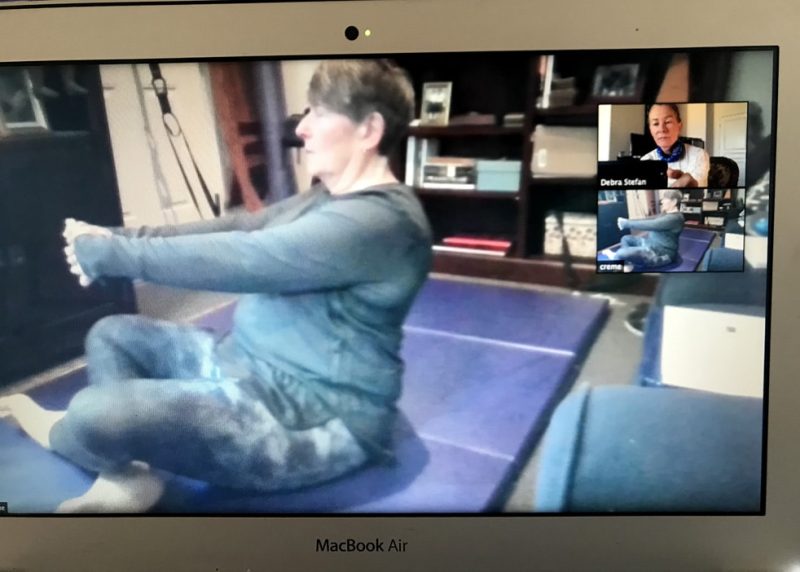
Weight Loss Accountability Coach Contact Debra on Zoom
Weight Loss Accountability Coaching is available via a Zoom link. Here’s how:
- Read and understand the details of weight loss accountability coaching services.
- Schedule an intro call and make your prepaid commitment to accountability coaching.
- Commit to regular weekly coaching meetings via Zoom on your phone or computer.
- Agree to share your weekly weigh-in results in real-time.
- Establish and agree to a meaningful and doable calendar date to attain a satisfactory goal weight.
Even a smartphone will work for your Zoom sessions. Ways to Connect:
A laptop computer has a built-in camera for real-time meetings. You will see your coach on your device screen and be able to FaceTime talk. Demonstrations are easy to view and follow in privacy. Have a private space with enough room around you for movement. Virtual online sessions like this are the ultimate in privacy because it’s just you and your coach.
Weight Loss Accountability Coaching is the next-best option to being at the live-in weight loss camp.
Understandably, some people are unable to travel for premium services at the residential weight loss retreat. When travel is not an option, an internet connection is all you need. Frequent Zoom sessions connect your weight loss accountability coach with you for the motivation and encouragement you need.
How Does Weight Loss Accountability Work?
- Setting a goal of losing 30, 50, or 100 Lbs. in 3–12 months
- One-on-one orientation, including baseline photos and measurements
- Custom routine and smartphone app access to the routine for daily checking-in.
- Food tracking app shared with Debra
- Activity tracking app shared with Debra
- Fitness@LARGE Online Facebook private group
Why postpone your weight loss success any longer? Even if you plan to come to the Live-in Weight Loss Retreat, you can start ahead of time on Zoom. You will never regret your success. Talk to Debra!
You get powerlifting motivation by learning the basic movements, and building confidence through simple steps that feel doable from day one. Registering in a meet creates positive pressure and personal accountability, which strengthens powerlifting motivation. New goals set after a competition can set you up to reach higher achievements.
How Do I Get Powerlifting Motivation?
Powerlifting motivation can come from many places—personal goals, competition energy, longevity, strength milestones, and the personal pride that comes from reaching a new level. After the excitement of a meet, many lifters experience a moment of pause where they ask, “What next?” This is normal, and the transitional phase right after a meet is one of the most important parts of a lifter’s development. Momentum matters. The enthusiasm you feel on the platform can be redirected into your next training cycle with purpose, structure, and clarity.
Take a Recovery Break
Depending on age and years of experience, a lifter may feel the need for a certain amount of time off. Then, the day comes where you know it is time to hit it again.
Recovery does not mean stepping away from movement altogether. It often means shifting training intensity, reducing barbell volume, and allowing the body to mentally recharge. Many lifters find that lighter activities—walking, hiking, biking, sled work, or mobility—provide a refreshing change of pace without losing momentum. This phase also gives lifters a chance to evaluate technique, address weak points, and prepare for the next meet with a renewed mindset.
Read the blog article from Ironside Training
Researching my own query on what to do after a meet, I found the best article on maintaining powerlifting motivation. Personally, I rely on my workouts for a sense of well-being. Taking a barbell break and doing hills on my mountain bike works for me.
Every lifter has a unique approach to staying motivated. For some, it’s the steady rhythm of training sessions. For others, it’s the emotional lift that comes from accomplishing something heavy and meaningful. Many older athletes find that powerlifting gives them a sense of identity and purpose, especially after major life transitions. The training routine becomes a source of stability that anchors their day.
Then there is the lure of the iron. Nearly three weeks after my record-setting high at the USPA World Championship I hit the iron and started back. It is important to have two to three competitions annually for me to feel the urgency for improvement.
Competition gives structure to training. Having a meet on the calendar reinforces accountability, purpose, and direction. Each cycle becomes an opportunity to refine technique, improve conditioning, and build strength steadily. For many lifters, signing up for the next meet—whether three months or six months away—is the turning point that keeps motivation alive. Knowing a platform awaits can fuel daily discipline.
Meanwhile, the newest Vegas Fitness lifter just competed for the first time. Two days later, she is still on a high and can’t wait for the next meet in three months. See her video highlights I call “Go Mom Gold!” You will see her powerlifting motivation is her son who was also competing. Everyone has a reason why they keep lifting.
New lifters often bring incredible enthusiasm. Their first meet experience becomes a fuel source that carries them through the early phases of training. The support from spectators, family, or fellow lifters can make a lasting impact. For many adult and senior lifters, the emotional connection to family is especially powerful. Hearing “Go, Mom!” or seeing children and grandchildren cheer from the audience becomes a lifelong memory. Powerlifting motivation in its simplest form.
“Go, Mom!” Powerlifting Motivation
Click the image for a one-minute video highlighting Robin’s Powerlifting Motivation. We call it “Go, Mom!”

For the full program details, visit the main powerlifting retreat in Las Vegas page and explore more powerlifting resources.
Learn more about powerlifting by your world-class powerlifting coach.
Learn more about powerlifting for seniors.
Learn more about powerlifting for senior women.
If you’re looking for more than motivation and want a structured environment to train in, explore the powerlifting retreat in Las Vegas.
For more articles and success stories, visit the powerlifting resources hub.
A meet creates purpose, structure, and confidence. It provides a clear path with measurable goals, helping older adults stay consistent and engaged in their own strength development.

Powerlifting Competition for Seniors – Tap image for video.
Powerlifting Meet Why Compete? 3 Powerful Senior Benefits
Powerlifting Meet Why Compete? Seniors ask this as they consider entering their first competition. Here are three uplifting reasons: seniors gain confidence, purpose, and strength by stepping onto the powerlifting platform.
Why Compete: What Seniors Gain from the Platform
Competing in a powerlifting meet motivates seniors through structured progression. The commitment encourages steady practice, technique refinement, and personal accountability. This purpose-driven approach strengthens both the body and the mindset that supports independence with age.
What Happens at a First Powerlifting Meet
At a first powerlifting meet, seniors arrive for check-in, gear check, and a simple rules briefing. Each lifter receives a flight assignment and lifting order. Attempts follow a predictable sequence: squat, bench press, and deadlift. Platform staff guide lifters on and off the platform, and judges use clear commands so everyone knows exactly what to do.
This structure keeps the day organized and reduces guesswork. Seniors warm up with familiar weights, review commands, and step out for each attempt with a plan. A powerlifting competition for seniors does not feel like chaos. It feels like a well-organized event designed to help lifters perform safely and confidently.
Between lifts, lifters rest, hydrate, and connect with others who share similar goals. The environment stays supportive, even when attempts feel challenging. The focus stays on safe execution, steady progress, and respect for every lifter who committed to show up.
Powerlifting Competition for Seniors Increases Motivation by Goal Setting
A powerlifting competition for seniors provides structure and direction. Instead of casual or inconsistent training, older adults follow a defined progression that builds confidence through the squat, bench press, and deadlift. The meet becomes a celebration of commitment—an opportunity to express strength gained through consistent effort.
Positive Pressure and the Self-Promise Seniors Make
A powerlifting meet creates the type of positive pressure that keeps seniors consistent. When older adults register for a meet, they make a self-promise. The date on the calendar becomes something they look forward to, something that encourages steady practice and personal accountability. Training shifts from optional to purposeful.
This positive pressure works because it comes from within. Seniors choose the goal, choose the effort, and choose to honor their own word. Every training day reinforces that commitment. They practice commands, refine technique, and show up because they expect more from themselves. Accountability doesn’t come from judges or spectators; it comes from keeping the promise they made when they entered the meet.
For many older lifters, preparing for competition becomes emotional in the best way. It adds structure, meaning, and a deep sense of self-respect to every squat, bench press, and deadlift session. By honoring their self-promise, seniors build strength in both body and character.
How to Get Over Wearing a Singlet
Perhaps the most inhibiting factor when considering a powerlifting competition for seniors is the costume. Wearing a singlet becomes easier once seniors understand the value of competing. Practicing a dress rehearsal at home or during training helps them grow comfortable before stepping onto the platform. Confidence builds as technique sharpens and purpose strengthens.
Benefits That Last Beyond Meet Day
After the meet, the benefits continue. Seniors notice better posture, stronger grip, and more confidence during everyday tasks. Training for powerlifting for seniors carries over into climbing stairs, lifting groceries, and standing up from chairs with control. The experience on the platform stays with them as a reminder of what dedication and consistent effort create.
The meet also sets the stage for future goals. Some seniors choose to return for another competition; others use the experience as a powerful milestone in their fitness journey. Either way, the lessons in discipline, self-respect, and follow-through continue to support healthy aging long after the medals are handed out.
Learn more about powerlifting for seniors.
Explore the Powerlifting Retreat in Las Vegas for supportive coaching and private training sessions.
Posture Correction Exercise
Functional mobility, dynamic balance, and strength benefit from posture correction exercise. Who needs it? You do, if you play a single-sided sport activity such as golf, or your daily life habits dominate on one side.
Baseball and golf – single-side dominate sports
Growing up in a single-side dominated sport such as baseball can create lifelong imbalances in posture and strength. Body posture habits over the years can improve with an assessment and posture correction exercise.
Surprise! Zoom tells us all we need
If you suspect that you have posture or strength imbalances, book a Zoom appointment for assessment. Surprisingly, you will see for yourself once Debra views you on camera. Your mobility and strength routine will follow. Much will improve with a regular routine to address your disparities. Range of motion improves and the look of greater fitness happens even if you haven’t lost weight!
Book a Zoom session for Posture Correction Exercise and get a strength and mobility routine.
“Is Cycling Good for Weight Loss?” First, consider a few factors.
Consequently, if you need to ask, “Is Cycling Good for Weight Loss,” you would be better off on an indoor spin bike. That is unless you have proper bicycle instruction. Falling off a bike is a risk you take when you don’t possess bike handling skills. At Debra Stefan Fitness, we will be evaluating risk versus benefit.
First, you will learn how to ride a bike safely and confidently. What’s more, you will find that outdoor biking is far more enjoyable than indoor exercise. Therefore, if you are biking to lose weight your frequency will increase your weight loss results. However, your efforts must bring you to higher levels of exertion as it gets easier.
So, in answer to your question “Is Cycling Good for Weight Loss?” the answer is that it depends.
F.I.T. Factors in Biking for Weight Loss

“Is Cycling Good for Weight Loss?” Better Stay on the Spin Bike if you can’t handle a bicycle safely.
-
- Frequency- How many times a day or week you are on the bicycle
- Intensity- How hard do you work and are you riding up hills or increasing your speed?
- Time – Duration of your bike ride
Bicycle safety and crash avoidance drills teach you bicycling handling skills. So, you’ll learn the correct way to start and stop on a bike, steering, and maneuvering. Then, we practice steering with one hand while looking over the shoulder to scan for others. Next comes steering with one hand while signaling. Whether you are learning to ride as an adult just starting out, or brushing up on your skills, this practice is essential for bicycle safety.
In summary, learn to ride a bike safely with a qualified cycling instructor. That way, your weight loss journey will progress by minimizing risk and increasing enjoyment. The fun factor will prevail and your frequency increases for maximum fitness and weight loss.
Debra Stefan, League Cycling Instructor
2020 Educator of the Year
League of American Bicyclists

Bike Lessons include Bicycle Classroom, cycling students
Bike Lessons – Do the services include a bike lesson? If so, how much skill do I need to participate?
Bike Lessons include instructional on-bike classes on the road or trail with comprehensive instruction. First, a bicycle handling skills assessment determines the progression and focus of instruction in our private setting in Henderson, Nevada.
Biking will be on asphalt bike paths and trails away from vehicular traffic for the most part.
The Bike Lesson and Rides are available for everyone.
Whether learning to ride a bicycle for the first time as an adult or refreshing skills, you can learn best biking practices. No worries, it is never too late to learn when you start with a knowledgeable bicycle instructor.
What to Expect if you already know basic bike riding,
Rest assured, you will be on a private trail with pavement for the qualifying assessment. Once you show mastery and confidence in handling yourself on the bicycle, a route is optional, depending on your level of skill.
Instruction will vary for those who have ridden before.
First of all, we cover the best Practices in Smart Cycling basic bike lessons:
- Wear visibility clothing
- Wear a helmet (or we provide one)
- What to bring: sunscreen, eye protection
- Bottled water is provided
Then, the on-bike preliminary includes:
- Getting on and off the bike correctly
- Starting and stopping with control
- Hazard avoidance maneuvers
- Countersteering for a quick turn
- Quick stop
- Rules of the road and trail (synopsis)

League of American Bicyclists Instructor of the Year, Debra Stefan
Debra Stefan, League Cycling Instructor, is the 2020 National Educator of the Year for the League of American Bicyclists. See her in your video series when you book this ride. She is your enthusiastic host and guide.
Biking Equipment
Your host will provide a bicycle suitable for your level of instruction during the bike lessons. Road bikes with drop bars and clip-in pedals will not be in use. Single-speed beach cruisers, 26″ Mountain Bikes, and industrial trikes are available at the bike retreat. Your bike lesson includes proper fitting of the best bicycle for your level of training. Should you prefer to bring your favorite bicycle for the bike lesson, we will evaluate it for your needs and advise you.
More Biking Resources
A Powerlifting workshop vs retreat is best differentiated in how they teach the Big 3 lifts. A workshop delivers short, focused technique coaching without daily routines or accommodations. However, a powerlifting retreat delivers private coaching sessions combined with structured habits, whole-food nutrition, skill practice, and consistent reinforcement in a residential setting. Older adults looking for hands-on support with squat, bench press, or deadlift may benefit more from a retreat when they want coaching plus lifestyle structure that improves daily function and confidence.
Powerlifting Workshop vs Retreat: Big 3 Squat Bench Deadlift
For anyone exploring strength training with focused instruction, it helps to understand the difference between a powerlifting workshop and a powerlifting retreat. This explanation applies directly to the Big 3 squat, bench, and deadlift training offered at Vegas Fitness Retreats. Each service is available by appointment only and tailored to the individual.
How a Powerlifting Workshop Works
A powerlifting workshop is ideal for local lifters or visitors who do not require lodging. Workshops focus entirely on technique, movement patterns, bar placement, depth standards, setup mechanics, and correction. The time is dedicated to hands-on coaching of the Big 3 squat, bench, and deadlift with no outside distractions. This format allows you to refine the lifts efficiently while receiving direct feedback throughout each session.
Workshops are short-term and targeted. They are perfect for those who want expert coaching without an overnight stay. Each lifter receives focused attention, pacing that matches their skill level, and instruction tailored to age, mobility, and training experience.
How a Powerlifting Retreat Works
A powerlifting retreat involves a full residential stay with private accommodations. This option provides an immersive environment for adults who want uninterrupted focus on daily routines, training structure, and recovery habits. While powerlifting sessions emphasize the same Big 3 squat, bench, and deadlift instruction, the retreat adds a lifestyle component—consistent routines, outdoor conditioning, and whole-food self-prepared meals under supervision.
Retreat guests work in a private setting with only 2–3 participants at a time. This allows you to progress at your own pace while building confidence and strength in a structured environment. Without the demands of daily life, you gain the space needed to practice discipline, follow a pattern, and train with purpose.
Why Choose a Workshop or Retreat for Big 3 Squat Bench Deadlift Training?

powerlifting workshop vs retreat – both offer semi-private coaching for squat bench deadlift
Whether you attend a workshop or retreat, the Big 3 squat, bench, and deadlift remain the core of strength development. As an Elite International Powerlifter, your host teaches movement efficiency, bracing, bar path, setup, and execution to help you lift safely and effectively. The Big 3 generate total-body strength, bone density, improved metabolism, and measurable progress in a way no machine-based routine can match.
Workshops for Immediate Skill Development
Local lifters often choose workshops for rapid technique improvement. These sessions allow you to strengthen weaknesses, correct habits, and reinforce proper standards. You gain clarity about your form and leave with actionable takeaways for your own training program.

powerlifting workshop vs retreat -barbell training
Comparison: Powerlifting Workshop vs Retreat
Retreats for Structure, Accountability, and Daily Progress
The retreat option expands beyond technique. It supports the lifter with structure, accountability, and the consistency needed to follow through each day. With whole-food supervised self-prep, outdoor activity, and a predictable routine, retreat participants learn discipline that carries over long after they return home. This environment is ideal for people who want a full reset with daily coaching in a quiet private setting.
Which Option Is Right for You?
Choose a powerlifting workshop if you want targeted instruction without an overnight stay.
Choose a powerlifting retreat if you want private accommodations, structured days, outdoor conditioning, supervised whole-food preparation, and daily training in a setting designed for uninterrupted progress.
Review the USAPL educational resources for general information about standards and expectations.
Many guests appreciate that both formats keep the focus on personal readiness, safe progression, and practical skill-building. This approach supports sustainable improvement rather than short-term intensity, helping each lifter move forward with confidence.
This explanation helps you clearly understand the Big 3–focused differences between a powerlifting workshop and a retreat so you can choose the option that best fits your goals and readiness.
Additional Powerlifting Resources
Learn more about powerlifting for seniors.
Review the USAPL educational resources for general information about standards and expectations.
Powerlifting Singlet – Do I have to wear one to compete?
You need a powerlifting singlet to compete because every sanctioned meet requires lifters to wear one so judges can see depth, alignment, and proper positioning.
Powerlifting singlet for competition
Powerlifting singlets are a requirement in all federations holding sport sanctioning. However, casual meets, mock meets, and Senior Games do not require lifters to compete in a powerlifting singlet. As long as clothing allows judges to view proper form, a singlet is not a requirement.
All lifters wear a powerlifting singlet at the official competitions.
Every federation has strict equipment rules, and the powerlifting singlet is one of the first items on the list. These rules prevent lifters from hiding supportive gear, manipulating clothing for leverage, or masking improper movement.
For example, baggy shorts could hide whether a squat reaches depth, and loose tops could hide whether a bench press fully locks out. A well-fitted singlet eliminates these problems entirely.
Because of this, federations require that singlets come from an approved brand list. Buying an approved singlet early helps beginners avoid last-minute stress and ensures they arrive on meet day with confidence, clarity, and no risk of disqualification.
Many beginners worry about wearing a powerlifting singlet because it feels unfamiliar or looks different from typical gym clothing. This reaction is completely normal.
A singlet fits closely so judges can clearly see hip depth, knee tracking, and shoulder lockout during each lift. This transparency ensures fair judging for every competitor.
Once beginners understand the purpose, the singlet becomes less intimidating and more of a standard training tool. Most lifters find that after a few practice sessions, the singlet feels natural and even helpful because it stays in place and never interferes with bar path or movement mechanics.
When shopping for your singlet, consider the options.
While singlets with longer inseams are usually on back order, you can plan ahead to get one. However, be sure that the garment is approved for the sport by the leading federations such as USPA, United States Powerlifting Association. Check the vendor list before you buy.
Another option is material thickness.
Some manufacturers use a slightly thicker fabric which can make a difference for some people. Knowing that your body appears smooth without physique flaws showing, can boost your confidence on the competition platform. So, give yourself every advantage in presenting yourself in the sport of powerlifting.
If you plan to compete in bonafide powerlifting competitions with sport sanctioning, the powerlifting singlet is a requirement.
How to Get Over Wearing a Singlet
New competitors benefit greatly from practicing a few sessions in their powerlifting singlet before meet day. The goal isn’t to train in the singlet every session—it’s simply to remove the novelty.
Practicing in your singlet helps you understand how it feels during the squat setup, how it sits when your back tightens for bench, and how it supports your hip hinge during deadlifts. This familiarity reduces nerves on competition day.
Senior lifters especially appreciate the stable, non-shifting fit because nothing rides up, rolls, or moves during the lifts. Practicing in your singlet also allows your coach to see the same clear visuals the judges will see, improving depth, lockout, and bar path consistency.
A powerlifting singlet becomes part of your competitive identity.
A powerlifting singlet becomes part of your competitive identity. It signals your readiness, your respect for the sport, and your commitment to following the same standards as every other lifter on the platform.
Most beginners are surprised at how empowering it feels to step onto the platform in the required uniform. The singlet removes distractions, keeps the focus on technique, and shows the judges exactly what they need to see.
With an approved singlet, proper fit, and a few practice sessions, any beginner can walk into their first meet feeling prepared, professional, and ready to perform.
Learn more about powerlifting for seniors.
Learn more about powerlifting by your world-class powerlifting coach.

Bicycling can be done as a daily exercise.
How Often Should I Work Out?
How often should I work out? People frequently ask. The best answer to this frequent question is that it depends. However, when doing full-body activities you can get results as fast as you want. Just train for frequency over intensity. In time, you can increase intensity and maintain frequency.
A good example is biking.
Fitness seekers asking, how often should I workout, can perform bicycle training, body weight, and mobility exercises daily. The reason is that there is no risk of overuse because of the variety and multi-muscle function. However, when training with weights muscle recovery brings the best results. Therefore, plan your weight training to allow the muscles to rest and respond.
According to Mayo Clinic, “Diet has a stronger effect on weight loss than physical activity does; physical activity, including exercise, has a stronger effect in preventing weight regain after weight loss.”
Getting an amazing weight loss result early in your program is motivating. However, quick weight loss comes from diet while keeping it off relies on exercise. “Why does exercise matter?” you ask. Developing and maintaining a healthy metabolism by using muscles is key to your success.
However, if a person battling depression asks, how often should I work out? The answer will be daily. Exercise beats the blues and there is science behind the claim.

Outdoor Boot Camp Workouts – Weighted Sled Pull by Woman
Outdoor Personal Training
Debra Stefan Fitness Retreat features outdoor personal training on private property. A scenic mountainside overlooking a luxury golf course is the backdrop for your daily workouts outdoors. Early morning exercise wards off depression through mood elevation under a blue sky.
Outdoor fitness training in a scenic location wins over workouts in a warehouse box gym.
- Premium service value
- Privacy protection
- Unique variety
Therefore, you are paying for access to the location, the unique array of outdoor fitness equipment, and the enthusiastic creativity of the expert trainer.
Limit on participation in outdoor personal training groups.
So, there is none other in the area quite like the outdoor training environment at Debra’s place. Therefore, there is a limit to the small group outdoor personal training capacity. You won’t be in a large group in a public park. Compare a semi-private training rate with our small group and our service over-delivers for the rate hands down. Commit to one session and you will see the difference.
Outdoor Fitness Equipment for Personal Training – Weighted Sled Pull by a Woman
Outdoor Fitness Reminders
Remember your hydration needs during outdoor workouts. Your trainer suggests a water break for every ten to twenty minutes of outdoor activity. Outdoor temperatures and exercise exertion are factors in how often and how much to hydrate. Make sure you drink water to hydrate before the workout, and be sure you don’t wait to be thirsty. Outdoor hydration belts are popular among bootcamp trainers. Since outdoor fitness workouts require hands-free participation, having a water belt on your waist is a handy option.
Movement is lotion to the joints. Sedentary discomforts easily trade off for a sense of newfound abilities and once-forgotten joys. Then there are the blue skies and fresh air. Again, you can’t compare Debra’s outdoor personal training with a warehouse parking lot for quality outdoor fitness.
Outdoor fitness training is seasonal at Debra Stefan Fitness Retreats. As well, not all candidates are eligible for this level of outdoor fitness.

Outdoor fitness class for Jump rope
Outdoor fitness classes are similar to indoor classes in what to wear.
However, your clothes and footwear may be exposed to more sweat and soil in outdoor fitness classes than indoors. Indoor air conditioning and controlled surfaces tend to be more predictable. On the contrary, outdoor elements present functional fitness opportunities. React to uneven terrain, awaken the senses with the sights, sounds, and smells of the outdoors.
So to prepare for outdoor fitness be sure to wear sun protection, eye and hand protection. Such is preparation for outdoor recreation. Balance enhancement happens when you step on a rock, slip on sand, or react to unexpected objects. There is no workout like the one you get in outdoor fitness classes. So dress for success and enjoy your blue skies and fresh air.
Athletic Footwear for Outdoor Fitness Class
Have one pair of well-broken in cross trainers or trail running shoes for training outdoors. Expect them to get dirtier than the ones you wear indoors.
What to Wear for Eye Protection
Wraparound style sunglasses protect the eyes from dust and debris flying into your eyes. Furthermore, goggles are the best protection to seal your eyes from wind. In Southern Nevada we aren’t concerned about flying insects as much as more humid climates. However, if you are near a golf course or water source there could be some flying insects. Nonetheless, your eyes need protection when exercising outdoors.
Hand Protection in Outdoor Fitness Class
Outdoor recreational activities often call for hand protection. Protect the backs of your hands from sun and protect the palms from friction. Battling ropes, rope pulling, handling bootcamp tires and weights can be touch on your palms at first. Some of us prefer to build grip strength once you are no longer an outdoor exercise novice.
Hats, Head Coverings, and Neck Gaiters
As any self-respecting outdoor enthusiast knows, protect your head and neck from the sun and wind. Windburn is just as bad as sunburn. So, cover the neck with a bandana or gaiter and you won’t be sorry. In other words, when you show up for outdoor fitness class be sure to dress for success.
Fitness Day Camp vs. Live-in Fitness Camp for Adults
Fitness day camp options are seasonally available to those in the local area. However, the day camp is not the only service option. Biking outings and senior fitness day camps are often available. Even so, the same application process applies whether you choose the day camp or the live-in camp. Once you decide on your level of commitment, take action!
Fitness day camp dovetails with live-in fitness camp over the first half of the day.
Locals usually need no overnight guest privileges. However, locals can opt for the live-in program simply because they need the full-time commitment in a controlled environment. Understandably, not everyone can make this level of commitment due to many factors. Needless to say, if you can get away from all other responsibilities and influences for total immersion, then opt for the live-in program. Meanwhile, you do have fitness day camp options on a seasonal basis.
Debra Stefan Fitness has been in place since 2008 operating under a non-commercial license.
We will not show up on Google Places due to our privacy protection under a non-commercial license. Rest assured that your privacy is protected while in the residential weight loss program. Therefore, you will never need to worry about people who aren’t in the program dropping in during your stay. Only those who are committed participants are allowed on the premises. In fact, a security guard grants access to those with the host’s authorization. Hence, the actual location address will only be made known to you when you have secured your commitment.
The webpage featuring the fitness day camp is currently unavailable. However, there is some flexibility to make special considerations. Feel free to schedule a phone talk with Debra, (that’s me), to discuss your needs and goals. Please understand that the day camp services are not the same as the live-in weight loss program. However, similarities make it possible for day camp clients to work out with live-in guests.
Behavioral Consultation for Weight Loss

Behavioral Consultation
Behavioral Consultation for weight loss with Dr. Zannah Hackett is an available option. Upon request, you can take an online test before arrival. At the fitness retreat, you can receive a 90-minute remote consultation with an interpretation of your test results. Once you book your stay with Debra at the Live-in Weight Loss Retreat, you can request a link to take the online test for our behavioral counselor. Then, she will focus on evaluating your strengths to aid in your weight loss goals. Most assuredly, the interpretation of your test results will be extremely positive and helpful going forward.
Privacy and Confidentiality
We can schedule weekly talks with Dr. Hackett, AKA “Dr. Zannah,” our Human Behavioral Specialist. So, you can feel free to discuss any matters or issues of personal concern with her in confidentiality. After the program, clients can opt to continue weekly talks with Dr. Zannah to help them with personal issues. Consequently, many weight loss clients have relationship concerns or previous baggage hindering weight loss.
Expert definition: Behavioral consultation is a service in which a professional instructs, guides, and consults. Furthermore, there is good evidence-based and practice support for behavioral consultation in different clinical populations and service settings Excerpt: James K. Luiselli, in Applied Behavior Analysis Advanced Guidebook (Second Edition), 2023
Do you need behavioral consultation for weight loss?
Debra Stefan Fitness offers behavioral consultation for weight loss by Dr. Zannah Hackett, a Human Behavioral Specialist, to the live-in clients during their program at the fitness residence. As Dr. Hackett’s schedule is subject to her availability, Debra will adjust your live-in weight loss schedule to accommodate.
If you ask, “Can I quit smoking?” while at the fitness residence then it is stopping you from optimizing your healthy lifestyle of fitness and nutrition. It is on your mind and holding you back from being your best. “Can I quit smoking” is the question you need to answer for yourself. Should you quit by way of cutting back, there are designated outdoor areas for smoking. Of course, the fitness residence is a smoke-free environment. However, the great outdoors has a built-in filter to whisk away the smoke. Pretty soon, your lungs will rid themselves of stored nicotine and your craving will lessen.
Nightly yoga breathing and guided visualization will aid your smoking cessation. Being on track with a wellness lifestyle can be an empowerment if you can quit smoking.
Thai Yoga Category: This guide is part of the Thai Yoga continuing education series
for yoga teachers and fitness professionals seeking approved CE hours.
Yoga Alliance Continuing Education is the ongoing learning required for Registered Yoga Teachers (RYTs) to maintain their credentials and stay current in safe, effective teaching practices. Every yoga teacher is responsible for completing recognized CE hours to remain listed in good standing with Yoga Alliance. Approved courses expand a teacher’s skills, reinforce safe techniques, and introduce new modalities that support diverse student needs.
What is Yoga Alliance Continuing Education?
Yoga Alliance Continuing Education is the ongoing learning required for Registered Yoga Teachers (RYTs) to maintain their credentials and stay current in safe, effective teaching practices. Every yoga teacher is responsible for completing recognized CE hours to remain listed in good standing with Yoga Alliance. Approved courses expand a teacher’s skills, reinforce safe techniques, and introduce new modalities that support diverse student needs.
Thai Yoga Stretching qualifies as an approved continuing education method when taught by a YACEP (Yoga Alliance Continuing Education Provider). This allows yoga teachers to earn CE hours while learning hands-on assisted stretching skills that improve alignment, mobility, and student support.
Why Yoga Alliance Continuing Education matters
Yoga Alliance requires every RYT to complete CE hours consisting of both teaching experience and formal training. Yoga teachers who ignore continuing education risk losing their registration or appearing outdated in a competitive yoga field. High-quality CE courses build confidence, refresh technical knowledge, and help teachers offer safer and more accessible instruction to their students.
Yoga Alliance Continuing Education helps teachers stay aligned with current standards for anatomy, alignment, ethics, and student safety.
What teachers gain from Yoga Alliance Continuing Education
Yoga teachers who participate in CE programs benefit in several ways:
- Skill expansion: Learn new methods such as Thai Yoga Stretching to support students with mobility limitations.
- Safety reinforcement: Update alignment knowledge and refine hands-on assistance skills.
- Professional credibility: Continuing education strengthens a teacher’s reputation as a committed professional.
- Broader teaching options: CE training allows teachers to add workshops, private sessions, or restorative offerings.
- Compliance with YA standards: CE hours are required for maintaining registration.
These advantages make Yoga Alliance Continuing Education essential for yoga teachers who want to remain competitive and effective.
How Yoga Alliance Continuing Education applies to Thai Yoga Stretching
Thai Yoga Stretching adds a powerful, alignment-based assisted-stretch modality to a yoga teacher’s toolkit. Because the method emphasizes passive postures and practitioner-guided movement—not massage—it does not require a massage license to learn or practice in a yoga-based instructional setting.
Teachers learn leverage-based techniques, safe cueing, partner alignment, and supported movement patterns that improve flexibility for students who cannot stretch effectively on their own. Training through a YACEP ensures the curriculum meets Yoga Alliance standards.
Who benefits from this type of continuing education?
Yoga teachers, personal trainers, movement specialists, and wellness practitioners seeking updated skills or additional credentials all benefit from Yoga Alliance Continuing Education. Teachers who work with older adults, beginners, or limited-mobility students gain valuable tools for safer, more accessible instruction.
Thai Yoga Stretching education is especially helpful for teachers who want to:
- Offer private sessions using assisted stretching
- Improve student alignment without strain
- Support clients with limited mobility
- Enhance restorative and therapeutic sessions
Where yoga teachers can learn more
Yoga Alliance provides a detailed explanation of CE standards here:
Yoga Alliance CE Requirements
For hands-on training or online CE courses, see the full Thai Yoga education overview at the
Thai Yoga archive.
For background on mobility and flexibility science, see this overview from Harvard Health:
https://www.health.harvard.edu/staying-healthy/the-importance-of-stretching

Yoga Alliance Continuing Education
How Yoga Alliance Continuing Education supports long-term teaching success
Yoga Alliance Continuing Education encourages teachers to remain active learners throughout their careers. Continuing education helps instructors stay updated on anatomy, safety standards, and teaching methodologies that evolve over time. This is especially important for teachers who work with beginners, seniors, and limited-mobility students. Consistent education ensures that instructors teach responsibly, adapt their skills, and offer classes that reflect current best practices in yoga instruction. Lifelong learning strengthens confidence and supports safer, more effective student experiences.

Who is the trainer with the most experience? Debra Stefan has five decades.
Learn More About Debra Stefan Fitness Retreats on her YouTube Channel
Your live-in host, Debra Stefan, CFT has over 40 years of professional fitness experience. She will facilitate or oversee all activities during your stay. Debra will be living in residence on a daily basis while you are on the program to provide you with full-time guidance and support. She holds a City of Henderson, Nevada non-commercial business license in addition to a Nevada State Business License (Debra Stefan, LLC) and a Certificate of Good Standing from the Secretary of the State of Nevada. (This is a privately operated, non-commercial business that is not open to the public.) Find out more about Debra and her residential fitness program by clicking here…