

Start a Jump Rope Team!
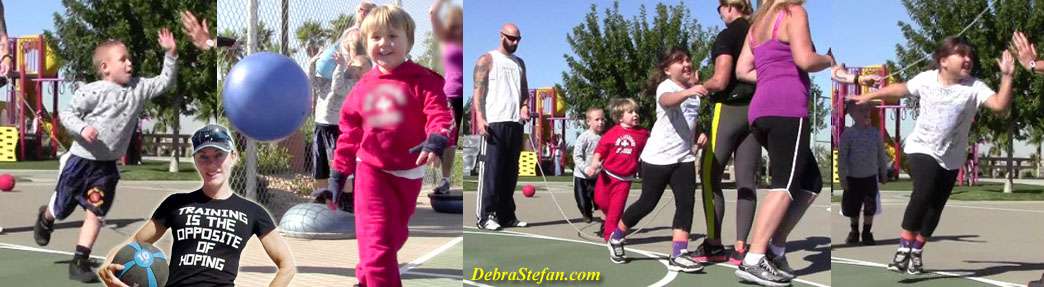
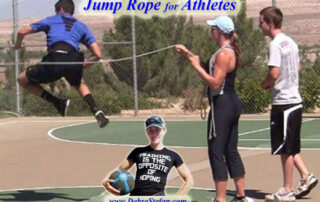
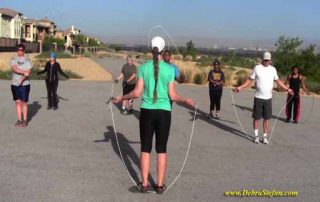
All ages participate in a Jump Rope Club or Jump Rope Team. Not every person needs to jump because turning the jump rope is important for every successful jump rope team.
How to Start A Jump Rope Team
Learning how to start a Jumping for Jesus club requires the same skills as you need to start a jump rope team of any affiliation. When you start a jump rope team, it involves multi-generational group participation. Furthermore, it is a far-reaching community effort. Especially if you learn how to start a Jumping for Jesus club, you will gain a family of enthusiasts.
Benefits of a Jump Rope Team
Even if your team jumpers are school-aged, younger siblings, parents, and grandparents will take part and have influence to some extent. Anyone with an interest can learn how to start a jump rope team. For jumpers of all ages, there are strong motivating factors to belong to a team. Among the top drivers are peer recognition, social interaction, skill mastery, and improved fitness.
Benefits of a Jump Rope Team
Once you learn how to start a jump rope team, the benefits are immediate. Belonging to a jump rope team as an organized group promotes personal accountability, confidence, discipline, leadership, and teamwork. Physical benefits include cardiovascular, agility, balance, hand and foot speed, hand-to-foot coordination, and weight-bearing for bone density—all essentials for sports and human performance.
Jumping for Jesus Club
First, you need a compelling reason, such as a Jumping for Jesus club and church ministry youth outreach program. The beauty of learning how to start a Jumping for Jesus program is that it includes all ages for leadership and participation. Learn more about this for your church community.
What You Need to Start A Jump Rope Team:
Jump Ropes
Qualified Coach
Location
Practice Times
Ways to Promote
Team Identity
Activity Plan
Step 1: Jump Ropes
Use jump ropes of various lengths for your team practices. Short and long jump ropes are necessary for individual and group jumping techniques. The conditioning rope made of white PVC material is the least expensive and most durable essential. Beaded freestyle ropes can be added later when skills and budget warrant them. The second most essential will be long ropes for double Dutch and to accommodate multiple jumpers. Order a spool of 3/8” cloth yacht braid directly from a manufacturer to cut and knot the ends in lengths for pairs of 12’, 14’, 16’, and at least one 36’.
Step 2 Qualified Coach
Designate yourself or another experienced, qualified coach. Identify supportive parents who seek involvement for their children and appoint them as interim officers until the formation of an executive board. The board will be essential for team growth. Choose team captains from each age group based on a role model and leadership abilities.
Step 3: Location
Find a suitable location, such as a school or recreation facility, where you can easily promote your program through the facility channels. Consider a convenient location for your participants in a safe area. Multi-purpose rooms, gyms, sports courts, and recreation rooms can all work well. An ideal surface will have “give” to it, such as a wood floor used for aerobics or basketball. An outdoor sports court offers fresh air and sunshine.
Step 4: Practice Times
Research the best practice times for your target participants. Before or after-school programs attract working parents looking for quality involvement for their latchkey children. Consider a time that does not compete with other popular sports practices. Your team prospects include sports-minded student-athletes striving to improve their performance abilities.
Step 5: Ways to Promote
Create a media kit and compelling press release. Present your program to area schools and PTAs. Schedule workshops and team tryouts at neighborhood recreation centers. At first, you may need to recruit willing audience participants for your demonstrations until your team form. The American Heart Association promotes annual “Jump Rope for Heart” fundraisers, so get involved.
Step 6: Team Identity
Choose a team name, team colors, and logo, and select a uniform. Team uniforms can be a simple pair of soccer-type shorts and a logo T-shirt. Consider a polo-type collared shirt with a button placket of a quality cotton knit that will be durable through wash and wear. Athletic-type shoes fit both practice and performance requirements. Female hairstyles keep hair out of the face, and long hair is secure with elastic and barrettes.
Step 7: Activity Plan
Commit to at least a 9-month schedule of motivating performance opportunities, local parades, school performances, and special events. Hold parent presentations and mock tournaments to give recognition and present awards frequently. The Amateur Athletic Union-AAU and USA Jump Rope regional tournaments are qualifiers for the Junior Olympics and National Championships.
Tips
Expect to develop your team for at least a year before qualifying for regional competitions. Host casual local competitions several times a year and offer skills workshops to recruit new members.
Keep Jump Rope About Jump Rope Safety
Precautions- Gymnastics tends to dominate the jump rope sport nowadays, but a pure style of creative jump rope freestyle can still rank well in competitions. Do not attempt to coach jumpers in gymnastics. However, they can be allowed to incorporate existing skills into jump rope freestyle. Qualify those with gymnastic skills on an individual basis for safety reasons. Otherwise, unqualified students can get hurt.
Summary
Jump rope is a self-improvement tool for both physical and personal growth. From preschoolers needing participation experience to seniors craving social interaction and all athletic endeavors in between, you can make a difference in many lives with a jump rope.
http://www.jumpmovie.com/
http://www.usajumprope.org/
http://www.buyjumpropes.net
Key Concepts
Jump rope team
rope skipping team
jump rope club


Leave A Comment
You must be logged in to post a comment.