

Why Rapid Weight Loss Without Exercise Leads to Weight Regain
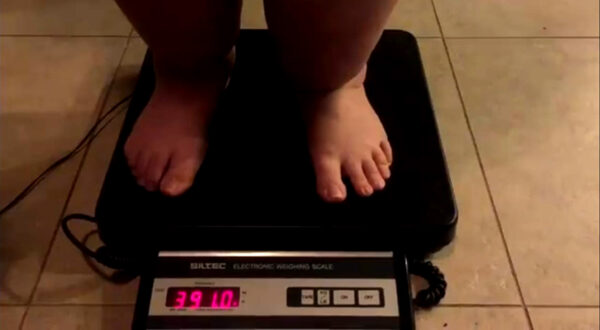
GLP-1 Rapid Weight Loss Without Exercise Leads to Regain
GLP-1 weight loss medications help many people lose weight quickly through appetite reduction and lower calorie intake. However, rapid weight loss without exercise may also contribute to muscle loss, reduced metabolism, physical weakness, and eventual weight regain.
Many individuals focus only on the scale while overlooking what happens to the body during aggressive weight reduction.
Losing weight does not automatically improve strength, mobility, posture, balance, or long-term physical function.
This becomes increasingly important after age 50, 60, and beyond when age-related muscle loss already affects metabolism and mobility.
Muscle Loss Lowers Metabolism
Rapid weight loss without strength activity may reduce lean muscle mass along with body fat.
Loss of muscle mass lowers metabolism and makes long-term weight maintenance more difficult.
Many people become smaller while simultaneously becoming weaker and less physically active.
As metabolism slows, maintaining weight loss often becomes increasingly difficult after the initial rapid reduction phase.
This is one reason many individuals eventually regain weight after aggressive dieting or inactivity.
Weight Loss Alone Does Not Improve Physical Function
Many individuals entering weight loss programs already struggle with:
– stiffness
– poor mobility
– weakness
– low endurance
– balance concerns
– fear of exercise
Without movement and strength activity, these limitations may continue even after substantial weight reduction.
Mobility and strength require continued physical participation.
The body adapts to activity levels over time. Reduced movement often contributes to further physical decline.
Exercise Helps Preserve Muscle Mass
Strength activity helps preserve:
– metabolism
– muscle mass
– mobility
– posture
– balance
– physical independence
This becomes especially important during GLP-1 weight loss when rapid appetite reduction may unintentionally lead to inadequate protein intake and reduced physical activity.
The goal is not simply to become smaller on the scale. The goal is healthier body composition while maintaining physical capability and long-term function.
Weight Regain Often Begins With Loss of Structure
Many individuals repeatedly start and stop weight loss attempts. Hence the term “yo-yo” dieting.
Early success may create temporary motivation, but long-term maintenance usually requires consistency, structure, and continued follow-through.
Without accountability, many people gradually return to:
– inactivity
– inconsistent eating habits
– emotional eating
– poor routines
– reduced movement
Over time, weight regain often follows.
Accountability Improves Long-Term Follow-Through
One of the greatest challenges during weight loss is maintaining consistency long enough to create lasting behavioral change.
Accountability coaching helps support:
– structure
– realistic goals
– progress review
– consistency
– follow-through
– long-term lifestyle habits
This becomes especially important during GLP-1 weight loss programs when rapid scale changes may create the false impression that exercise and physical activity are unnecessary.
Long-Term Weight Loss Requires Behavioral Structure
Many individuals experience initial success with GLP-1 weight loss medications but later struggle maintaining consistency after early progress slows.
Without structure, old habits often return:
– inactivity
– emotional eating
– inconsistent routines
– poor follow-through
– reduced movement
Accountability coaching helps reinforce long-term behavioral change through scheduled progress review, mobility goals, movement accountability, and structured reporting.
This becomes increasingly important after age 50 when maintaining muscle mass, mobility, posture, and physical independence directly affects long-term quality of life.
The Goal Is Long-Term Physical Independence
Many people do not simply want lower body weight. They want greater freedom of movement, improved mobility, better health, and long-term physical independence.
The goal is maintaining strength, metabolism, mobility, confidence, and physical capability while reducing excess body fat.
Long-term success depends not only on losing weight, but on preserving the body’s ability to function well afterward. Read what Mayo Clinic has to say about healthy weight loss and weight maintenance.
Learn more about Accountability Coaching for GLP-1 Weight Loss Programs by Debra Stefan.




Leave A Comment
You must be logged in to post a comment.